What Is an Activated Carbon Filter? In Plain English
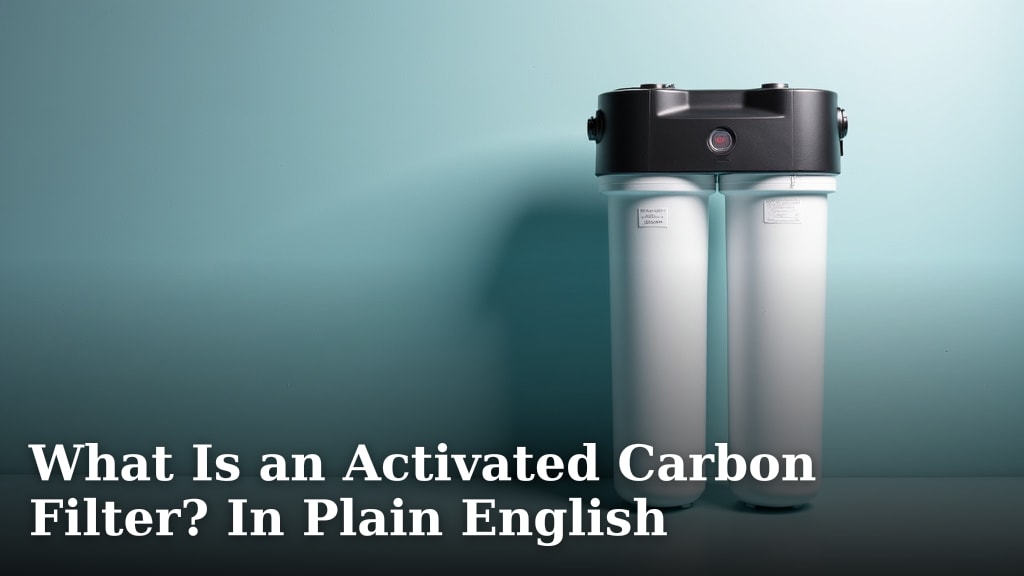
An activated carbon filter is a type of water filter that uses activated carbon to remove impurities. It works by trapping contaminants in the carbon’s tiny pores. This process makes your water taste and smell better by removing things like chlorine and some pesticides. Many homes use these filters for drinking water.
You’ve probably seen them in pitchers or refrigerator dispensers. Activated carbon is made from materials like charcoal or coconut shells. These are heated to create a porous structure with a huge surface area. This surface area is where the magic happens, adsorbing unwanted particles from your water.
- Activated carbon filters remove impurities from water.
- They use a material with a large surface area to trap contaminants.
- Common uses include improving taste and smell of drinking water.
- These filters are found in many household appliances.
We’ve put together a simple guide to help you understand exactly how these filters work and what they can do for your home’s water.
Understanding How Activated Carbon Filters Work
So, you’ve heard about activated carbon filters, but what exactly are they doing to your water? We’ve researched this common household item to give you the clear facts. Think of activated carbon as a super-sponge for your water. It’s not just plain charcoal; it’s been treated to make it incredibly porous. These tiny holes are where the magic happens.
The Science Behind the Sponge: Adsorption
The main way activated carbon filters clean your water is through a process called adsorption. This is a bit different from absorption. Absorption means something soaks into a material, like a sponge soaking up water. Adsorption means contaminants stick to the surface of the activated carbon.
What is Adsorption?
Imagine dust bunnies clinging to a static-charged balloon. That’s similar to adsorption. The surface of the activated carbon has a slight electrical charge. This charge attracts and holds onto certain impurities in the water. The more surface area the carbon has, the more impurities it can catch. It’s like having millions of tiny sticky traps ready to grab unwanted particles.
The Vast Surface Area Explained
How do they make such a huge surface area? It’s all about the manufacturing process. Materials like wood, coal, or coconut shells are heated in a special way. This heating process removes volatile compounds. It leaves behind a carbon structure that is packed with tiny pores. We found that a single gram of activated carbon can have a surface area of over 500 square meters. That’s like the size of a football field in a tiny piece of charcoal!
What Can Activated Carbon Filters Actually Remove?
This is where activated carbon filters really shine for everyday use. They are particularly good at tackling common issues that affect the taste and smell of your tap water. Let’s break down what they target:
Improving Taste and Odor
The most noticeable benefit for many people is better-tasting and better-smelling water. Activated carbon is excellent at removing chlorine. Chlorine is often added to tap water to kill bacteria. While it’s good for disinfection, it can leave a chemical taste and smell. Activated carbon effectively adsorbs chlorine compounds, making your water much more pleasant to drink. Many water quality reports mention chlorine as a common element affecting taste (EPA).
Targeting Organic Contaminants
Beyond chlorine, these filters can also reduce certain organic compounds. This includes things like pesticides and herbicides that might find their way into the water supply. They can also help with volatile organic compounds (VOCs). These are chemicals that evaporate easily. Removing these can be a big plus for your peace of mind. We found that studies often cite activated carbon’s effectiveness against these types of impurities.
What They Might NOT Remove
It’s important to be realistic about what activated carbon filters do. They are not a universal solution for all water problems. For example, they generally do not remove dissolved minerals like calcium and magnesium. This is why they don’t soften your water. They also don’t typically remove very small particles like bacteria or viruses. For those, you’d need filters with smaller pore sizes or other purification methods. It’s also important to know they don’t remove dissolved solids or heavy metals effectively on their own. Many experts suggest that if you have concerns about heavy metals, you should look for filters certified for specific contaminant reduction (National Sanitation Foundation).
Different Types of Activated Carbon Filters
You’ll find activated carbon used in a few different forms in home filtration systems. The way it’s presented affects how it works and where you might use it.
Granular Activated Carbon (GAC) Filters
These are very common. GAC filters contain loose granules of activated carbon. Water flows through the bed of granules. This allows ample contact time for adsorption. You’ll often find GAC filters in pitcher-style water filters and refrigerator water dispensers. They are generally affordable and easy to replace.
Carbon Block Filters
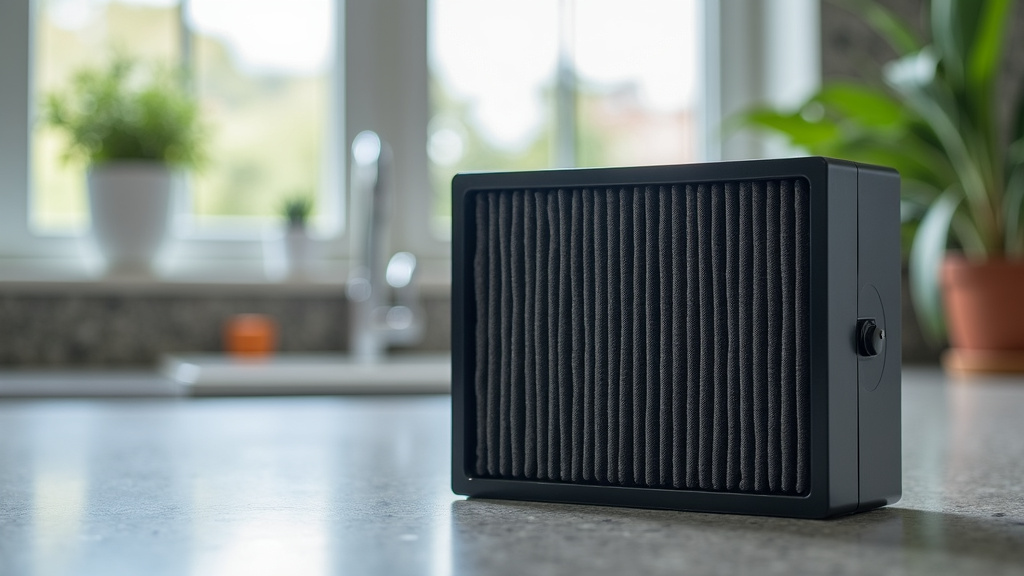
Carbon block filters are made by compressing powdered activated carbon into a solid block. This creates a much denser filter with a more uniform pore structure. Water is forced through this dense block. Carbon blocks often offer finer filtration than GAC. They can capture smaller particles and contaminants. These are frequently used in under-sink systems and whole-house filters. They tend to last longer than GAC filters because they are less prone to channeling.
Carbon Fibers
Sometimes, activated carbon is formed into fibers. These are used in some specialized filters. The fine fibers can offer a very high surface area for adsorption. They are often used where very efficient contaminant removal is needed in a compact space. We found this type is less common in typical home drinking water systems but is used in some industrial or advanced applications.
Where You’ll Find Activated Carbon Filters in Your Home
Activated carbon filters have become a staple in many homes. Their ability to improve water quality makes them a popular choice. Here are some common places you’ll encounter them:
- Water Pitchers: The most popular entry point for many. You fill the top, and the water drips through a carbon filter into the pitcher.
- Refrigerator Dispensers: Many modern fridges have built-in water and ice dispensers that use activated carbon filters.
- Faucet Filters: These attach directly to your kitchen faucet, providing filtered water on demand.
- Under-Sink Systems: More advanced systems install under your sink, often with multiple stages of filtration, including activated carbon.
- Whole-House Filters: These are installed where the main water line enters your home, filtering all water used throughout the house.
Making the Most of Your Activated Carbon Filter
To ensure your activated carbon filter is doing its job effectively, there are a few key things to keep in mind. It’s not a set-it-and-forget-it appliance. Proper care and replacement are essential.
Know Your Filter’s Lifespan
Activated carbon filters have a limited capacity. Once the pores are full of contaminants, they can no longer adsorb new ones. They also lose their effectiveness over time. Most manufacturers provide recommendations for how often to replace the filter. This is usually based on either a time period (like every 6 months) or a volume of water filtered (like 100 gallons). Exceeding these limits means you’re not getting filtered water anymore.
Replacement is Key
So, what happens if you don’t replace the filter? The filter can become saturated. This means it stops working. In some cases, a saturated filter might even start to release trapped contaminants back into the water. That’s definitely not what you want! We found that many sources, like the CDC, recommend following manufacturer guidelines for filter replacement to ensure water safety.
Consider What You Need Filtered
Before you buy, think about your water. Do you just want better-tasting drinking water? Or are you concerned about specific contaminants? While activated carbon is great for chlorine and taste, it might not be enough for things like lead or bacteria. You might need a multi-stage filter or a different type of purification system.
A Quick Checklist for Your Filter
To help you remember the important points about activated carbon filters, here’s a simple checklist:
- Check the Replacement Schedule: Always know when your filter is due for a change.
- Look for Certifications: If you need specific contaminants removed, check for NSF certifications.
- Understand Limitations: Remember activated carbon isn’t a cure-all for water problems.
- Proper Installation: Make sure your filter is installed correctly for optimal performance.
- Monitor Water Quality: If you have serious concerns, get your water tested periodically.
Conclusion
You’ve learned that activated carbon filters are a straightforward way to improve your drinking water. They work by trapping impurities like chlorine and certain organic compounds on their massive surface area. While they excel at enhancing taste and smell, remember they have limitations. They won’t remove dissolved minerals or all microscopic contaminants on their own. To get the most from your filter, always follow the manufacturer’s replacement schedule. Consider your specific water needs to choose the right filter type for your home.
Frequently Asked Questions
How often do I need to replace an activated carbon filter?
Most manufacturers recommend replacing your activated carbon filter based on either a time frame (like every 6 months) or a certain volume of water filtered. It’s important to check your filter’s manual. Exceeding these recommendations means your filter will stop working effectively.
Can activated carbon filters remove lead from my water?
Generally, standard activated carbon filters are not designed to effectively remove lead. While some specialized carbon filters can reduce lead, you should look for filters that are certified specifically for lead reduction by organizations like NSF. Always check the product’s specifications.
Will an activated carbon filter make my water “soft”?
No, activated carbon filters do not typically soften water. They don’t remove the dissolved minerals like calcium and magnesium that cause hardness. If you need to soften your water, you’ll need a different type of filtration system, like an ion-exchange water softener.
What’s the difference between granular and block activated carbon filters?
Granular activated carbon (GAC) filters have loose granules, while carbon block filters are made by compressing powdered carbon into a solid block. Carbon blocks tend to offer finer filtration and can capture smaller particles than GAC filters, often lasting longer.
Are activated carbon filters safe for removing bacteria and viruses?
Activated carbon filters are not generally effective at removing bacteria or viruses. Their porous structure is designed to trap larger molecules and chemicals. For removing microbes, you would typically need filters with much smaller pore sizes or other purification methods like UV treatment.