What Is an Electrostatic Filter? How It Works
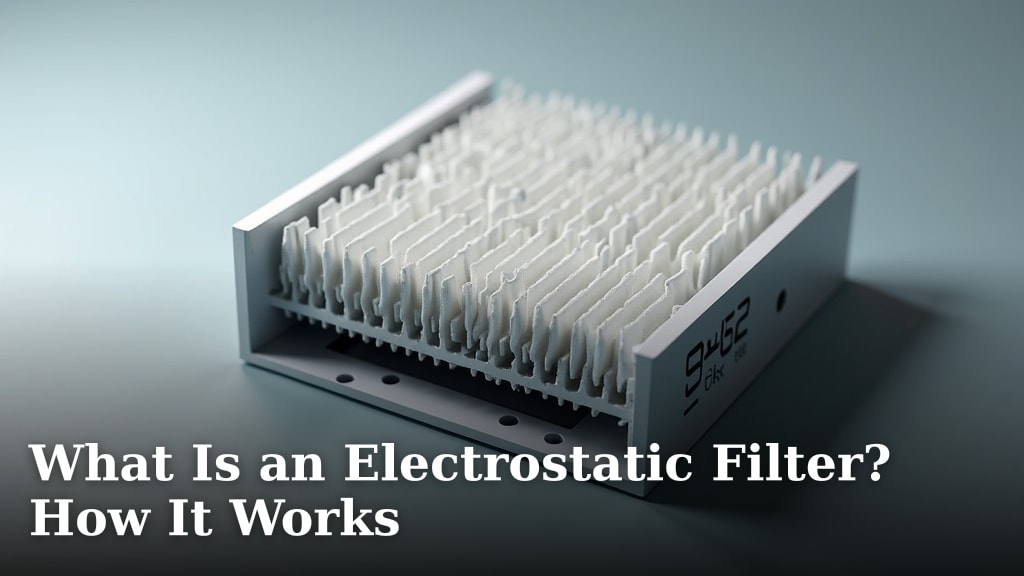
An electrostatic filter is a type of air purifier that uses an An electrostatic filter is a type of air purifier that uses an electric charge.electric charge to capture airborne particles. It works by giving particles an electrical charge as they enter the filter. Then, oppositely charged plates attract and hold these particles. This makes it effective at removing dust, pollen, and even tiny smoke particles from your air.
Many homeowners wonder about their effectiveness. We found that these filters are a popular choice because they can trap very small particles that other filters might miss. Unlike disposable filters, electrostatic filters often use washable collection plates. This can make them a long-term, cost-effective solution for cleaner indoor air. It’s a clever way to keep your air fresh without constant replacements.
- Electrostatic filters use electricity to clean air. Electrostatic filters use electricity to clean air, functioning as a type of air purifier.
- They give particles an electric charge.
- Charged particles stick to oppositely charged plates.
- This method captures tiny particles like dust and pollen.
- Many are washable, saving money over time.
Let’s walk through exactly how this works step by step, so you can see if it’s the right fit for your home.
Understanding How Electrostatic Air Filters Work
You’re likely here because you want cleaner air in your home. You’ve heard about electrostatic filters and wonder if they live up to the hype. We’ve looked into it, and essentially, these filters use a bit of static electricity to catch tiny particles. It’s a clever method that can make a real difference in your indoor air quality.
The Science Behind the Spark: Charging Air Particles
Imagine tiny dust motes floating around. They don’t have much of a charge on their own. An electrostatic filter changes that right as the air enters. It uses a special mechanism to give these passing particles a positive electrical charge. This is the first key step in how the magic happens.
The Ionization Process
How does it give them a charge? Usually, there are a series of wires or small points that carry a high voltage. As air passes over these, it creates ions. These ions then bump into the particles in the air, like dust and pollen. This collision transfers the charge, making the particles electrically positive.
Attracting the Charged Particles: The Collection Plates
Once the particles are charged, they become easy targets. The filter has another set of plates designed to attract them. These plates are given an opposite electrical charge, usually negative. Think of it like a magnet attracting tiny metal filings. The positively charged particles are drawn to the negatively charged plates.
How the Plates Capture Grime
As air flows through the filter, the charged particles are pulled out of the airflow. They stick firmly to the collection plates. This prevents them from continuing through the filter and back into your room. The plates act like a sticky trap for these airborne irritants. This process is quite effective at removing even very fine particles.
Particle Size Matters
Electrostatic filters excel at capturing small particles. We found that they can catch particles as small as 0.1 microns. For comparison, a human hair is about 50-100 microns wide. This means they can trap things like fine dust, smoke particles, pet dander, and pollen. These are often the things that bother allergy sufferers the most.
Why Choose an Electrostatic Filter? Benefits and Considerations
So, why might you consider one of these filters? They offer some distinct advantages that many homeowners appreciate. Let’s break down what makes them stand out. We’ve found that they can be a great long-term air cleaning solution.
Cost Savings Over Time
One of the biggest draws is that many electrostatic filters are washable and reusable. Unlike traditional disposable filters that you have to buy again and again, you can simply clean the collection plates. This can lead to significant cost savings over the lifespan of the unit. You avoid the ongoing expense of replacement filters.
Environmental Friendliness
Because you don’t constantly throw away disposable filters, electrostatic options are generally considered more environmentally friendly. Less waste going to landfills is always a good thing. This aspect appeals to many people looking to reduce their carbon footprint.
Effectiveness Against Tiny Particles
As we mentioned, their ability to capture very small particles is a major plus. For those dealing with allergies or asthma, breathing in cleaner air can make a big difference. Studies have shown that HEPA filters are highly effective, but electrostatic filters can also capture a wide range of airborne irritants at a similar efficiency for certain particle sizes (American Lung Association).
A Note on Ozone Production
It’s important to be aware that some older or less well-designed electrostatic filters can produce small amounts of ozone. Ozone is a gas that can irritate the lungs. Reputable manufacturers are aware of this. They design their filters to minimize or eliminate ozone production. Always look for filters certified by organizations like Energy Star or ETL, which often have standards for ozone emissions. We found that newer models are generally much better in this regard.
Maintaining Your Electrostatic Filter for Peak Performance
To get the most out of your electrostatic filter, regular maintenance is key. It’s not a set-it-and-forget-it device. Keeping it clean ensures it works efficiently and effectively. Here’s a quick look at what’s involved.
Regular Cleaning Schedule
You’ll need to clean the collection plates periodically. How often depends on your air quality and how much you run the filter. For many homes, cleaning every 2-4 weeks is a good starting point. You’ll usually notice a drop in performance when the plates get too full.
Simple Cleaning Steps
Typically, cleaning involves removing the collection plates and washing them. Often, warm soapy water is all you need. Some might require a bit more scrubbing. Always follow the manufacturer’s instructions to avoid damaging the plates. Ensure they are completely dry before putting them back.
Checking Other Components
While cleaning the plates, it’s a good idea to check other parts of the filter. Look at the pre-filters or any other components. Make sure they are clean and in good condition. Some units may have electrical contacts that also need to be kept clean for proper operation.
Comparing Electrostatic Filters to Other Types
You might be wondering how electrostatic filters stack up against other common air filter types. It helps to see the differences side-by-side. This way, you can make the best choice for your needs.
| Filter Type | How It Works | Pros | Cons |
|---|---|---|---|
| Electrostatic | Uses electric charge to capture particles. | Washable, cost-effective long-term, captures fine particles. | Potential for ozone production (in older models), requires regular cleaning. |
| HEPA | Physically traps particles in a dense mesh. | Highly effective for very small particles, no ozone. | Disposable filters need frequent replacement, can be costly. |
| Activated Carbon | Adsorbs gases, odors, and VOCs. | Excellent for smells and chemical fumes. | Doesn’t capture particles well, needs replacement. |
| Ionic Purifiers | Release ions to charge particles, which then settle. | No filters to replace, captures small particles. | Can produce ozone, particles settle on surfaces, not always captured by the device. |
Is an Electrostatic Filter the Right Choice for You?
Deciding on the best air filter comes down to your specific needs. If you’re looking for a way to reduce ongoing costs and capture a wide range of particles, an electrostatic filter is worth considering. They offer a good balance of performance and economy for many households.
Here’s a quick checklist to help you think it over:
- Do you want to save money on replacement filters over time?
- Are you concerned about capturing very fine dust, pollen, and smoke?
- Are you willing to commit to regular cleaning of the filter components?
- Is minimizing waste an important factor for you?
- Do you want a filter that can improve air quality for allergies?
- Are you comfortable with technology that uses electrical charges?
Conclusion
You’ve learned how electrostatic filters use a clever electrical charge to capture dust, pollen, and smoke. They offer a cost-effective way to maintain cleaner air, especially since many models are washable. While they require regular cleaning, the savings on replacement filters and reduced waste can be substantial. If you’re looking for an efficient, long-term solution for common airborne irritants and are willing to do a little upkeep, an electrostatic filter is a great choice for your home’s air quality. Consider checking manufacturer certifications for ozone production before making your purchase.
Frequently Asked Questions
How often do I need to clean an electrostatic filter?
You should aim to clean the collection plates every 2 to 4 weeks. This frequency can vary based on your home’s air quality and how often you run the air purifier. Regular cleaning ensures the filter maintains its effectiveness.
Can electrostatic filters produce ozone?
Some electrostatic filters, especially older models, can produce small amounts of ozone. Reputable manufacturers design newer filters to minimize or eliminate ozone production. Look for certifications like Energy Star or ETL, which often indicate lower ozone emissions.
Are electrostatic filters better than HEPA filters?
They serve different strengths. Electrostatic filters are great for capturing fine particles and are washable, saving money. HEPA filters physically trap particles and don’t produce ozone, but their filters need frequent replacement. The best choice depends on your priorities.
What kind of maintenance is required for an electrostatic filter?
The main maintenance task is regularly cleaning the collection plates, usually with warm, soapy water. You should also check and clean any pre-filters or other components according to the manufacturer’s instructions to ensure optimal performance.
Can electrostatic filters capture odors and gases?
Generally, electrostatic filters are designed to capture particulate matter like dust and pollen. They are not as effective at removing odors, gases, or Volatile Organic Compounds (VOCs). For those issues, a filter with an activated carbon component is usually recommended.