What Is a Charcoal Filter in an Air Purifier?
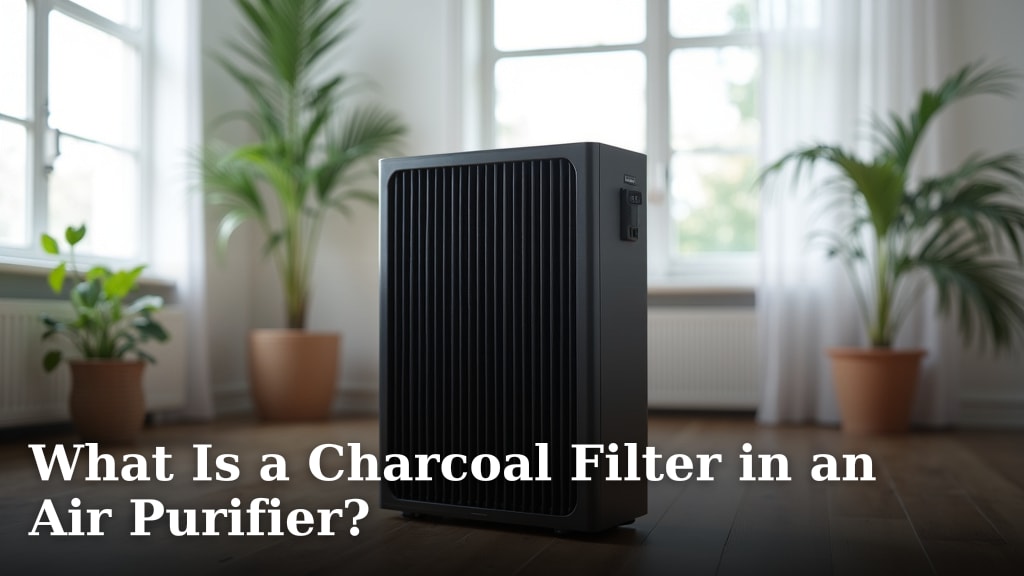
A charcoal filter in an air purifier is a layer of activated carbon designed to absorb odors and gases. Think of it like a sponge for smells and chemicals. It traps tiny airborne particles that other filters might miss, helping to clean your air.
These filters are a key component in many air purification systems. They work alongside other filter types, like HEPA filters, to provide a more complete air cleaning solution. Many experts agree that activated carbon is highly effective at removing volatile organic compounds (VOCs) and other common household smells.
- Charcoal filters use activated carbon.
- They are great for removing odors.
- They also help with gases and chemicals.
- They work with other filters for better cleaning. To understand how charcoal filters fit into the bigger picture, learn about the difference between an air purifier vs air cleaner.
Let’s walk through exactly how these useful filters work and what they can do for your home.
How Activated Carbon Cleans Your Air
You might be wondering how that simple-looking charcoal material actually cleans your air. It’s a fascinating process that relies on a scientific principle called adsorption. Think of it like a super-sticky surface for gases and odors. Activated carbon has a unique structure that makes it incredibly effective at capturing these airborne nuisances.
What Makes Charcoal “Activated”?
The “activated” part is key here. Regular charcoal isn’t as effective. For air purifiers, we use activated carbon, which is treated with oxygen. This treatment creates millions of tiny pores and crevices within the carbon material. These pores dramatically increase the surface area. This vast surface area is where the magic happens.
The Power of Surface Area
Imagine a single small piece of activated carbon. Its internal structure is like a microscopic sponge with an enormous amount of space to trap things. One gram of activated carbon can have a surface area equivalent to a football field! This massive surface area allows it to capture a wide range of airborne molecules, especially gases and odors that other filters can’t handle.
The Adsorption Process Explained
When air passes through the charcoal filter in your air purifier, gases and odor molecules come into contact with these tiny pores. The pores are designed to attract and hold onto these molecules. This is adsorption, not absorption. Absorption is like soaking up water into a sponge. Adsorption is when molecules stick to the surface of the filter material. The activated carbon acts like a magnet for unwanted airborne chemicals and smells.
What Does It Capture?
Charcoal filters are particularly good at trapping gases that cause odors. This includes things like smoke, pet smells, cooking fumes, and even musty basement odors. They also capture volatile organic compounds (VOCs). VOCs are chemicals released from common household products like paints, cleaners, and air fresheners. Many experts recommend activated carbon filters for reducing exposure to these everyday chemicals (Environmental Protection Agency).
Where Charcoal Filters Fit in Your Air Purifier
An air purifier usually has multiple stages of filtration. The charcoal filter is one important layer in this system. It works hand-in-hand with other types of filters to give you the cleanest air possible. Understanding its place helps you appreciate its role fully.
The Filtration Sandwich: Layer by Layer
Most quality air purifiers use a combination of filters. You’ll typically find a pre-filter, a HEPA filter, and then the activated carbon filter. Sometimes, the carbon filter is combined with the HEPA filter, or it might be a separate layer. Each layer has a specific job.
- Pre-filter: This catches larger particles like dust bunnies, pet hair, and lint. It protects the other filters from getting clogged too quickly.
- HEPA Filter: This is the powerhouse for tiny particles. It captures 99.97% of particles 0.3 microns in size. Think pollen, mold spores, dust mites, and bacteria.
- Activated Carbon Filter: This layer tackles what the HEPA filter misses – gases, odors, and VOCs.
Why Two (or Three) Filters Are Better Than One
A HEPA filter is excellent for particles, but it doesn’t do much for smells or gases. That’s where the charcoal filter shines. By combining them, you get a more complete purification system. It’s like having a team of specialists working together to clean your air.
Targeting Different Air Pollutants
Particle pollution and gas/odor pollution are different issues. They require different solutions. Your air purifier is designed to address both. The HEPA filter handles the particles. The activated carbon filter handles the gaseous pollutants and odors. This layered approach ensures you’re breathing air that’s free from a wider range of contaminants.
What Your Charcoal Filter Can and Cannot Do
It’s important to have realistic expectations about what an activated carbon filter can achieve. While they are highly effective for certain types of pollution, they have limitations. Knowing these helps you choose the right air purifier for your needs.
What Activated Carbon Excels At:
- Odor Removal: This is its superpower. From pet odors to cooking smells, it neutralizes many common household smells.
- VOC Reduction: It can adsorb harmful chemicals like formaldehyde and benzene found in household products. Research has shown activated carbon’s effectiveness in reducing VOC levels in indoor air (National Institute of Environmental Health Sciences).
- Smoke Odors: It’s very good at clearing the lingering smells from cigarette smoke or wildfire smoke.
- Chemical Fumes: It can help reduce the smell of cleaning products or new furniture off-gassing.
What Activated Carbon Is NOT Designed For:
Activated carbon filters are not built to remove tiny solid particles from the air. That job belongs to the HEPA filter. While some gas molecules might be large enough to get trapped, their primary function is gas and odor adsorption. They won’t capture dust, pollen, or pet dander effectively on their own. You still need that HEPA filter for the particle removal part of air purification.
Choosing an Air Purifier with the Right Carbon Filter
Not all charcoal filters are created equal. The amount and type of activated carbon used can make a big difference in how well your air purifier performs. Here’s what to look for:
The Importance of Carbon Amount and Quality
A thin, flimsy layer of carbon won’t do much. For effective odor and gas removal, you want an air purifier with a substantial amount of activated carbon. Look for models that specify the weight or thickness of their carbon filter. More carbon generally means longer-lasting odor control.
Types of Activated Carbon
Activated carbon can be made from various sources, like coconut shells, wood, or coal. Coconut shell carbon is often preferred for air purification because it has a highly porous structure suitable for adsorbing gases. Some filters also use “impregnated” carbon, which has added materials to target specific pollutants like formaldehyde or ammonia. These can offer enhanced performance for certain air quality issues.
Filter Lifespan and Replacement
Activated carbon filters eventually become saturated. Once their adsorption capacity is full, they can no longer trap odors or gases. The lifespan of a carbon filter varies depending on the air quality in your home and how often you run the purifier. A general guideline is to replace them every 6-12 months. Check your air purifier’s manual for specific recommendations.
Here’s a quick checklist to help you understand charcoal filters:
- Activated Carbon: The magic ingredient for odors and gases.
- Adsorption: How it traps molecules on its surface.
- Large Surface Area: Millions of tiny pores for maximum capture.
- Works with HEPA: Pairs up to tackle particles AND gases.
- Limited Lifespan: Needs replacement to stay effective.
- Amount Matters: More carbon generally means better performance.
Conclusion
You’ve learned that a charcoal filter is your air purifier’s specialist for tackling odors and gases. Its activated carbon, with its massive surface area, acts like a molecular sponge. This filter works alongside HEPA filters to capture both particles and invisible airborne chemicals. Remember, its effectiveness depends on the amount of carbon and regular replacement. To truly improve your indoor air quality, look for air purifiers with substantial carbon filters and plan to swap them out as recommended. This simple step ensures your air stays fresh and clean day after day.
Frequently Asked Questions
How often should I replace my charcoal air filter?
Most manufacturers recommend replacing your charcoal filter every 6 to 12 months. This timeframe can vary based on your home’s air quality and how often you run your air purifier. Always check your appliance’s manual for specific guidance.
Can a charcoal filter remove all smells?
Charcoal filters are excellent at removing many common household odors like pet smells, cooking fumes, and smoke. However, they may not be able to completely eliminate very strong or persistent odors. The amount and quality of the activated carbon play a big role in their effectiveness.
Will a charcoal filter help with allergies?
A charcoal filter’s main job is to remove gases, odors, and VOCs. It does not directly target common allergy triggers like pollen, dust mites, or pet dander. For allergy relief, you’ll need an air purifier with a HEPA filter, which is designed for capturing small particles.
What is the difference between activated carbon and regular charcoal?
Activated carbon is treated with oxygen to create millions of tiny pores. This process dramatically increases its surface area, making it much more effective at adsorbing gases and odors compared to regular charcoal. Think of activated carbon as super-charged charcoal.
Can I wash my charcoal air filter?
Generally, you cannot wash or clean a charcoal filter to restore its effectiveness. The activated carbon becomes saturated with trapped molecules over time. Washing it won’t remove these trapped substances. Replacement is the only way to ensure continued odor and gas removal.