What Is PM2.5? Fine Particle Pollution Explained
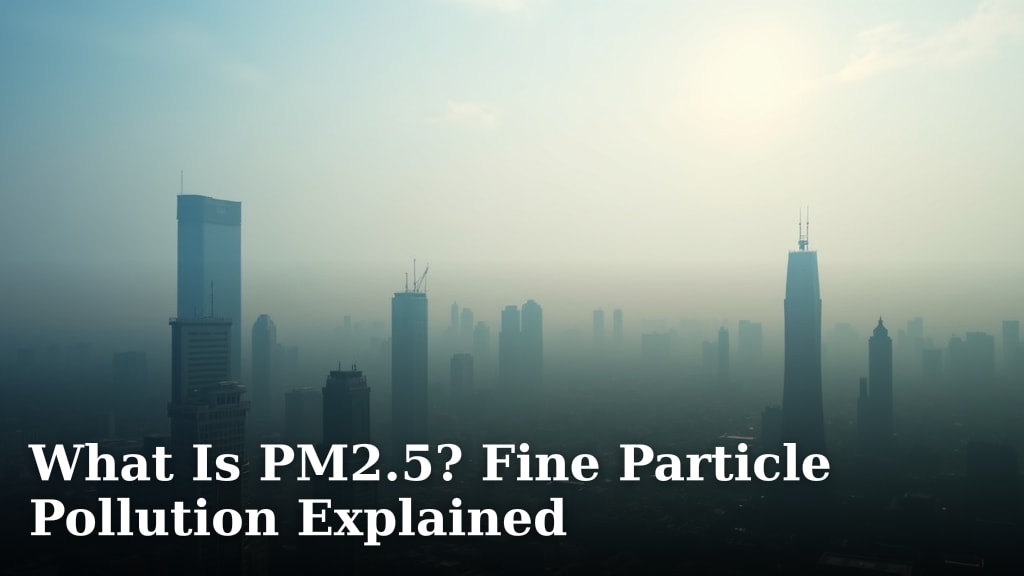
PM2.5 refers to fine particulate matter that is 2.5 micrometers or smaller in diameter. These tiny particles are small enough to be inhaled deep into your lungs. They come from things like burning fuel, industrial processes, and even natural events. Understanding PM2.5 is key to protecting your respiratory health.
These particles are a major part of air pollution. Because they are so small, they can easily travel long distances. This means air quality in one area can affect another. Exposure to PM2.5 can lead to various health issues, making it a public health concern. Many researchers are studying its effects.
- PM2.5 are tiny particles, 2.5 micrometers or less.
- They come from pollution sources like cars and factories.
- These particles can enter your lungs and bloodstream.
- They are linked to breathing problems and other health issues.
- Monitoring PM2.5 levels helps protect your health.
Let’s walk through exactly what PM2.5 is, where it comes from, and what it means for your well-being. We’ve gathered the essential information to help you understand this common air pollutant.
You’ve heard the term PM2.5 thrown around, especially when discussing air quality reports. But what exactly is it, and why should you care? This section will break down this common air pollutant so you can understand its impact on your health.
Understanding Fine Particle Pollution: What PM2.5 Means
PM2.5 is a measurement of very tiny particles found in the air. The “2.5” refers to the size of these particles. They are 2.5 micrometers or smaller in diameter. To give you an idea, a human hair is about 50 to 70 micrometers wide. So, these PM2.5 particles are incredibly small. They are so small they can easily get into your lungs.
These particles are a major component of air pollution. They are sometimes called “fine particles.” Because they are so tiny, they can travel long distances on the wind. This means air quality in one location can affect areas far away. Many scientists study these particles to understand their effects on our bodies and the environment (EPA).
The Science Behind the Size: Why 2.5 Micrometers Matters
The size of PM2.5 is what makes it so concerning for your health. Think of your respiratory system like a branching tree. The larger airways are like the main trunk, and the smaller airways are like the tiniest twigs. PM2.5 particles are small enough to travel past the larger airways. They can reach the deepest parts of your lungs. These are the areas where oxygen exchange happens.
Once these particles reach the deepest parts of your lungs, they can cause problems. They can cause inflammation and irritation. In some cases, these tiny particles can even enter your bloodstream. This is where they can potentially affect other organs in your body. The National Institute of Environmental Health Sciences highlights this risk.
Where Do These Tiny Particles Come From?
PM2.5 comes from a variety of sources, both human-made and natural. Understanding these sources helps us see why they are so common in the air we breathe. They are a result of various processes that occur every day.
Combustion Sources: Everyday Activities
Many everyday activities produce PM2.5. Burning fuel is a big one. This includes the exhaust from cars, trucks, and buses. It also comes from burning wood in fireplaces or wood stoves. Power plants that burn fossil fuels to generate electricity are another major source. Even cooking, especially frying or broiling food, can release fine particles into your kitchen air.
Industrial and Commercial Processes
Factories and industrial operations often release PM2.5. Manufacturing processes, mining, and construction sites can all contribute. Activities like crushing rocks, grinding materials, or burning fuels in industrial boilers release these fine particles. These sources can be significant contributors to air pollution in certain areas.
Natural Sources of Fine Particles
It’s not just human activity. Nature also produces PM2.5. Wildfires are a major natural source, releasing large amounts of smoke containing fine particles. Volcanic eruptions can also put fine ash into the atmosphere. Dust storms, sea salt, and even pollen can contribute to the overall PM2.5 count in the air.
What Happens When You Breathe In PM2.5? Your Health Impact
Breathing in PM2.5 can have immediate and long-term effects on your health. The severity often depends on how much you are exposed to, for how long, and your own individual health conditions. It’s a serious concern for public health worldwide.
Short-Term Health Effects: Immediate Reactions
When PM2.5 levels are high, you might notice some immediate effects. You might experience irritation in your eyes, nose, or throat. Some people find they start coughing or have trouble breathing. For individuals with existing lung conditions like asthma, PM2.5 can trigger asthma attacks. It can also worsen symptoms for those with chronic bronchitis or emphysema. The Cleveland Clinic notes these can be common immediate reactions.
Long-Term Health Concerns: Chronic Exposure
Repeated exposure to PM2.5 over months or years can lead to more serious health problems. Research has linked long-term exposure to the development of chronic respiratory diseases. It can also contribute to heart problems. Studies published in journals like the New England Journal of Medicine have shown connections between PM2.5 exposure and increased risk of heart attacks and strokes. It can also affect lung development in children.
Impact on Vulnerable Groups
Certain groups of people are more susceptible to the harmful effects of PM2.5. Children, the elderly, and people with pre-existing heart or lung conditions are at higher risk. Pregnant women may also face increased risks. Their bodies are working hard, making them more sensitive to environmental stressors.
The Bigger Picture: PM2.5 and Your Body
Think of your body like a sophisticated system that relies on clean air for optimal function. When PM2.5 pollutes this air, it’s like introducing tiny, irritating grains of sand into a delicate machine. Your lungs, which are designed for smooth oxygen transfer, have to work harder to filter these particles. This extra effort can lead to wear and tear over time.
When PM2.5 particles enter your bloodstream, they can contribute to inflammation throughout your body. This inflammation is a key factor in many chronic diseases. It’s why these tiny particles are linked to such a wide range of health issues, from respiratory problems to cardiovascular disease. The U.S. Environmental Protection Agency (EPA) emphasizes this connection.
How PM2.5 Levels Are Measured and Reported
To manage and understand air quality, PM2.5 levels are constantly monitored. This helps public health officials alert people when air quality is poor. Knowing these levels can help you make decisions about your daily activities.
The Air Quality Index (AQI)
You’ve probably seen the Air Quality Index, or AQI, reported on weather apps or news. The AQI is a number that tells you how clean or polluted your air is. It covers several common air pollutants, and PM2.5 is one of the most important. The AQI is broken down into categories like “Good,” “Moderate,” “Unhealthy for Sensitive Groups,” “Unhealthy,” “Very Unhealthy,” and “Hazardous.”
When the AQI reports a high number for PM2.5, it means there are a lot of fine particles in the air. This is when you might want to take extra precautions. For example, if the AQI is in the “Unhealthy for Sensitive Groups” range, people with lung diseases like asthma might want to limit their outdoor activity.
Understanding Your Local Air Quality Reports
Many local air quality agencies provide real-time or daily reports. These reports often include PM2.5 levels specifically. Looking at these can help you plan your day. If PM2.5 is high, you might decide to exercise indoors or postpone outdoor chores. This simple step can make a difference in your exposure.

A Quick Checklist for Managing PM2.5 Exposure
Taking steps to reduce your exposure to PM2.5 is wise, especially during periods of poor air quality. Here’s a simple checklist to help you stay informed and protected:
- Check your local Air Quality Index (AQI) daily.
- Limit strenuous outdoor activities when AQI is unhealthy.
- Keep windows and doors closed on high pollution days.
- Consider using an air purifier with a HEPA filter indoors.
- Avoid burning wood or trash, especially on poor air quality days.
- If you have respiratory conditions, follow your doctor’s advice.
Conclusion
You’ve learned that PM2.5 are tiny particles in the air. They can easily enter your lungs and even your bloodstream. Understanding where they come from, like car exhaust and wildfires, helps you grasp their impact. These fine particles can affect your breathing and heart health. By checking your local Air Quality Index and taking simple steps, you can protect yourself and your family. Stay informed about the air you breathe to make healthier choices every day.
Frequently Asked Questions
What is the difference between PM2.5 and PM10?
PM2.5 are fine particles 2.5 micrometers or smaller. PM10 particles are larger, up to 10 micrometers. Because PM2.5 are so small, they can penetrate deeper into your lungs and bloodstream.
Can indoor air purifiers really help with PM2.5?
Yes, air purifiers with HEPA filters are effective at capturing PM2.5 particles. They can significantly improve your indoor air quality by removing these fine pollutants from the air in your home.
Are children more at risk from PM2.5 pollution?
Yes, children are at higher risk. Their lungs are still developing, and they breathe more air per pound of body weight than adults. This makes them more vulnerable to the harmful effects of PM2.5.
How can I tell if PM2.5 levels are high in my area?
You can check your local Air Quality Index (AQI) through weather apps, news reports, or local environmental agency websites. A higher AQI number for PM2.5 indicates poorer air quality.
Is PM2.5 pollution only a problem outdoors?
No, PM2.5 can also be a problem indoors. Sources like cooking, burning candles, and even dust can contribute to indoor PM2.5 levels. Using air purifiers and ventilating properly can help manage indoor air quality.