What Is a UV Air Purifier and How Does It Work?
A UV air purifier is a device that uses ultraviolet (UV) light to kill or inactivate airborne contaminants like viruses, bacteria, and mold spores as they pass through the unit. It helps to clean the air you breathe by neutralizing harmful microorganisms. Many experts confirm its effectiveness in improving indoor air quality.
While UV light itself doesn’t filter out particles like dust or pollen, it’s often paired with other filtration methods. This combination creates a powerful defense against a wide range of pollutants. We found that these purifiers are an excellent tool for creating a healthier home environment. To understand how UV purifiers fit into the broader air cleaning landscape, consider an air purifier vs air cleaner comparison.
- UV air purifiers use UV light to kill germs.
- They work by exposing microbes to UV radiation.
- Often combined with other filters for complete air cleaning.
- Helps reduce viruses, bacteria, and mold in your air.
Ready to understand more about how these devices work and if one is right for your home? Let’s dive into the details of UV air purification.
Understanding UV Air Purifiers and How They Work
A UV air purifier uses ultraviolet light to disinfect the air. It’s like a tiny, invisible shield against germs. Many people are looking for ways to improve their indoor air. This device offers a unique approach to that goal.
But how exactly does this UV light zap those pesky microbes? Let’s break it down. We found that understanding the science helps you make a better choice.
The Science Behind UV Light and Germs
UV light is part of the sun’s spectrum. It has different types, but for air purification, we’re mostly interested in UV-C. This is the germicidal part of the spectrum.
UV-C light has a very short wavelength. This energy can damage the DNA and RNA of microorganisms. Think of it like scrambling their genetic code. When their genetic material is damaged, they can no longer reproduce or cause harm.
We found that research supports UV-C’s ability to inactivate viruses, bacteria, and mold spores. The U.S. Centers for Disease Control and Prevention (CDC) acknowledges UV light’s potential for air disinfection.
How UV Light Inactivates Microbes
When airborne germs pass through the UV purifier, they are exposed to the UV-C light. This exposure is brief but intense. It’s enough to disrupt their cellular functions.
The key is the dose of UV light. A higher dose means more effective inactivation. This dose depends on the strength of the UV lamp and how long the germ is exposed to it.
Many UV air purifiers are designed to give microbes enough exposure time. This ensures they are rendered harmless before the air is released back into your room.
UV-C vs. Other UV Types
It’s important to know that not all UV light is the same. UV-A and UV-B are the types that cause sunburn. They are not typically used for air purification.
UV-C is the effective germ-killer. It’s also the type that can be harmful to skin and eyes in high doses. That’s why UV air purifiers are designed to keep the UV light contained within the unit.
How UV Air Purifiers Are Constructed and Function
Most UV air purifiers are not just a UV lamp. They typically combine UV technology with other air cleaning methods. This creates a more complete purification system.
The Basic Components
Inside a UV air purifier, you’ll usually find:
- A UV Lamp: This is the heart of the system, emitting UV-C light.
- A Fan: This draws in the air from your room.
- Filtration System: This often includes pre-filters, HEPA filters, and activated carbon filters.
- A Protective Housing: This safely encloses the UV lamp and other components.
The Airflow Process
Here’s how the air moves through the purifier:
- Air Intake: The fan pulls in air that contains dust, allergens, germs, and odors.
- Pre-filtration: Larger particles like dust and pet hair are often caught by a pre-filter. This helps protect the other filters.
- HEPA Filtration: A High-Efficiency Particulate Air (HEPA) filter captures very fine particles. This includes things like pollen, mold spores, and some bacteria.
- Activated Carbon Filtration: This layer is great for absorbing odors and gases. Think cooking smells or pet odors.
- UV-C Exposure: As the air passes through the chamber, it’s exposed to the UV-C light. This is where the germ inactivation happens.
- Clean Air Output: The purified air is then released back into your room.
We found that models with multiple stages of filtration offer the most robust air cleaning. The UV-C stage works in tandem with these filters.
Where the UV Light Does Its Work
The UV lamp is usually placed in a special chamber. This chamber is designed to maximize the UV-C exposure time for the air passing through.
Some purifiers have the UV lamp directly in the airflow path. Others might have it shine on a coil or surface where germs might collect. Both methods aim to expose microbes to the germicidal rays.
What UV Air Purifiers Can and Cannot Do
It’s essential to have realistic expectations about what a UV air purifier can achieve. They are a powerful tool but not a magic bullet for all air quality issues.
What They Excel At
UV air purifiers are particularly effective at targeting airborne microorganisms. This includes:
- Viruses: Such as the flu virus or common cold viruses.
- Bacteria: Like E. coli or staphylococcus.
- Mold Spores: Which can be a major trigger for allergies and asthma.
Many experts point to UV-C’s role in reducing the spread of airborne pathogens. This is why it’s used in hospitals and labs.
If you are concerned about germs in your home, especially during cold and flu season, a UV purifier can offer added peace of mind.
What They Don’t Do (On Their Own)
UV light alone does not remove particles from the air. It doesn’t capture dust, pollen, pet dander, or smoke particles.
For these types of pollutants, you need physical filters. This is why UV purifiers are almost always paired with HEPA filters. The HEPA filter traps the particles, and the UV light disinfects any remaining microbes.
Furthermore, UV light doesn’t neutralize gases or odors. For that, you need activated carbon filters. So, a unit with a combination of filters and UV is generally best.
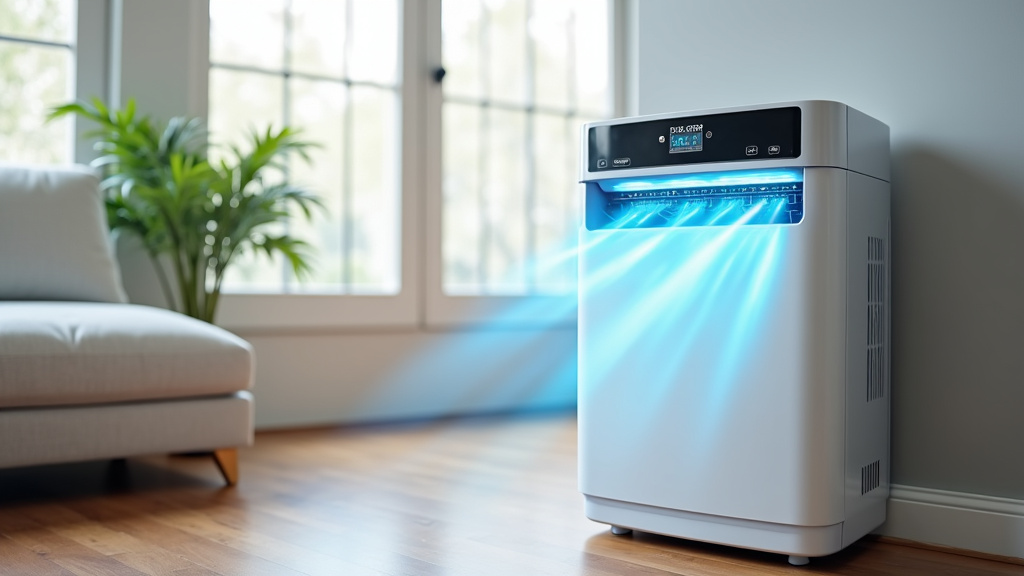
Choosing a UV Air Purifier: Key Considerations
When you’re looking to buy, think about your specific needs. Not all UV purifiers are created equal. We found that looking at a few key features makes a big difference.
Coverage Area and Room Size
Just like any air purifier, a UV model needs to be sized correctly for your room. A unit that’s too small won’t be effective. Check the manufacturer’s recommendations for square footage.
Filter Types Included
As we’ve discussed, look for a unit that includes more than just UV light. A good pre-filter, a HEPA filter, and an activated carbon filter will give you the most comprehensive cleaning.
UV Lamp Quality and Lifespan
The UV lamp is a consumable part. It will need to be replaced eventually. Research how often the lamp needs changing and the cost of replacements.
Some lamps are more powerful than others. Check for information on the lamp’s wattage and whether it’s designed for effective germicidal action.
Safety Features
Since UV-C light can be harmful, safety is a priority. The housing should be designed to prevent any light leakage. You shouldn’t be able to see the UV bulb when the unit is running.
We found that reputable brands put a lot of effort into making these units safe for home use.
Are UV Air Purifiers Safe for Home Use?
Yes, when used as intended, UV air purifiers are considered safe for home use. The key is that the UV-C light is fully enclosed within the unit.
You should never directly expose your skin or eyes to UV-C light. This is why manufacturers ensure the light is contained. Most units will shut off automatically if they are tampered with or opened.
If you have a unit where the UV light is exposed, do not use it. It’s a safety hazard.
Conclusion
You’ve learned that a UV air purifier uses germicidal UV-C light to inactivate airborne viruses, bacteria, and mold. While UV light itself doesn’t trap particles, it’s most effective when combined with HEPA and carbon filters. This multi-stage approach tackles a wider range of pollutants for healthier indoor air. If reducing germs is your main concern, a UV purifier can be a great addition to your home. Consider your room size and look for models with robust filtration for the best results.
Frequently Asked Questions
Do UV air purifiers actually kill germs?
Yes, UV air purifiers use UV-C light to damage the DNA and RNA of microorganisms. This process renders them unable to reproduce or cause illness. Research and expert confirmations support their ability to inactivate viruses, bacteria, and mold spores.
How long does it take for a UV air purifier to work?
The effectiveness depends on how long the microbes are exposed to the UV light. Good designs ensure sufficient exposure time as air passes through. Consistent operation of the purifier will continuously reduce airborne germs over time.
Can I see the UV light from the purifier?
No, you should never see the UV light. Reputable UV air purifiers have a completely enclosed housing. This safety feature prevents harmful UV-C light from escaping and causing harm to your skin or eyes.
Do I still need filters if I have a UV air purifier?
Yes, you absolutely do. UV light is for disinfecting microbes, not for trapping particles like dust, pollen, or pet dander. You’ll want a unit with at least a HEPA filter to capture these airborne particles.
Are UV air purifiers expensive to maintain?
Maintenance costs mainly involve replacing the UV lamp and filters. The lifespan of UV lamps varies by manufacturer, typically lasting a year or more. Filter replacement frequency depends on usage and air quality, usually every 6-12 months.