What Is a HEPA Filter? A Simple Guide for Owners
A HEPA filter is a mechanical air filter that traps very tiny particles. It stands for High-Efficiency Particulate Air. These filters are designed to capture at least 99.97% of airborne particles that are 0.3 microns in size. This makes them highly effective at cleaning the air in your home.
You’ll find HEPA filters in many air purifiers and vacuums. They are great for removing allergens like pollen and pet dander. They also catch dust mites and mold spores. Many experts agree that using HEPA filters can significantly improve indoor air quality. This is especially helpful for people with allergies or asthma.
- HEPA stands for High-Efficiency Particulate Air.
- They capture 99.97% of particles 0.3 microns or larger.
- Commonly found in air purifiers and vacuums.
- Helpful for reducing allergens and improving air quality.
- A great choice for allergy and asthma sufferers.
Ready to breathe a little easier? Let’s dive into what makes a HEPA filter so special and how it works to clean your air.
Understanding High-Efficiency Particulate Air (HEPA) Filters
You’ve heard the term HEPA filter, but what does it actually mean for your home’s air? HEPA stands for High-Efficiency Particulate Air. It’s not just a fancy name; it’s a standard. This standard tells you how well a filter can clean the air from tiny particles. Think of it as a superhero for your indoor environment.
These filters are designed to catch a very specific size of particle. We’re talking about things so small they’re invisible to your eyes. The standard requires them to capture at least 99.97% of particles that measure 0.3 microns. This is a tiny measurement, but it makes a big difference in air quality.
When you see a filter labeled “HEPA,” you can be confident in its performance. It has met strict requirements set by agencies like the U.S. Department of Energy. This ensures you’re getting a filter that’s truly effective at removing airborne irritants. It’s a simple but powerful technology.
How a HEPA Filter Actually Works
So, how do these filters perform their magic? It’s not a single trick, but a combination of physical processes. HEPA filters are made of a mat of randomly arranged fibers. These fibers are usually made of fiberglass. The dense packing of these fibers is key to their effectiveness.
These tiny fibers work together to trap particles through several mechanisms. It’s like a mini obstacle course for the air. The air you breathe passes through this dense fiber mat. As it does, particles get caught in different ways.
The Three Main Trapping Methods
Researchers have identified three main ways HEPA filters capture particles. These methods work together to grab even the smallest specks. You don’t need to be a scientist to understand them. They’re based on simple physics.
1. Impaction
Larger particles, even if they’re still quite small, have a harder time changing direction. When the air stream curves around a fiber, these larger particles can’t follow. They simply smash into the fiber and stick there. Imagine a car trying to take a sharp turn at high speed; it might go straight.
2. Interception
Medium-sized particles are more likely to follow the airflow. However, if a particle passes very close to a fiber, it can get stuck. The particle’s edge will touch the fiber. It’s like a sticky spider web catching passing insects. The particle gets snagged as it floats by.
3. Diffusion
The smallest particles, especially those less than 0.1 microns, behave erratically. They move randomly, a phenomenon known as Brownian motion. This random movement makes them more likely to bump into a fiber and get trapped. They’re not following the air; they’re bouncing around until they hit something.
It’s important to note that HEPA filters are most efficient at capturing particles around 0.3 microns in size. This is often called the Most Penetrating Particle Size (MPPS). Particles larger or smaller than this are actually captured at even higher rates due to the mechanisms above. So, while 99.97% is the minimum standard, many filters perform even better.
What Can a HEPA Filter Actually Capture?
The real benefit of HEPA filters comes from what they can remove from your air. They are incredibly effective at cleaning out common household irritants. If you suffer from allergies or asthma, this is where HEPA filters shine.
We found that HEPA filters are excellent at capturing common allergens. This includes things you can see floating in a sunbeam, and things you can’t. They help create a cleaner living space for everyone.
Common Particles Removed by HEPA Filters:
- Pollen: These tiny grains from plants are a major trigger for seasonal allergies. HEPA filters can trap them effectively.
- Pet Dander: Microscopic flakes of skin from pets like cats and dogs can cause significant allergic reactions. HEPA filters capture this dander.
- Dust Mites: These microscopic creatures thrive in dust and are a common allergen. Their waste products are also trapped.
- Mold Spores: Mold can grow in damp areas, and its spores can spread through the air. HEPA filters catch these spores.
- Bacteria and Viruses: While HEPA filters are not designed specifically as germicidal devices, their dense fiber structure can capture some bacteria and viruses.
- Smoke Particles: Particles from cooking smoke or even wildfire smoke can be effectively captured.
- Other Fine Dust: General household dust contains a mix of particles. HEPA filters tackle most of this.
For example, the Centers for Disease Control and Prevention (CDC) recommends using air-cleaning devices with HEPA filters. This can be part of a strategy to improve indoor air quality, especially in homes with occupants who have respiratory conditions.
Are All “HEPA-Type” Filters the Real Deal?
This is a really important question for shoppers. You might see filters advertised as “HEPA-type,” “HEPA-like,” or “99% HEPA.” It’s crucial to understand that these are not true HEPA filters. They may capture a good amount of particles, but they don’t meet the official HEPA standard.
A genuine HEPA filter must meet the 99.97% capture rate for 0.3-micron particles. This is a strict, independently verifiable standard. Filters that fall short of this might still improve air quality, but they aren’t certified HEPA.
What to Look For: The “True HEPA” Label
When you’re shopping for an air purifier, vacuum cleaner, or any appliance with a HEPA filter, always look for the words “True HEPA.” This is your assurance that the filter meets the established standard. If a product uses vague terms, it’s best to assume it’s not a true HEPA filter.
We found that some manufacturers might use terms like “HEPA filter” loosely. They might have filters that capture, say, 90% or 95% of particles. While this is better than a basic filter, it’s a far cry from the 99.97% effectiveness of a true HEPA filter.
Where Are HEPA Filters Used?
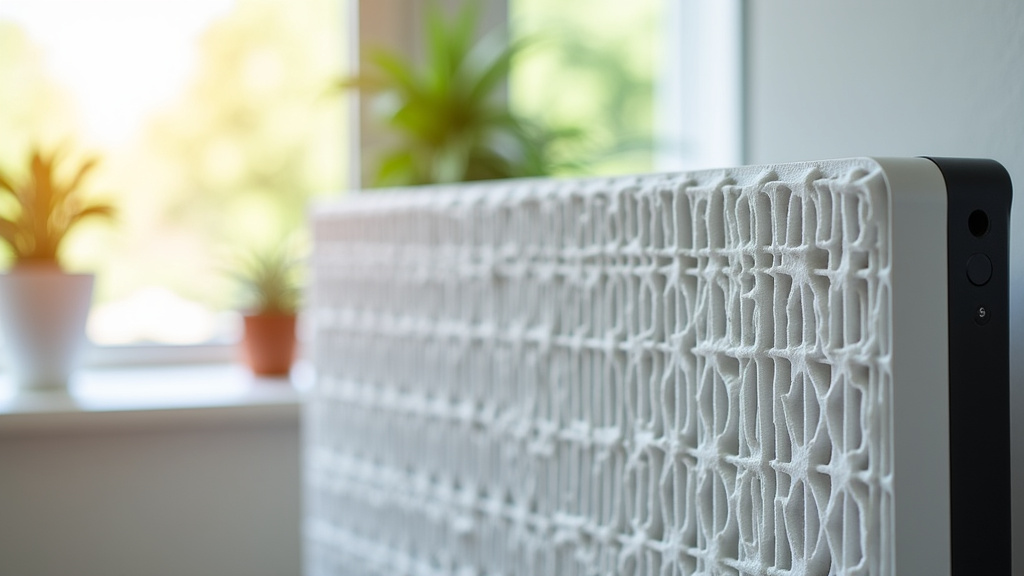
You’ll find HEPA filters in a variety of products designed to clean your air. Their effectiveness makes them a popular choice for many applications. Understanding where they are commonly used can help you decide if they’re right for your home. You’ll find HEPA filters in a variety of products designed to clean your air, such as an air purifier.
Air Purifiers
This is perhaps the most common place to find HEPA filters. Air purifiers are specifically designed to clean the air in a room. A True HEPA filter is the core component that removes allergens and pollutants. They are excellent for bedrooms, living rooms, and any space where you spend a lot of time.
Vacuums
A vacuum cleaner with a HEPA filter is a game-changer for allergy sufferers. Standard vacuums can sometimes release fine dust and allergens back into the air as they clean. A HEPA filter in a vacuum traps these particles within the machine. This means you’re not just moving dust around; you’re removing it effectively.
Other Applications
HEPA filters are also used in:
- HVAC Systems: Some home heating and cooling systems can be fitted with HEPA filters to improve whole-house air quality.
- Car Air Filters: Certain car cabin air filters use HEPA technology to clean the air you breathe while driving.
- Medical Settings: Hospitals and cleanrooms often use HEPA filters in specialized air handling units to maintain extremely clean environments.
HEPA Filters vs. Other Air Filters: What’s the Difference?
You might wonder how HEPA filters stack up against other types of air filters. It’s helpful to know the distinctions so you can make informed choices about your air quality.
The main difference lies in the efficiency and the particle size they are rated to capture. Basic filters might catch larger dust bunnies and hair, but they miss the microscopic stuff.
| Filter Type | Efficiency (Approximate) | Particle Size Captured | Common Uses |
|---|---|---|---|
| Basic Furnace Filter | 10-20% | Larger dust, lint, carpet fibers | Protecting HVAC equipment |
| MERV 8-13 Filter | Up to 85% (for larger particles) | Pollen, mold spores, pet dander | Home HVAC systems |
| True HEPA Filter | 99.97% | 0.3 microns (including bacteria, viruses, smoke) | Air purifiers, high-end vacuums |
As you can see, HEPA filters are in a league of their own for capturing fine particles. While MERV ratings are useful for HVAC systems, they don’t typically reach the HEPA standard for ultra-fine particle removal. MERV stands for Minimum Efficiency Reporting Value.
Many experts point out that for allergy and asthma relief, a True HEPA filter is the most effective option. It removes the tiny triggers that can cause so much discomfort. This is why they are often recommended by allergists and pulmonologists.
Maintaining Your HEPA Filter: Tips for Best Performance
To get the most out of your HEPA filter, you need to take care of it. Think of it like changing the oil in your car. Regular maintenance ensures it runs smoothly and effectively.
The most important step is replacement. HEPA filters are generally not washable or reusable. They are designed to be replaced periodically. The frequency depends on the device and how often you use it.
When to Replace Your HEPA Filter:
- Check the Manufacturer’s Guide: Every device is different. Your air purifier or vacuum will have specific recommendations for filter life.
- Watch for Airflow Reduction: If your air purifier isn’t moving as much air as it used to, the filter might be clogged.
- Noticeable Odors: If you start smelling stale air or odors that the purifier should be removing, it’s likely time for a new filter.
- Visual Inspection: Some filters turn visibly dirty or discolored. If it looks packed with gunk, it’s probably past its prime.
We found that using a device with a clogged HEPA filter is ineffective. It can also put a strain on the motor. Following the recommended replacement schedule is key to breathing clean air. Some devices may have a filter indicator light to remind you.
Another helpful tip is to place your air purifier in a central location within the room. This allows it to circulate and clean the air more efficiently. Keeping the area around the purifier clear also helps improve airflow. Proper placement means your HEPA filter works its hardest.
Is a HEPA Filter Right for Your Home? A Quick Checklist
Deciding if a HEPA filter is a good investment for you is easy. Consider these points:
- Do you or someone in your home suffer from allergies or asthma?
- Are you sensitive to dust, pollen, pet dander, or mold spores?
- Do you live in an area with poor outdoor air quality (e.g., near a busy road or wildfire zone)?
- Are you looking for a more effective way to reduce airborne irritants in your living space?
- Is maintaining a clean indoor environment a priority for your household?
- Are you prepared to replace filters periodically as recommended by the manufacturer?
If you answered “yes” to most of these questions, then a device with a True HEPA filter is likely a great choice for you. It’s a reliable way to make your home a more comfortable and healthier place to breathe. You can find them in everything from small personal air purifiers to whole-house systems.
Conclusion
You’ve learned that a True HEPA filter is your best ally against tiny airborne particles like pollen, dander, and dust. Its unique fiber design traps at least 99.97% of particles at 0.3 microns, a standard that “HEPA-type” filters don’t meet. Whether in an air purifier or vacuum, it makes a real difference for allergy sufferers and anyone wanting cleaner air. Ready to breathe easier? Your next step is to identify which devices in your home could benefit from a True HEPA filter and look for that certification when shopping.
Frequently Asked Questions
How often should I replace a HEPA filter?
You should replace your HEPA filter according to the manufacturer’s recommendations, usually every 6 to 12 months. Factors like usage frequency and air quality can influence this. Replacing it on time ensures your device continues to effectively clean your air.
Can I wash a HEPA filter?
No, you should generally not wash a True HEPA filter. These filters are made of dense fibers designed to trap very fine particles. Washing them can damage the filter media, reducing its effectiveness and potentially releasing trapped particles back into the air.
What’s the difference between True HEPA and HEPA-type filters?
A True HEPA filter meets the strict standard of capturing 99.97% of particles at 0.3 microns. HEPA-type or HEPA-like filters may capture a good amount of particles, but they do not meet this official standard and are less effective.
Are HEPA filters effective against viruses and bacteria?
HEPA filters are not primarily designed as germicidal devices. However, their dense structure can capture many bacteria and virus particles because they are often 0.3 microns or larger, or they attach to larger particles that the filter traps.
Do HEPA filters help with pet odors?
While a HEPA filter excels at capturing particulate matter like pet dander, it doesn’t typically remove odors on its own. Many air purifiers with HEPA filters also include an activated carbon filter, which is effective at absorbing and neutralizing odors.