What Is a True HEPA Filter? A Clear Answer
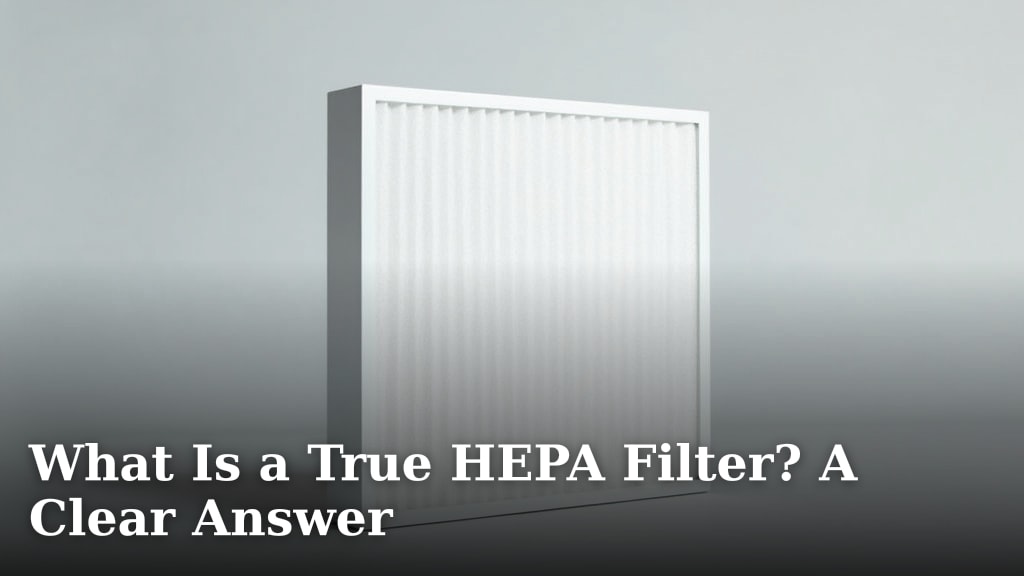
A true HEPA filter is a mechanical air filter that removes at least 99.97% of airborne particles 0.3 micrometers in size. This means it can capture tiny dust, pollen, mold spores, and bacteria that float in your air. They are essential for cleaner indoor air.
When you see the “HEPA” label, it means the filter has met strict government standards for air cleaning. Not all filters labeled as HEPA are the same, so understanding what makes one truly effective is important. We’ve found that knowing the details can help you make the best choice for your home’s air quality.
- HEPA stands for High-Efficiency Particulate Air.
- A true HEPA filter captures 99.97% of particles 0.3 microns wide.
- This includes common allergens like dust and pollen.
- Look for filters that meet government efficiency standards.
Ready to understand what makes a HEPA filter truly stand out? Let’s dive into what you need to know about these air-cleaning powerhouses.
Understanding True HEPA Air Filters
So, what exactly makes a HEPA filter “true”? It all comes down to a very specific standard. A true HEPA filter is defined by its ability to trap a remarkable amount of tiny particles. We found that this standard is quite stringent, ensuring a high level of air cleaning for your home.
The HEPA Standard Explained
HEPA stands for High-Efficiency Particulate Air. This isn’t just a fancy acronym; it’s a mark of quality. For a filter to earn the “true HEPA” title, it must meet the performance standards set by the U.S. Department of Energy (DOE). These standards are clear and non-negotiable.
What Does 99.97% Really Mean?
The most critical part of the HEPA standard is efficiency. A filter must capture at least 99.97% of airborne particles that are 0.3 micrometers in diameter. Think of this size as a kind of “worst-case scenario” for particle filtration. Many particles are larger, and some are even smaller. HEPA filters are designed to be highly effective across this range.
Why 0.3 Micrometers?
You might wonder why 0.3 micrometers is the magic number. Research and testing have shown that particles around this size are actually the most difficult to capture. Very large particles can be stopped by simpler filters, and very, very small particles might behave more like gases and are harder to catch in a filter’s mesh. Particles in the 0.3-micron range are right in the middle, making them a tough challenge. Therefore, a filter that can effectively capture these particles is exceptionally good at filtering out a wide variety of airborne contaminants (U.S. Environmental Protection Agency).
What a True HEPA Filter Captures
When you have a true HEPA filter working in your air purifier or HVAC system, you can expect it to catch a broad spectrum of unwanted particles. This includes many common indoor air pollutants that can affect your health and comfort. We’ve seen that for many people, this is the primary reason they invest in air purification.
Common Allergens and Irritants
For those who suffer from allergies or asthma, a true HEPA filter can be a game-changer. It is highly effective at trapping microscopic allergens like:
- Pollen: Tiny grains that float in the air, especially during certain seasons.
- Dust mites: Microscopic creatures found in dust that can trigger allergic reactions.
- Mold spores: Microscopic reproductive cells of mold, which can cause respiratory issues.
- Pet dander: Tiny flakes of skin shed by animals with fur or feathers.
Bacteria and Viruses
Beyond allergens, true HEPA filters are also capable of capturing a significant percentage of airborne bacteria. While they aren’t designed as medical-grade sterilizers, they do trap many of the larger bacteria. Many viruses are smaller than 0.3 microns, but they often travel attached to larger particles like dust or water droplets, which the HEPA filter can then capture. This dual action helps to reduce the overall load of airborne germs in your environment.
Other Fine Particles
The filtration power of a true HEPA filter extends to other fine particles as well. This can include:
- Smoke particles: From cooking or even wildfire smoke.
- Soot: Tiny particles from combustion.
- Other airborne dust: From everyday activities in your home.
How HEPA Filters Are Tested and Certified
You can’t just slap a “HEPA” label on any filter. There are strict testing procedures to ensure that a filter actually meets the high standards. This testing is crucial for consumer confidence. We found that understanding the testing process helps you trust the label you see.
The Testing Process
To be certified as true HEPA, filters are tested in specialized laboratories. The tests involve introducing a specific mixture of particles of varying sizes, including those around the 0.3-micron mark, into a controlled environment. Air is then drawn through the filter at a specific rate. Scientists measure how many particles are captured versus how many pass through. If the filter meets the 99.97% efficiency for 0.3-micron particles, it passes.
What to Look For: Certification Marks
Because the term “HEPA” can sometimes be misused, looking for specific certification is a good idea. While the U.S. DOE sets the standard, filters themselves might carry marks from independent testing organizations. For instance, some filters might be tested to meet the European standard EN 1822. While not a U.S. government certification, it’s another indicator of rigorous testing for high-efficiency particulate air filters. Always check the product details for information on how the filter was tested and certified.
Distinguishing True HEPA from “HEPA-Type” Filters
This is where things can get a little confusing for shoppers. Not all filters that claim to be HEPA are actually “true” HEPA. Many filters use the term loosely or have names like “HEPA-type” or “HEPA-like.” It’s important to know the difference to avoid buying a filter that doesn’t perform as you expect.
The “HEPA-Type” Deception
Filters labeled “HEPA-type,” “HEPA-like,” or “99% HEPA” are generally not true HEPA filters. These terms often mean the filter captures a high percentage of particles, but it might not meet the specific 99.97% efficiency at 0.3 microns. They might also be tested with larger particles, which are easier to capture. We’ve seen that these filters can still offer some improvement in air quality, but they don’t provide the same level of assurance as a true HEPA filter.
Why the Distinction Matters for You
If your goal is to capture the maximum amount of fine particles, especially for allergy or asthma relief, then investing in a true HEPA filter is the way to go. The difference in performance, particularly with those hard-to-catch 0.3-micron particles, can be significant. Using a true HEPA filter means you are getting the highest level of particulate air cleaning available in standard air filtration technology.
When to Choose a True HEPA Filter
Deciding whether a true HEPA filter is right for you depends on your specific needs and concerns about your indoor air quality. We found that people with certain conditions or living in particular environments benefit the most.
For Allergy and Asthma Sufferers
If you or someone in your household struggles with allergies, asthma, or other respiratory sensitivities, a true HEPA filter is highly recommended. Its ability to capture a vast range of allergens and irritants can lead to noticeable relief. Many respiratory health guidelines suggest using high-efficiency filters for improved indoor air quality (American Lung Association).
In Areas with Poor Outdoor Air Quality
Living in or near a city with heavy traffic, industrial pollution, or areas prone to wildfires means your outdoor air can carry a lot of fine particles. When you bring that air inside, these pollutants can settle into your home. A true HEPA filter in an air purifier can effectively combat these outdoor contaminants, cleaning the air you breathe indoors.
For General Health and Well-being
Even if you don’t have specific respiratory conditions, improving your indoor air quality is a good idea for overall health. A cleaner home environment can contribute to better sleep, reduced headaches, and a general sense of well-being. A true HEPA filter offers peace of mind that you are breathing the cleanest air possible.
Making the Smart Choice for Your Air
When you’re looking to buy an air purifier or an HVAC filter, remember what we’ve discussed. Don’t just look for the word “HEPA”; look for the assurance that it meets the stringent performance standards. Your health and comfort depend on the quality of the air you breathe every day.
Here’s a quick checklist to help you remember the key points:- Look for “True HEPA” or filters certified to capture 99.97% of particles at 0.3 microns.
- Be wary of terms like “HEPA-type” or “HEPA-like.”
- Check product specifications for testing standards and efficiency ratings.
- Consider your home’s environment and any respiratory concerns you might have.
- Understand that a true HEPA filter offers the highest level of particulate air cleaning.
- Invest in your health by choosing effective air filtration.
Conclusion
You’ve learned that a true HEPA filter is your best defense against tiny airborne particles. It’s not just about the label; it’s about a strict standard of capturing 99.97% of particles 0.3 microns wide. This ensures you’re getting top-notch air cleaning for your home, which is especially important if you struggle with allergies or live in an area with poor air quality. Don’t settle for less when it comes to the air you breathe daily. Your next step is to check product descriptions carefully and choose a true HEPA filter for a healthier indoor environment.
Frequently Asked Questions
Are all air purifiers with HEPA filters the same?
No, not all air purifiers with HEPA filters are the same. You need to look for the term “true HEPA” to ensure the filter meets the strict 99.97% efficiency standard for particles at 0.3 microns. Many devices may use “HEPA-type” filters, which don’t offer the same level of performance.
Can a true HEPA filter capture viruses?
While true HEPA filters are designed to capture particles down to 0.3 microns, most viruses are smaller. However, viruses often travel attached to larger particles like dust or water droplets. A true HEPA filter can effectively capture these larger carriers, thus reducing the presence of airborne viruses in your air.
How often should I replace a true HEPA filter?
The replacement frequency for a true HEPA filter depends on the air purifier model and how often you use it. Generally, you should check your air purifier’s manual, but most true HEPA filters need replacement every 6 to 12 months for optimal performance. Heavily polluted environments may require more frequent changes.
What’s the difference between HEPA and HEPA-type filters?
A true HEPA filter meets the strict U.S. standard of capturing at least 99.97% of airborne particles 0.3 micrometers in size. A “HEPA-type” or “HEPA-like” filter may capture a high percentage of particles, but it likely doesn’t meet the same rigorous 0.3-micron efficiency standard and might be tested differently.
Is a true HEPA filter necessary if I don’t have allergies?
Even without allergies, a true HEPA filter can significantly improve your indoor air quality. It captures a wide range of everyday pollutants like dust, smoke particles, and pet dander. Breathing cleaner air contributes to better overall health, sleep, and a more comfortable living environment for everyone in your home.