What Is a HEPA Filter Made Of? Materials Explained
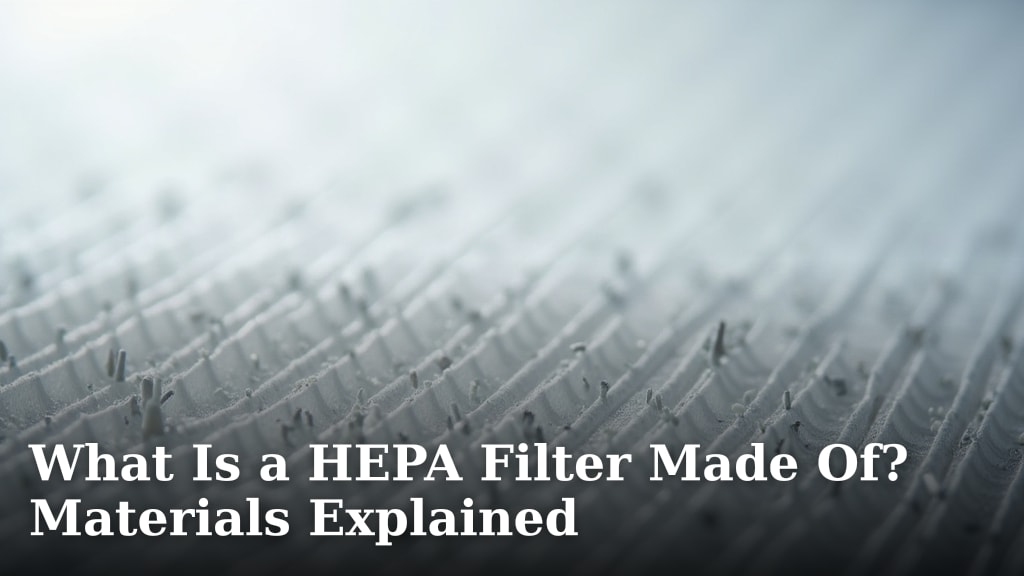
A HEPA filter is made of a mat of fibers, usually fiberglass or synthetic materials. These fibers are arranged in a way that traps tiny particles. It’s designed to capture at least 99.97% of airborne particles 0.3 micrometers in size, like dust, pollen, and pet dander. Think of it as a super-fine sieve for your air.
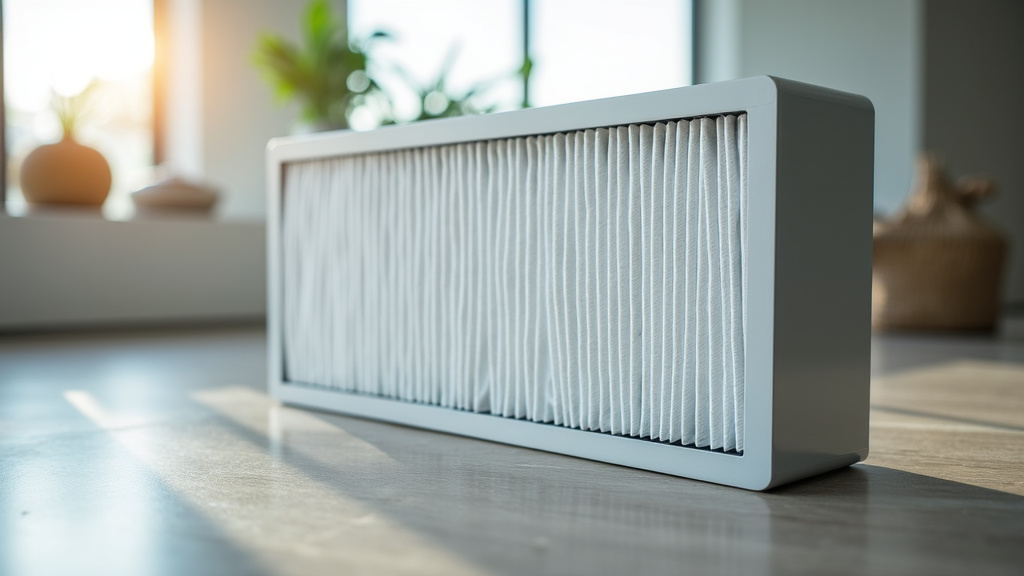
You’ll often find that HEPA filters use a paper-like material. This material is folded into pleats to increase the surface area. More surface area means better air filtration. Researchers say this design helps capture the smallest of pollutants efficiently. It’s a simple yet effective engineering marvel for cleaner air.
- HEPA filters are made from fiber mats.
- Common materials include fiberglass or synthetic fibers.
- The fibers are pleated to maximize surface area.
- This design effectively captures tiny airborne particles.
- It’s key for removing dust, pollen, and allergens.
Let’s dive into the specific materials used in HEPA filters and why they work so well to clean your air.
What Goes Into a HEPA Filter? Understanding the Materials
You might be wondering what exactly makes a HEPA filter so good at cleaning the air. It all comes down to the materials used and how they’re put together. While the exact blend can vary a bit between manufacturers, the core components are quite consistent.
The primary material in most HEPA filters is a mat of very fine fibers. These fibers are usually made from either fiberglass or synthetic materials. Think of it like a dense, super-fine mesh that’s designed to catch even the tiniest particles floating around.
The Fiber Mat: The Heart of the HEPA Filter
The main component of a HEPA filter is a dense mat of fibers. This mat is specifically engineered to trap airborne particles. Its effectiveness relies on the size and arrangement of these fibers.
Fiberglass: A Traditional Choice
For a long time, fiberglass has been a common material for HEPA filters. It’s made from extremely fine strands of glass. These strands are blended together to form a non-woven mat. This material is durable and can be manufactured to very specific pore sizes.
Why fiberglass? Researchers have found it’s excellent at capturing small particles. It’s also resistant to moisture and heat. This makes it a reliable choice for many air purification systems. The fine glass fibers create a tortuous path for air to travel. This path increases the chances of particles getting stuck.
Synthetic Fibers: A Modern Alternative
More recently, manufacturers have started using synthetic fibers. These are often made from materials like polypropylene or polyester. These synthetic options offer several advantages over fiberglass.
One big plus is that synthetic fibers are generally lighter. They can also be engineered to be more flexible. Many people prefer synthetic filters because they don’t involve glass. This can be a concern for those worried about handling or disposal. Studies suggest synthetic materials can achieve comparable filtration efficiency to fiberglass.
The Pleating Process: Maximizing Surface Area
It’s not just the material itself, but how it’s used. The fiber mat is typically folded into many pleats. Imagine an accordion or a fan. This process dramatically increases the surface area of the filter. A larger surface area means more opportunities for particles to be captured.
Think about it: if you had a flat sheet of paper, you could only write on one side at a time. But if you fold that paper into a fan, you have many more surfaces available. This is the same principle with HEPA filters. The pleating allows the filter to hold a lot more material in a compact space. This helps the filter work longer and more effectively.
How the Fibers Actually Trap Particles
You might think a HEPA filter just acts like a simple sieve. It’s a bit more sophisticated than that. The tiny fibers trap particles through several different mechanisms. These mechanisms work together to capture a wide range of pollutants.
Interception: Getting Caught in the Act
One way particles are trapped is through interception. Imagine a small dust particle floating along with the air. As the air flows around a fiber, the particle follows the airflow. If the particle’s path comes close enough to a fiber, it can get stuck. It’s like a tiny boat bumping into a wall.
This method is particularly effective for particles that are roughly the same size as the gaps between the fibers. The particle doesn’t necessarily need to change its path much to get caught. It just needs to be in the right place at the right time.
Impaction: The Hard Hit
Larger particles, especially those with more mass, can be trapped by impaction. As the air stream flows, larger particles tend to keep going in a straight line due to inertia. When the air bends around a fiber, the particle might not be able to follow. It will continue on its original path and smack right into the fiber.
This is similar to how mud splatters on the side of a car when it drives through a puddle. The mud has inertia and hits the car’s surface instead of bending around it. Impaction is a key mechanism for capturing medium-sized particles.
Diffusion: The Random Dance
For the very, very smallest particles, a different process takes over: diffusion. These tiny particles, often less than 0.1 micrometers, don’t move in smooth paths. They move erratically, bouncing around randomly. This random movement is called Brownian motion.
As these particles zig and zag, they are more likely to bump into the filter fibers. Even if the air flow is smooth, the particle’s own random path will eventually lead it to collide with a fiber. Researchers have found that diffusion becomes more important for trapping the smallest particles that might otherwise pass through the filter.
Electrostatic Attraction: The Sticky Effect
Some HEPA filters might also use electrostatic charges to help capture particles. Fibers can be treated to hold a static electric charge. This charge can attract oppositely charged particles in the air. It’s like a magnet attracting a metal object.
This electrostatic effect can give the filter an extra boost in capturing very fine particles. It helps pull them towards the fibers, increasing the chances of them getting stuck. Many experts say this can improve the filter’s efficiency.
Beyond the Fibers: Other Components
While the fiber mat is the star of the show, HEPA filters usually have a few other parts. These ensure the filter performs well and fits properly into your air purifier.
The Frame: Holding It All Together
The pleated fiber material needs a structure to hold it in place. This is the frame. Frames are typically made from sturdy materials like cardboard, metal, or plastic. The frame gives the filter its shape and size.
It also ensures a good seal within your air purifier. A tight seal is critical. It prevents air from bypassing the filter media. If air can sneak around the edges, your air won’t be cleaned effectively. Manufacturers pay close attention to how the frame integrates with the purifier.
Sealing Materials: No Gaps Allowed
Along with the frame, sealing materials are used. These are often made of rubber or foam. They go around the edges of the filter. Their job is to create an airtight seal between the filter and the air purifier unit.
Think of the weatherstripping on your car doors. It keeps out the wind and rain. These seals do a similar job for your air purifier. They stop air from leaking around the filter, ensuring all the air passes through the HEPA media. A good seal means a better clean. Many cleaning guidelines mention this for optimal performance.
Checking Your Filter’s Materials: What to Look For
When you’re looking to buy a HEPA filter, it’s good to know what you’re getting. The materials used can affect performance, cost, and how you handle the filter.
Here’s a quick checklist of what to consider:
- Fiber Type: Is it fiberglass or synthetic? Both work well, but synthetic might be preferred by some.
- Pleat Count: More pleats generally mean a larger surface area.
- Frame Material: Sturdy frames ensure durability.
- Seal Quality: Look for good sealing materials for an airtight fit.
- True HEPA vs. Filtered HEPA: Ensure it’s a “True HEPA” filter, meaning it meets the 99.97% efficiency standard.
- Replacement Schedule: The material will affect how often you need to change it.
Conclusion
You now understand what makes a HEPA filter so effective. It’s the specially designed fiber mat, whether made of fiberglass or synthetic materials. The way these fibers are arranged and pleated maximizes the surface area for trapping particles. Remember, it’s a combination of the material’s properties and clever engineering that captures dust, allergens, and more.
When it’s time to replace your filter, you’ll know what to look for. Checking the fiber type and ensuring a good seal will help you make an informed choice for cleaner air in your home.
Frequently Asked Questions
Are HEPA filters safe to handle?
Yes, HEPA filters are generally safe to handle. If your filter uses fiberglass, you might want to wear gloves when replacing it to avoid skin irritation. Synthetic filters avoid this concern altogether. Always follow the manufacturer’s instructions for replacement.
Can I wash a HEPA filter?
No, you should not wash a HEPA filter. The delicate fibers that trap particles are usually not washable. Washing can damage the filter media and reduce its effectiveness. It’s best to replace them according to the manufacturer’s recommended schedule.
How do I know if my filter is a “True HEPA” filter?
A “True HEPA” filter is certified to capture at least 99.97% of airborne particles that are 0.3 micrometers in size. Look for this specific claim on the product packaging or in its specifications. This standard ensures it meets the highest level of air filtration.
How often should I replace my HEPA filter?
The replacement frequency for your HEPA filter depends on usage and the air quality in your home. Many manufacturers recommend replacing them every 6 to 12 months. High-use environments or areas with more pollutants might require more frequent changes.
Do the different fiber materials affect filter performance?
Both fiberglass and synthetic fibers are designed to achieve the high efficiency standards of HEPA filters. Fiberglass is known for its durability and resistance to moisture. Synthetic fibers are often lighter and preferred by some for handling. Ultimately, both types can provide excellent air purification when properly manufactured.