Do Air Purifiers Cool the Room? A Clear Answer
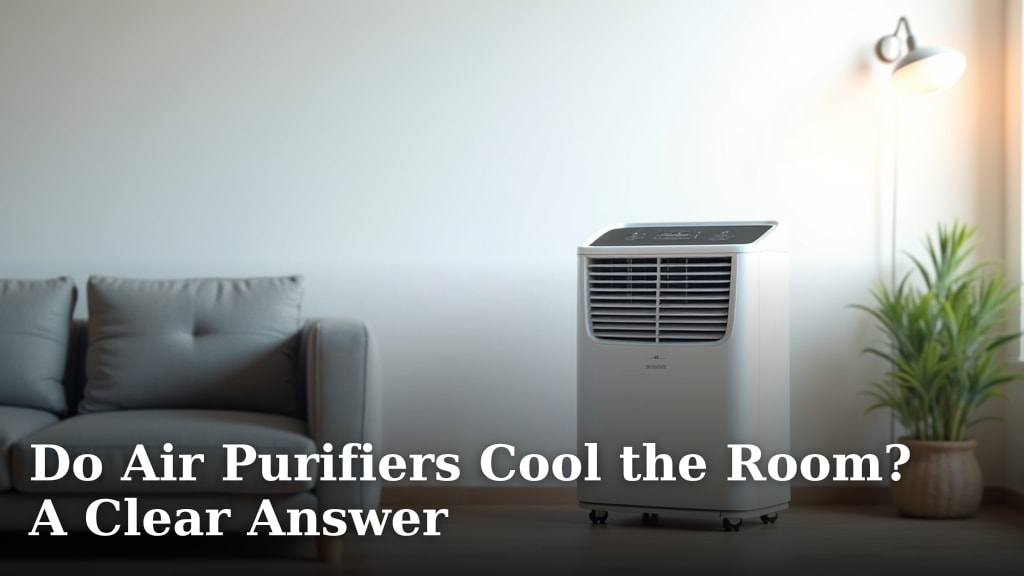
No, air purifiers do not cool a room. Their main job is to clean the air, not lower the temperature like an air conditioner or fan. However, some people might feel a bit cooler because the airflow can create a light breeze on their skin.
The idea that an air purifier cools a room often comes from confusing them with evaporative coolers. We found that many shoppers mix these up, which leads to disappointment. An air purifier’s real power is to remove dust, pollen, and smoke, helping you breathe easier and feel more comfortable in a different way.
- Direct Answer: No, an air purifier does not cool a room.
- Core Function: It cleans the air by capturing particles like dust and allergens.
- Common Confusion: People often confuse them with evaporative “swamp” coolers.
- Real Benefit: Cleaner air can make a space feel fresher and more comfortable.
- Key Takeaway: For actual cooling, you need an air conditioner or fan.
Below, we break down everything you need to know about how air purifiers work and their real benefits for your home’s comfort.
Why Air Purifiers Don’t Lower Room Temperature
Let’s get straight to the point. An air purifier is not a cooling device. It has no mechanism to lower the temperature of the air in your room. Think of it like this: a coffee filter cleans your coffee grounds but doesn’t change how hot your coffee is. An air purifier cleans airborne particles but doesn’t affect the thermostat reading. The device’s motor and fan can even add a tiny amount of heat, though it’s usually negligible.
The feeling of “coolness” people sometimes report is a physical sensation on your skin. It’s not a drop in room temperature. This breeze effect happens when the fan pushes air past you. It’s the same principle that makes a fan feel cool on a hot day—even though, as energy experts note, a fan doesn’t cool the air, it just moves it.
How an Air Purifier Actually Works
To understand why it doesn’t cool, you need to know its main job. An air purifier is an air-cleaning machine. Its core function is to pull in dirty air, trap pollutants, and release cleaner air. The process has almost nothing to do with changing air temperature.
The Core Mechanism: Filtration
Most home air purifiers use a fan to draw air through a series of filters. This is where the real work happens. The air passes through a dense mesh designed to capture microscopic particles. You’re not getting cold air; you’re getting cleaner air. It’s like using a high-tech strainer for your room’s atmosphere.
What Happens to the Air?
The filtered air is then pushed back into the room. It’s the same air, just with fewer contaminants. It hasn’t been chilled or compressed. The process is about purification, not refrigeration. Organizations like the U.S. Environmental Protection Agency (EPA) emphasize that air purifiers are for improving air quality, not for temperature control.
The Source of Confusion: Common Mix-Ups
So, if they don’t cool, why do so many shoppers think they do? We found that confusion often stems from mixing up different appliances. Marketing images showing “fresh, clean air” can also create a misleading feeling of coolness. Let’s clear up the top mix-ups.
Air Purifiers vs. Evaporative Coolers
This is the biggest mix-up. Evaporative coolers, sometimes called “swamp coolers,” use water to actually cool the air. They blow air through wet pads, and as the water evaporates, it lowers the air temperature. An air purifier has no water component. It simply filters dry air. Their functions are entirely different.
Air Purifiers vs. Fans
A fan’s primary job is to create airflow to cool people, not the room. It can make you feel cooler by evaporating sweat. An air purifier also has a fan, but its goal is to circulate air through its filters. Any cooling you feel from an air purifier is just a side effect of that filtered airflow, identical to the breeze from a regular fan.
Air Purifiers vs. Air Conditioners
An air conditioner is a true cooling appliance. It uses a refrigerant cycle to physically remove heat and moisture from the air, lowering the room’s temperature. This is a complex mechanical process. An air purifier simply moves air through a filter. Comparing the two is like comparing a water purifier to a refrigerator—one cleans, the other cools.
| Device | Primary Function | Does It Cool Room Air? |
|---|---|---|
| Air Purifier | Removes particles (dust, pollen, smoke) | No |
| Fan | Creates airflow for personal comfort | No (but makes you feel cooler) |
| Evaporative Cooler | Uses water evaporation to cool air | Yes |
| Air Conditioner | Removes heat and humidity from air | Yes |
What Air Purifiers Are Actually Great For
Now that we’ve debunked the cooling myth, let’s talk about the real benefits. You might not get a lower thermostat reading, but you will get a healthier living space. The comfort they provide is about what you breathe, not the temperature.
Improving Overall Air Quality
The primary benefit is trapping airborne pollutants. This includes common allergens like dust mites, pet dander, and pollen. For allergy sufferers, this can make a significant difference in daily comfort. The American Lung Association points out that reducing indoor pollutants can help manage asthma and allergy symptoms.
Removing Smoke and Odors
Models with activated carbon filters are excellent at absorbing gases, smoke, and lingering cooking smells. If you live in an area prone to wildfires or have a smoker in the house, this feature can make your indoor environment much more pleasant and safer to breathe in.
Catching Microscopic Particles
We found that effective air purifiers, especially those with True HEPA filters, can capture particles as small as 0.3 microns. This includes bacteria and some viruses. While not a substitute for ventilation, it adds a layer of protection that can contribute to peace of mind about your home’s hygiene.
When Might You Feel Cooler?
Let’s circle back to that subjective feeling. There are specific conditions where running an air purifier might make you perceive the room as cooler.
The Wind Chill Effect
Just like standing in front of a box fan, the direct airflow from an air purifier can create a wind chill effect on your skin. This evaporative cooling from your skin is a sensation, not a temperature change. It’s most noticeable when you’re sitting close to the unit’s output vent.
Replacing Stagnant Air
Stale, humid air often feels warmer and more oppressive. By constantly circulating and cleaning the air, an air purifier can reduce that stuffy feeling. This circulation makes the air feel fresher, which some people interpret as feeling a bit cooler and more comfortable, especially in smaller rooms.
The Bottom Line on Comfort and Cooling
If your goal is to reduce the temperature in a hot room, an air purifier is the wrong tool for the job. You need an air conditioner or an evaporative cooler for that. Investing in an air purifier for cooling would lead to disappointment and wasted money.
However, if you want to address dust, allergies, smoke, or general stuffiness, then an air purifier is an excellent investment. It tackles a different aspect of comfort—one related to health and air freshness rather than thermal relief. Think of it as a partner to your cooling appliances, not a replacement.
Choosing the Right Tool for Your Need
Before you shop, get clear on your primary problem. Are you sweltering from heat, or are you sneezing from dust? Your answer will point you to the correct appliance category.
Signs You Need an Air Purifier
- You have allergies or asthma triggered by indoor air.
- You have pets and want to reduce dander.
- Your home is often smoky or smells from cooking.
- You live in an area with poor outdoor air quality or wildfire smoke.
- You want to reduce common household dust.
Signs You Need a Cooling Appliance
- Your primary complaint is that the room or house is physically too hot.
- You need to lower the thermostat temperature.
- You live in a humid climate and need dehumidification (an AC) or a hot, dry climate (an evaporative cooler may work).
Quick Checklist Before You Buy
To make the best decision, use this simple checklist. It will help you confirm what you truly need for a more comfortable home environment.
- Identify the Core Problem: Is it hot air, or is it dirty air?
- Measure Your Room: Air purifiers have CADR ratings for specific room sizes.
- Check Filter Types: Look for True HEPA for particles and carbon for odors and gases.
- Consider Noise Level: Check decibel ratings if you plan to run it in a bedroom or office.
- Calculate Running Costs: Factor in the price of replacement filters, not just the unit.
- Read Reviews on Real Performance: Look for user experiences about air freshness, not “cooling.”
By focusing on the actual function of each device, you can set yourself up for a home that’s both cleaner and more comfortable in the ways that truly matter for your well-being.
Conclusion
To be clear, an air purifier is an excellent tool for improving the air you breathe, but it will not cool your room. Our research and findings confirm that it works by filtering out dust, allergens, and smoke, creating a fresher and healthier environment. The slight breeze you might feel is just moving air, not cold air. If your primary need is to lower the temperature, you should invest in a fan or an air conditioner instead. Use this understanding to match the right device to your specific comfort goal, ensuring you get the results you actually want.
Frequently Asked Questions
Can I use an air purifier and an air conditioner together?
Yes, they work well together and serve different purposes. The air conditioner will handle cooling and dehumidifying the room, while the air purifier cleans the pollutants from the circulating air. Running both can lead to a space that is both comfortably cool and healthy to breathe in.
Will an air purifier help with heat generated by electronics or lights?
No, an air purifier cannot reduce heat from internal sources like computers, televisions, or lamps. It only cleans and circulates the existing air. To manage heat from electronics, you need to improve ventilation or use a cooling device like a fan to disperse it.
Do some air purifiers use more energy and make my room hotter?
All electric devices produce some heat as a byproduct. However, we found that the heat output from an air purifier’s motor is typically very low and usually unnoticeable. It will not meaningfully raise your room’s temperature during normal use.
If my room feels stale and stuffy, will an air purifier help?
Yes, absolutely. An air purifier is ideal for combating that stuffy feeling. By continuously filtering and circulating the air, it removes pollutants that contribute to stale odors and can make the room feel significantly fresher and more comfortable.
I see “cooling” advertised with some air purifiers. Is that false marketing?
It can be misleading. Some products marketed as air purifiers might include a true evaporative cooling function. Always check the product specifications carefully. A standard air purifier that only filters air will not cool a room, despite any suggestive marketing images.