Do HEPA Filters Remove Smoke? What to Know
Yes, HEPA filters do remove smoke, and they are quite effective at it. They are designed to capture tiny particles, including the soot and ash that make up smoke. This means your air can feel much cleaner and smell fresher with a HEPA filter running.
When smoke fills your home, it’s not just the smell that’s the problem. Smoke contains fine particulate matter that can be harmful to your health. HEPA filters are specifically engineered to trap these minuscule irritants, making them a smart choice for smoke concerns.
- HEPA filters capture smoke particles effectively.
- They remove tiny soot and ash from the air.
- This helps improve indoor air quality.
- Look for True HEPA filters for best results.
- They can make your home smell fresher.
So, if you’re wondering if a HEPA filter can help with smoke, the answer is a definite yes! Let’s break down exactly how they work and what you should look for.
How HEPA Filters Tackle Smoke in Your Home
You’re likely here because smoke has become an unwelcome guest in your living space. Maybe it’s from a nearby wildfire, a neighbor’s barbecue gone awry, or even an accident in your own kitchen. Whatever the source, you want to know if a HEPA filter can help clear the air. The short answer is a resounding yes.
HEPA stands for High-Efficiency Particulate Air. This isn’t just a fancy acronym; it’s a standard that means a filter is designed to capture a very specific percentage of tiny particles. We’re talking about particles so small they can easily sneak into your lungs. That’s where HEPA filters really shine.
What Exactly is Smoke Made Of?
When something burns, it doesn’t just create heat and light. It also releases a cocktail of tiny particles and gases. Smoke, especially from wood or wildfires, is a complex mixture. The most noticeable parts are often soot and ash.
These are solid particles that you can sometimes see as dark specks floating in the air. But smoke also contains much smaller particles, often referred to as fine particulate matter (PM2.5). These are less than 2.5 micrometers in diameter. To give you an idea, a human hair is about 50-70 micrometers wide!
These microscopic bits are the ones that worry health experts. They can travel deep into your lungs and even enter your bloodstream. Many guidelines point to reducing exposure to PM2.5 for better respiratory and cardiovascular health (Centers for Disease Control and Prevention).
How HEPA Filters Trap Smoke Particles
HEPA filters work like incredibly fine nets. They are made of a dense mat of fibers. These fibers are arranged in a random pattern. This arrangement is key to how they capture particles.
There are three main ways HEPA filters trap these tiny invaders:
- Impaction: Larger particles in the air simply bump into the fibers and stick. Think of a bug hitting a sticky spiderweb.
- Interception: Medium-sized particles follow the airflow but get caught when they brush up against a fiber. It’s like a car driving too close to a parked car and scraping its side.
- Diffusion: The smallest particles move erratically, bouncing around in a random motion called Brownian motion. This makes them more likely to collide with and stick to the filter fibers. It’s like a tiny, confused ping pong ball eventually hitting a paddle.
Because smoke contains particles of all these sizes, HEPA filters are very effective at removing them from the air you breathe. They are designed to capture at least 99.97% of airborne particles 0.3 micrometers in size. This size is considered the most penetrating particle size, meaning particles both larger and smaller than 0.3 micrometers are captured even more efficiently.
Choosing the Right HEPA Filter for Smoke
Not all air purifiers with HEPA filters are created equal. You need to be a bit savvy to get the best bang for your buck when dealing with smoke. Here’s what to look for:
The Importance of “True HEPA”
This is a critical distinction. When you see “HEPA-type,” “HEPA-like,” or “HEPA-filtered,” be cautious. These terms often mean the filter is not certified to meet the strict HEPA standard.
Look for the label “True HEPA” or “Certified HEPA.” This guarantees the filter meets the 99.97% capture rate for 0.3-micron particles. Many experts recommend True HEPA filters for serious air quality concerns like smoke (Environmental Protection Agency).
Air Purifier Coverage Area (CADR)
An air purifier needs to be powerful enough for the room you want to clean. This is where the Clean Air Delivery Rate (CADR) comes in. It measures how quickly an air purifier filters out specific pollutants.
You’ll usually see three CADR ratings: one for smoke, one for dust, and one for pollen. For smoke, you want the smoke CADR rating to be as high as possible for the square footage of your room.
A good rule of thumb is to choose an air purifier with a CADR rating that is at least two-thirds of the room’s square footage. For example, if you have a 150-square-foot room, you’d want a smoke CADR of at least 100.
What About Activated Carbon?
While True HEPA filters excel at capturing the physical particles in smoke, they don’t do much for the odors or gases. Smoke smells, right? That’s where activated carbon comes in.
Activated carbon is a material that has been treated to be extremely porous. It works through a process called adsorption. Think of it like a sponge that soaks up gases and odors. Many air purifiers designed for smoke combine a True HEPA filter with a substantial activated carbon filter.
For smoke, we found that a larger amount of activated carbon is generally better for tackling strong smells. Check the product description to see how much carbon is included. Some purifiers might have a thin layer, while others have a deep bed of carbon granules.
Filter Replacement and Maintenance
Even the best HEPA filter will eventually get clogged. When it’s full of trapped smoke particles, it can’t clean the air effectively anymore. Plus, a dirty filter can become a breeding ground for mold or bacteria.
You’ll need to replace your HEPA filter periodically. The manufacturer will provide recommendations, usually based on usage hours or months. For example, they might suggest replacing it every 6-12 months.
Don’t forget about pre-filters, either. These are often washable and catch larger debris like pet hair and dust. Cleaning them regularly helps your HEPA filter last longer. It’s like cleaning the drain in your sink so the pipes don’t get clogged as easily.
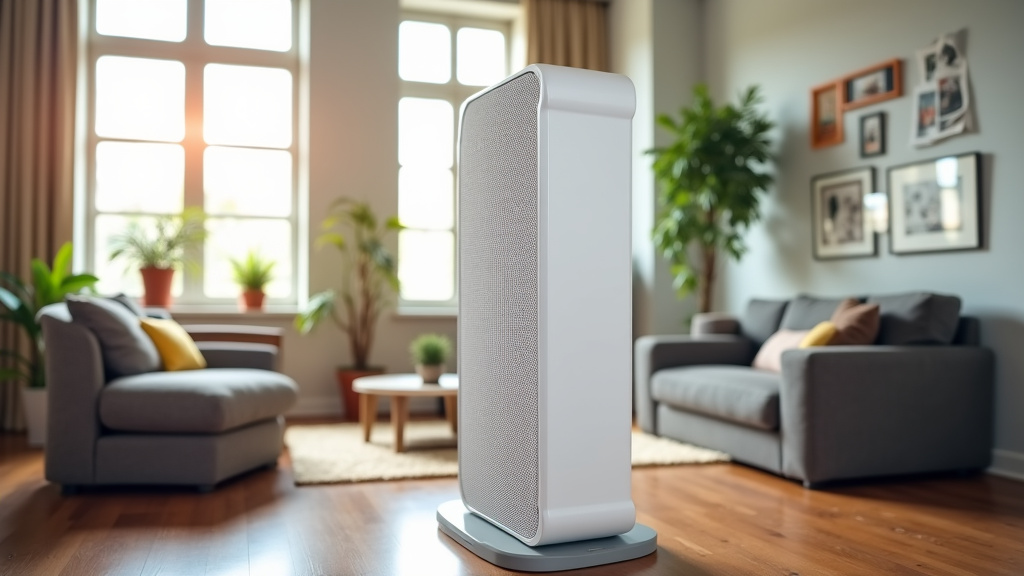
When is a HEPA Filter Most Useful for Smoke?
HEPA filters are a fantastic tool for improving indoor air quality when smoke is present. Let’s consider some common scenarios where they make a real difference.
Wildfire Smoke
This is where HEPA filters often prove their worth. Wildfire smoke can carry fine particles and irritants for miles. If smoke is affecting your area, running an air purifier with a True HEPA filter can significantly reduce the amount of harmful particles inside your home.
We found that during wildfire events, the demand for air purifiers with HEPA filters surges. Many health organizations recommend them as a way to create a “clean air room” when outdoor air quality is poor (California Air Resources Board).
Kitchen Smoke and Cooking Odors
Did you burn dinner? Oops! Even everyday cooking can produce smoke and lingering smells. A HEPA air purifier, especially one with activated carbon, can help clear the air and remove those unpleasant odors much faster than just opening a window.
For persistent cooking smells, a unit with a good carbon filter is key. It helps neutralize the airborne compounds that cause those smells, not just trap the particles.
Smoke from Fireplaces and Wood Stoves
If you enjoy a cozy fireplace or wood stove, you might notice some smoke escaping into your living space. While good ventilation is the primary solution, an air purifier can help capture any stray particles that make their way into the air.
It’s important to remember that an air purifier is not a substitute for proper ventilation and safety precautions when using fireplaces or stoves. Always ensure your chimney or flue is clean and drafting correctly.
General Indoor Air Quality Improvement
Even if you don’t have a specific smoke event, HEPA filters contribute to overall cleaner indoor air. They capture dust, pet dander, pollen, and other allergens. This means if smoke does occur, your air is starting from a cleaner baseline.
Many people find that using a HEPA air purifier year-round leads to fewer allergy symptoms and a generally more pleasant home environment.
A Quick Checklist for Smoke Relief
Ready to take on smoke with a HEPA filter? Keep these points in mind:
- Opt for “True HEPA.” Don’t settle for less.
- Check the CADR rating. Ensure it’s suitable for your room size, especially the smoke rating.
- Consider activated carbon. This is vital for tackling smoke odors.
- Look for a unit with a substantial carbon filter. More carbon means better odor removal.
- Factor in filter replacement costs. It’s an ongoing expense.
- Clean pre-filters regularly. This extends the life of your main filters.
Conclusion
You’ve learned that HEPA filters are a powerful ally against smoke in your home. They excel at capturing the harmful fine particles that make smoke a health concern. Remember to always look for “True HEPA” certification for guaranteed performance. For the best results with smoke, pair your True HEPA filter with a substantial activated carbon component to tackle those lingering odors. Ready to breathe easier? Your next step is to assess your home’s needs and choose an air purifier that meets the standards we discussed.
Frequently Asked Questions
Can a HEPA filter remove the smell of smoke?
True HEPA filters capture the tiny particles in smoke, but they don’t absorb odors. For smoke smell removal, you need an air purifier with a good activated carbon filter in addition to the HEPA filter. We found that more carbon generally means better odor elimination.
How often should I replace a HEPA filter if I’m dealing with smoke?
Smoke clogs filters faster than regular dust. While manufacturers provide general guidelines, you may need to replace your HEPA filter more frequently if you regularly deal with smoke. Check your air purifier’s manual and monitor its performance.
Are “HEPA-type” filters as effective as “True HEPA” for smoke?
No, “HEPA-type” or “HEPA-like” filters are not certified to the same standard as “True HEPA.” We recommend always choosing a “True HEPA” or “Certified HEPA” filter for smoke concerns to ensure it captures at least 99.97% of tiny particles.
Can an air purifier help with smoke from a fireplace?
Yes, an air purifier with a True HEPA filter can help capture stray smoke particles that escape from a fireplace. For the best effect, ensure the purifier has a robust activated carbon filter to address any associated odors.
Will a HEPA filter help if my neighbor is smoking outside?
If smoke from a neighbor is drifting into your home, a HEPA air purifier can help clean the air indoors. It will capture the fine particles of smoke that enter your space. Combining it with an activated carbon filter is also beneficial for any odors that get inside.