Do HEPA Filters Remove Viruses From the Air?
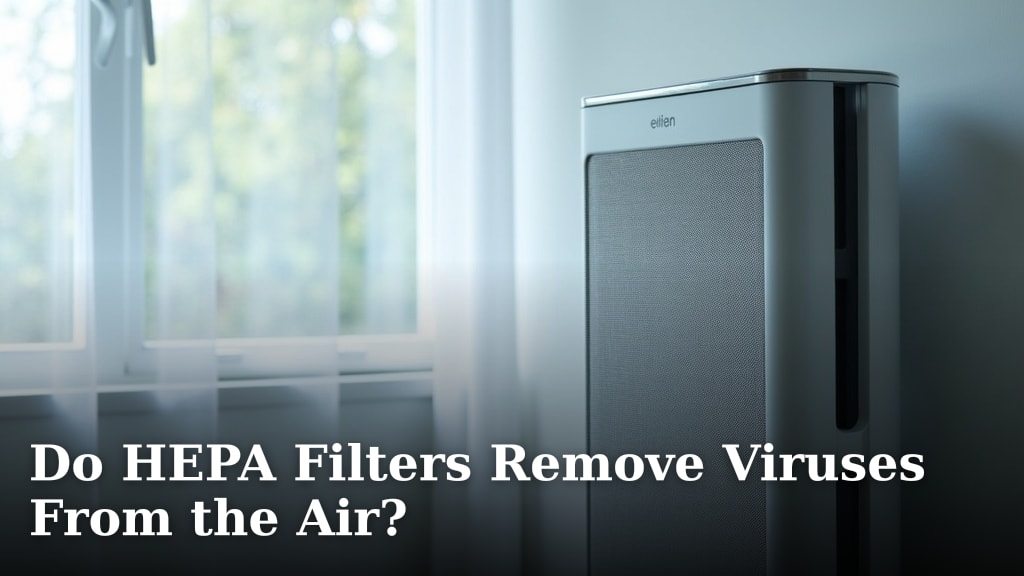
Yes, HEPA filters can effectively remove viruses from the air. They trap particles as small as 0.3 microns. This size includes most airborne viruses, making them great for improving indoor air quality.
HEPA stands for High-Efficiency Particulate Air. These filters use a dense mesh of fibers to capture tiny particles. While they don’t kill viruses, they physically trap them, preventing them from circulating. This helps reduce the spread of airborne illnesses in your home or office.
- HEPA filters trap particles, including viruses.
- They are designed to capture particles as small as 0.3 microns.
- They do not kill viruses but physically remove them from the air.
- Using HEPA filters can help reduce airborne illness transmission.
Let’s dive deeper into how HEPA filters work to clean your air and what that means for your health.
How HEPA Filters Tackle Airborne Viruses
So, can HEPA filters actually get rid of viruses floating around in your air? The short answer is yes, they absolutely can. Think of your HEPA filter like a super-fine net for your air. It’s designed to catch even the tiniest particles you can’t see. Our guide on air purifier vs air cleaner explains the difference.
HEPA stands for High-Efficiency Particulate Air. This isn’t just a fancy name; it means these filters are built to be incredibly efficient at trapping microscopic bits. Research shows they are highly effective at capturing particles down to 0.3 microns. This is a key size for trapping many airborne viruses.
Understanding the “Micron” Measurement
What exactly is a micron? It’s a tiny unit of measurement, one-millionth of a meter. To give you an idea, a human hair is about 50 to 100 microns wide. Most viruses are much, much smaller than that.
For example, the influenza virus is typically between 0.08 to 0.12 microns. Coronaviruses, like the one that causes COVID-19, are generally around 0.1 microns. Because these viruses are smaller than the 0.3-micron standard HEPA filters are rated for, you might wonder how they work.
It turns out that particles smaller than 0.3 microns can also be effectively captured. This happens through a process called diffusion. Smaller particles move more randomly and erratically, which increases their chances of colliding with and sticking to the filter fibers. So, even though a virus might be smaller than 0.3 microns, it doesn’t slip through; it gets caught by the filter.
The HEPA Filter’s Capturing Mechanism
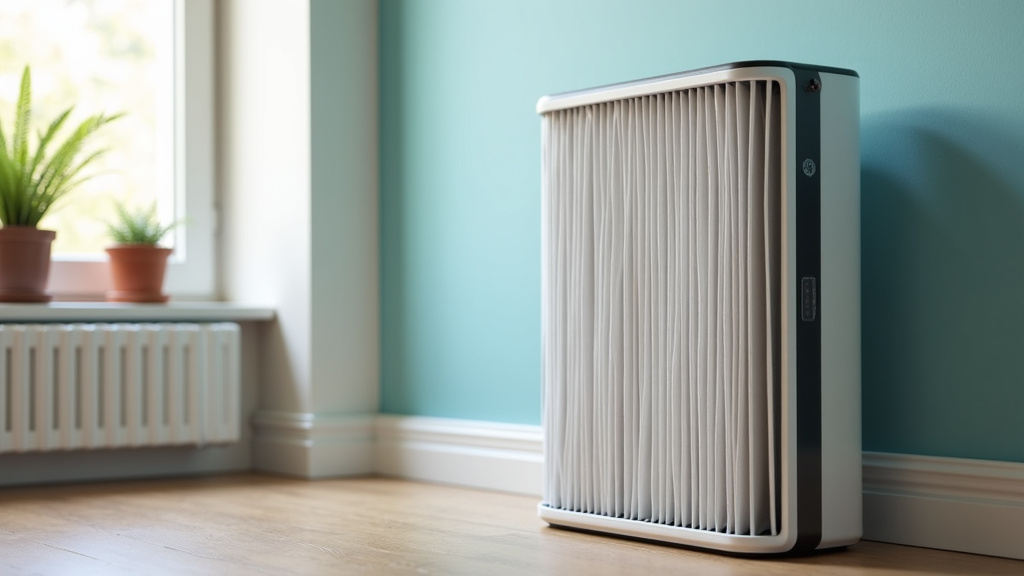
How does this happen physically? HEPA filters aren’t just flat screens. They’re made of a dense mat of randomly arranged fibers. These fibers create a tortuous path for the air to travel through.
As air moves through the filter, particles get trapped in a few ways:
- Interception: Larger particles directly hit and stick to the fibers as they flow past.
- Impaction: Very large particles can’t follow the airflow around the fibers and slam directly into them.
- Diffusion: Tiny particles, like viruses, move in a zigzag pattern. This random movement makes them more likely to bump into and get stuck on a fiber.
So, while a virus is smaller than the 0.3-micron rating, it’s still efficiently removed from the air. Studies from sources like the Centers for Disease Control and Prevention (CDC) have highlighted the importance of air filtration for reducing the transmission of airborne pathogens.
HEPA Filters vs. Virus Killing: What’s the Difference?
It’s important to understand what HEPA filters *do* and *don’t do*. They are physical barriers, not sterilizers. This distinction is crucial for managing your expectations and understanding their role in air purification.
Capturing vs. Killing: A Simple Analogy
Imagine your HEPA filter is like a very effective bouncer at a club. The bouncer’s job is to stop people (particles, including viruses) from getting inside. They physically block them from entering the main area. But the bouncer doesn’t harm or kill the people they stop; they just prevent them from coming in.
Similarly, a HEPA filter physically traps viruses and other tiny particles on its fibers. It removes them from the air that passes through. It doesn’t use any chemicals or processes to kill or inactivate the viruses themselves.
Why Physical Removal is Still Beneficial
Even without killing, removing viruses from the air is a big win for your health. When a virus is trapped in a HEPA filter, it can no longer circulate and potentially infect someone. This significantly reduces the concentration of viruses in the air you breathe.
For spaces where people gather, like homes, offices, or schools, this physical removal is incredibly important. It helps create a safer indoor environment. The American Society of Heating, Refrigerating and Air-Conditioning Engineers (ASHRAE) often recommends improved ventilation and filtration, including HEPA filters, as part of strategies to reduce the spread of airborne diseases.
What About Other Air Purifier Technologies?
You might see air purifiers that claim to “kill” viruses using UV light or ionization. While these technologies can sometimes work, they come with their own considerations. Some UV lights might not be powerful enough or have long enough contact times to be fully effective against all viruses. Ionizers can produce ozone, which can be harmful to respiratory health, especially for those with asthma or allergies (Environmental Protection Agency – EPA).
HEPA filters, on the other hand, offer a straightforward, chemical-free method of particle removal. Their effectiveness is well-documented and doesn’t rely on processes that could introduce other air quality concerns. When looking for the best way to clean your air of particles, a true HEPA filter is a solid choice.
Where HEPA Filters Shine in Your Home
Now that you know how HEPA filters work, let’s talk about where they can make the biggest difference in your living space. Their ability to capture tiny particles makes them useful in many scenarios.
Improving General Indoor Air Quality
Even if viruses aren’t your primary concern, HEPA filters do wonders for your overall indoor air. They capture dust, pollen, pet dander, mold spores, and other allergens. This can lead to fewer allergy symptoms and a generally fresher-smelling home.
Many people find that using an air purifier with a HEPA filter helps them breathe easier. This is especially true if you live in an area with high outdoor pollution or have pets.
Targeting High-Risk Areas and Times
Are there places or times when air filtration becomes even more important? Absolutely. Think about:
- Sick Rooms: If someone in your household is ill, placing an air purifier with a HEPA filter in their room can help contain airborne virus particles. It stops them from spreading easily into other parts of the house.
- Overcrowded Spaces: Rooms where many people gather, like living rooms during parties or shared office spaces, can benefit greatly. More people mean more potential for airborne particles.
- Seasonal Allergy Peaks: During times when pollen counts are high or mold is prevalent, HEPA filters act as a protective barrier. They clean the air before allergens can bother you.
- Winter Months: When we tend to spend more time indoors with windows closed, air can become stagnant. Air purifiers help ensure the air remains fresh and free of circulating germs.
The Role of Air Purifiers in a Healthy Home Strategy
It’s wise to see HEPA air purifiers as part of a larger healthy home strategy. They work best alongside other good practices. These include regular cleaning, proper ventilation, and hand hygiene.
Using a true HEPA filter means you’re investing in a proven technology. It’s not about magic; it’s about physics and engineering. The National Institutes of Health (NIH) has published research on the role of air filtration in preventing the spread of infectious diseases, underscoring the importance of effective filter technologies like HEPA.
Choosing the Right HEPA Air Purifier
Not all “air purifiers” are created equal. When shopping, look for the term “True HEPA”. This means the filter meets the strict efficiency standards set by the U.S. Department of Energy. These filters must capture at least 99.97% of airborne particles 0.3 microns in size.
Some products might use “HEPA-type” or “HEPA-like” filters. These are usually less effective and don’t meet the same rigorous standards. Always check the specifications to ensure you are getting a genuine HEPA filter for the best performance.
Key Takeaways for Cleaner Air
Let’s recap the main points. HEPA filters are excellent tools for improving your indoor air quality. They physically trap a wide range of particles, including many common airborne viruses. While they don’t kill these viruses, their removal from the air is a critical step in reducing the risk of transmission.
Here’s a quick checklist to keep in mind:
- Look for “True HEPA” filters for guaranteed performance.
- Understand HEPA filters capture particles physically, they don’t kill them.
- They are effective against particles down to 0.3 microns, and even smaller ones.
- Use them in areas where people gather or when someone is sick.
- HEPA filters complement, but don’t replace, other health practices.
- Change your HEPA filters regularly according to manufacturer instructions.
By understanding how HEPA filters work, you can make informed decisions about your home’s air quality. It’s a simple, effective way to create a healthier living environment for you and your family.
Conclusion
You’ve learned that HEPA filters are a proven way to improve your indoor air. They physically trap airborne viruses, capturing particles as small as 0.3 microns, and even smaller ones through diffusion. This physical removal significantly reduces the concentration of germs in your home. Remember to always look for “True HEPA” filters for the best results. By incorporating a HEPA air purifier into your routine, you’re taking a smart step towards a healthier living space.
Frequently Asked Questions
Do I need a HEPA filter if I’m not worried about viruses?
Yes, HEPA filters are beneficial even if viruses aren’t your main concern. They also capture common allergens like dust, pollen, pet dander, and mold spores. This helps reduce allergy symptoms and makes your indoor air feel fresher and cleaner.
Can HEPA filters remove viruses that are smaller than 0.3 microns?
Yes, they can. While HEPA filters are rated for 0.3 microns, smaller particles like viruses are effectively captured through a process called diffusion. These tiny particles move erratically, increasing their chances of colliding with and sticking to the filter fibers.
How often should I replace my HEPA filter?
You should replace your HEPA filter according to the manufacturer’s instructions, typically every 6 to 12 months. Filter performance degrades over time, so regular replacement ensures it continues to capture particles effectively.
Are “HEPA-type” or “HEPA-like” filters as good as “True HEPA”?
No, “HEPA-type” or “HEPA-like” filters are generally not as effective as “True HEPA” filters. For guaranteed performance, always look for the “True HEPA” certification, which means the filter meets strict U.S. Department of Energy standards.
Can a HEPA air purifier replace other health practices like hand washing?
No, a HEPA air purifier is part of a larger healthy home strategy. It complements, but does not replace, other important practices like regular cleaning, proper ventilation, and good hand hygiene. It’s one tool among many for maintaining good health.