How Are HEPA Filters Rated? Grades and Numbers
HEPA filters are rated based on their ability to capture tiny particles. A true HEPA filter must trap at least 99.97% of particles that are 0.3 microns in size. This is a standard set by the U.S. Department of Energy, ensuring they are highly effective at cleaning your air. You’ll often see numbers like HEPA H13 or H14, which indicate even higher filtration levels.
These ratings tell you how well an air purifier or filter can remove common allergens and pollutants. Things like dust, pollen, pet dander, and even some bacteria are targeted. Understanding these ratings helps you choose the best filter for your needs, whether for allergies or general air quality improvement. It’s a key number for determining performance.
- HEPA filters capture 99.97% of 0.3-micron particles.
- Higher ratings like H13 and H14 mean even better filtration.
- Ratings help you choose the right filter for allergies or air quality.
- This standard is set by the U.S. Department of Energy.
Ready to understand these grades and numbers better? Let’s break down exactly what they mean for your home.
Understanding HEPA Filter Ratings: Grades and Numbers Explained
You’ve heard of HEPA filters, and you know they’re good for cleaning the air. But what do those numbers and letters actually mean? It’s not just marketing jargon. These ratings tell you exactly how effective a filter will be at trapping tiny particles from your home’s air. We’re here to help you make sense of it all, so you can choose the right filter for your needs, whether you’re battling allergies or just want cleaner air. Understanding HEPA ratings can help you differentiate between an air purifier vs air cleaner.
What Makes a Filter “True HEPA”?
Before we dive into the grades, let’s define what a “true HEPA” filter is. This isn’t just any filter that claims to be HEPA. The standard is quite specific and backed by government requirements. Think of it like a seal of approval for air filtration performance.
The 99.97% Rule
A filter earns the “true HEPA” title by meeting a very precise standard. It must be able to capture at least 99.97% of all airborne particles that are 0.3 microns in size. This is a key number, and it’s not just pulled from thin air. The U.S. Department of Energy set this benchmark.
Why 0.3 Microns?
You might wonder why 0.3 microns is the magic number. It’s not because it’s the smallest particle out there. Actually, particles both smaller and larger than 0.3 microns exist. So why this specific size? Research and testing have shown that 0.3 microns is often the most difficult particle size for filters to capture effectively. Particles smaller than 0.3 microns tend to follow the airflow more easily, while larger particles are typically easier to trap. By excelling at this “worst-case” size, a true HEPA filter proves its superior capture capabilities across a wide range of particle sizes.
Decoding the HEPA Grades: H Numbers
When you look at HEPA filters, especially for higher-end air purifiers, you’ll often see grades like H13 or H14. These aren’t just random labels; they represent different levels of filtration efficiency. Higher numbers generally mean better performance, but it’s good to know the specifics.
Understanding EN 1822 Standards
These H numbers come from a European standard called EN 1822. This standard specifically tests filters for air filtration systems. It’s a way to classify how well filters perform at removing very small particles. Many manufacturers use this standard to rate their HEPA filters, giving you a more detailed picture of their capabilities.
HEPA H13 Filters
An H13 filter is a very capable air cleaner. It’s considered “true HEPA” because it meets the 99.95% efficiency requirement at the most penetrating particle size (MPPS). For practical purposes, this means it captures at least 99.95% of particles 0.1 to 0.2 microns and larger. This is excellent for most common household air pollutants, including dust, pollen, mold spores, and pet dander. Many people find H13 filters provide a significant improvement in air quality.
HEPA H14 Filters
Stepping up, the H14 filter is even more efficient. It must capture at least 99.995% of particles at the MPPS. This means it’s even better at trapping the smallest particles that might escape other filters. For individuals with severe allergies, asthma, or those living in areas with significant air pollution, an H14 filter offers a higher level of protection. It’s like having an extra-fine net for your air.
What About Other “HEPA-Type” Filters?
Be aware that not all filters labeled “HEPA” are actually “true HEPA.” Some might be called “HEPA-type” or “HEPA-like.” These filters may capture a good amount of particles, but they don’t meet the strict 99.97% at 0.3 microns standard set by the U.S. Department of Energy or the EN 1822 standards for H grades. They might be cheaper, but they won’t offer the same level of air purification. Always look for “true HEPA” or filters that meet the specific micron and percentage requirements.
How Filtration Efficiency is Measured
The ratings aren’t just guesswork. There’s a scientific process behind them. Understanding how this testing is done can give you more confidence in the numbers you see.
The Test Dust Method
One common way filters are tested is using “test dust.” This is a standardized mixture of particles designed to represent common airborne contaminants. The filter is exposed to a known amount of this dust, and then scientists measure how much of it gets through. This helps determine the filter’s efficiency.
Particle Size Distribution
Modern testing, especially for HEPA filters, often looks at a range of particle sizes. They might use a special aerosol to test the filter’s performance across different sizes, including the critical 0.3-micron range. This gives a more accurate picture of how the filter performs against real-world airborne particles, which come in many different sizes.
Filter Efficiency vs. Airflow
It’s a balancing act. A filter that’s too dense might capture almost everything, but it could also significantly restrict airflow. This means your air purifier might have to work harder, be louder, and might not move enough air to clean your room effectively. Manufacturers aim for a balance between high filtration efficiency and good airflow. The HEPA ratings help ensure you get effective cleaning without choking your air purifier.
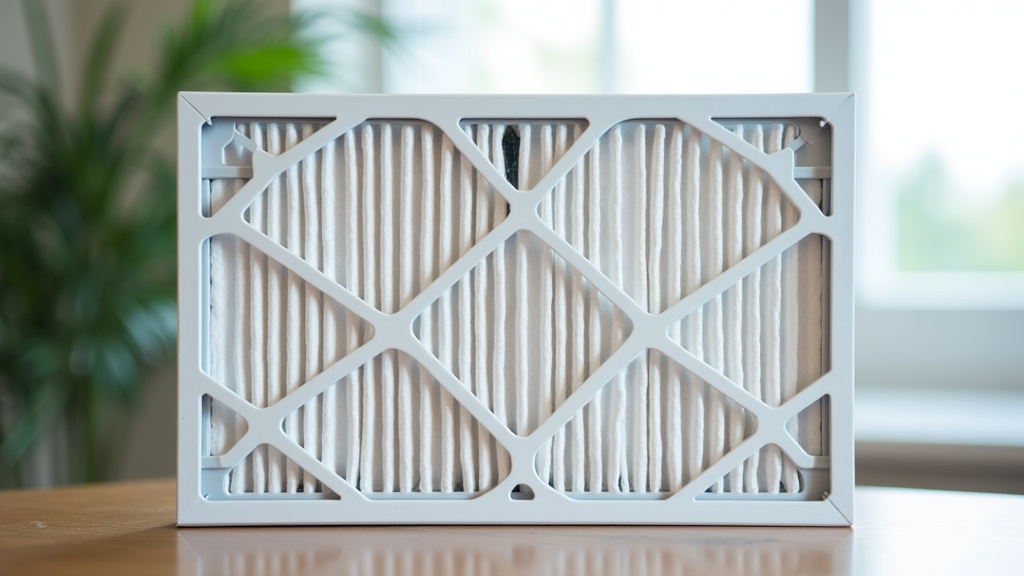
Grades and Numbers: A Quick Comparison
Let’s put the common HEPA ratings side-by-side so you can easily see the differences.
| Rating | Minimum Efficiency (at MPPS) | Typical Particle Capture | Common Use Cases |
|---|---|---|---|
| True HEPA (US DOE Standard) | 99.97% at 0.3 microns | Captures 99.97% of 0.3-micron particles | General home use, allergies, pets |
| HEPA H13 (EN 1822) | 99.95% at MPPS (approx. 0.1-0.2 microns) | Captures 99.95% of particles 0.1 microns and larger | High-efficiency home use, moderate allergies |
| HEPA H14 (EN 1822) | 99.995% at MPPS (approx. 0.1-0.2 microns) | Captures 99.995% of particles 0.1 microns and larger | Severe allergies, asthma, high pollution environments |
Putting HEPA Ratings to Work for You
Now that you understand the numbers, how do you use this information when shopping? It’s about matching the filter’s capability to your specific needs.
For General Air Quality
If you’re looking to improve the overall air quality in your home, reduce common dust, and capture general allergens like pollen and pet dander, a true HEPA filter (meeting the 99.97% at 0.3 microns standard) is usually more than sufficient. This is the most common rating you’ll find and provides excellent results for most households.
For Allergy and Asthma Sufferers
If you or someone in your home suffers from severe allergies or asthma, you might consider filters with higher ratings, such as HEPA H13 or H14. These filters are more effective at capturing smaller particles, including some bacteria and viruses, which can be triggers for respiratory issues. While H13 is excellent, H14 offers an extra layer of assurance for those who need the absolute best.
Consider the “What Else”
Remember that HEPA filters are primarily for particulate matter. Many air purifiers also include other filters, like activated carbon filters, to tackle odors and gases. A good air purifier often combines a true HEPA filter with other types of filtration for a more complete air cleaning solution.
Your HEPA Filter Checklist
When you’re ready to pick an air purifier or replacement filter, keep these points in mind:
- Look for “True HEPA” on the packaging.
- Check if it meets the 99.97% at 0.3 microns standard (US DOE).
- For higher efficiency, look for HEPA H13 or H14 ratings (EN 1822).
- Understand that H14 offers higher particle capture than H13.
- Be wary of “HEPA-type” or “HEPA-like” filters – they aren’t the same.
- Consider other filters (like carbon) if odors are also a concern.
Conclusion
You’ve learned that HEPA filter ratings aren’t just labels; they’re your guide to cleaner air. Understanding the 99.97% at 0.3 microns standard for “true HEPA” and the higher efficiencies of H13 and H14 grades empowers you to choose the right filtration. Don’t get swayed by “HEPA-type” claims – always look for verified standards. By matching the filter’s capabilities to your needs, whether for general freshness or serious allergy relief, you can confidently make a choice that improves your home environment. Take the next step by checking the specific ratings on air purifiers or filters you’re considering.
Frequently Asked Questions
What’s the difference between “True HEPA” and “HEPA-Type”?
A “True HEPA” filter, as defined by the U.S. Department of Energy, must capture at least 99.97% of particles 0.3 microns in size. “HEPA-type” or “HEPA-like” filters may capture many particles but do not meet this strict standard, offering less reliable performance.
Are HEPA H13 and H14 filters always better than the US DOE standard?
HEPA H13 and H14 filters, based on EN 1822 standards, often capture even smaller particles with higher efficiency (99.95% and 99.995% respectively at the most penetrating particle size). For most homes, “True HEPA” is excellent, but H13/H14 offer enhanced performance for severe allergies or sensitivities.
Does a higher HEPA number mean a louder air purifier?
A higher HEPA rating (like H14 vs. H13) means the filter is denser, which can sometimes mean slightly reduced airflow. However, manufacturers balance this with fan design, so noise levels depend more on the air purifier’s overall engineering than just the HEPA grade alone.
How can I be sure a filter actually meets its HEPA rating?
Look for clear labeling that specifies “True HEPA” and the standard it meets (U.S. DOE or EN 1822). Reputable brands will often provide testing data or certifications to back up their filter’s performance claims.
If I have a HEPA filter, do I still need other types of filters?
HEPA filters are designed for solid particles like dust and dander. If you also want to address odors, smoke, or volatile organic compounds (VOCs), you’ll need an additional filter, typically an activated carbon filter, often found alongside HEPA filters in a complete air purification system.