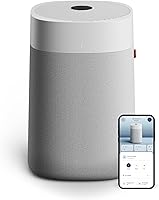
How to Choose an Air Purifier
To buy the right air purifier, match its CADR and room coverage to your space, then check the filter type, noise, controls and replacement cost. Your air concern, room layout and daily habits should guide the final choice.
On this page (13 sections)
- How do you choose an air purifier for your room size?
- Which air purifier should you buy for dust, pollen and pet dander?
- Do you need carbon filtration for odors?
- Should you buy replacement filters or a complete purifier?
- What controls should an air purifier have?
- How quiet should an air purifier be?
- Do air purifiers work with windows open?
- Is a UV air purifier the right choice?
- How much does it cost to own an air purifier?
- How do Levoit, Honeywell and Coway compare?
- What should you check before buying?
- How to buy an air purifier for your home
- The final decision should fit your room, air concern and maintenance habits. If you are unsure whether a purifier belongs in your plan, start with can air purifiers make you sick and review placement and care before you buy.
To buy the right air purifier, match its CADR and room coverage to your space, then check filtration, noise, controls and replacement costs. The best choice for a bedroom may not be the best choice for a large living room, pet area or open floor plan.
Start by identifying what you want to reduce. Dust, pollen, smoke and pet dander need particle filtration.
Odors and some gases call for activated carbon or another deodorization stage. If you are unsure whether filtration is necessary for your home, read do i need an air purifier before comparing models.
How do you choose an air purifier for your room size?
Choose a purifier by room coverage and CADR, not by cabinet size alone. A larger room, open doorway or high ceiling can require more airflow than a small closed bedroom.
CADR means Clean Air Delivery Rate. It describes how quickly a purifier delivers filtered air for specific pollutants, commonly smoke, dust and pollen.
Higher CADR can clean a room faster, but the stated coverage still depends on room conditions and the way the unit is used.
Measure the room's length and width, then multiply them to estimate floor area. For an open plan, add the connected spaces that share air.
A purifier placed in one corner may not clean distant rooms as quickly as a unit positioned where air moves freely.
Look for separate CADR figures when they are available. Smoke CADR is useful for fine particles, while dust and pollen CADR help compare performance for common household allergens.
Do not treat a single coverage number as proof that every part of an open home receives the same airflow.
A purifier with more capacity can give you room to run it at a lower setting. That may matter in a bedroom, where noise affects whether you use the machine consistently.
Which air purifier should you buy for dust, pollen and pet dander?
For dust, pollen and pet dander, choose a particle filter with a suitable CADR, then make sure the unit can run comfortably for long periods. Pet hair may collect on the pre-filter, while smaller dander and airborne particles need finer filtration.
The Levoit Air Purifier for Home Pets Hair has a 143 CFM CADR and separate CADR figures of 153 CFM for dust and 167 CFM for pollen. Its title identifies use around pets, hair and allergens, while its 3-in-1 filtration system includes a 3-stage original filter.
Levoit identifies the Core 300-P as AHAM verified and gives it a 222 ft² room rate of 4.8 air changes per hour. Its stated 1,073 ft² figure is based on one air change per hour, so the smaller room figure is the more useful comparison when you want faster cleaning.
Its Sleep Mode is rated at 24 dB, and the display can be turned off. A timer offers 2, 4, 6 or 8 hours, while a filter indicator helps you plan maintenance.
The unit is 8.7 in deep, 8.7 in wide and 14.2 in high, weighs 7.9 lb and uses a 120V AC power source.
Levoit states that its filter provides 99.97% filtration efficiency for 0.1 to 0.3 micron airborne particles, including pollen, dust and animal dander allergens, based on independent laboratory testing. The brand recommends official replacement filters and suggests changing them every 6 to 8 months.
Choose this type of purifier if your priority is a compact bedroom or office unit with a quiet sleep setting. Check the voltage before buying because this model is intended for use in the United States.
Do you need carbon filtration for odors?
Choose activated carbon or deodorization filtration when odors and some volatile organic compounds are part of your concern. A particle filter can capture airborne particles, but it does not serve the same role as a carbon stage.
Carbon performance varies with the amount and design of carbon, airflow and the source of the odor. Cooking smells, smoke and pet odors can also come from surfaces and fabrics, so an air purifier works best alongside source control and ventilation when conditions allow.
The COWAY Air Purifier for Home Up uses four filtration stages: a washable pre-filter, deodorization filter, bipolar device and HEPA filter. Its title also identifies smoke, allergies, pet dander, odor, an air quality monitor, Auto and Eco modes, a timer, a filter indicator and a 3-year warranty.
Coway describes this model as cleaning spaces up to 1,748 ft² in 60 minutes. That is a broad coverage claim, so compare it with the cleaning speed you want and the size of the room where it will operate.
The air quality indicator uses a pollution sensor and a colored LED to show indoor conditions. Auto Mode adjusts the fan as air quality changes, while Eco Mode can reduce unnecessary operation.
The display light can be turned off for sleep.
The AP-1512HH(W) measures 9.6 x 16.8 x 18.3 in and weighs 12.5 lb. Its filter indicator tells you when filters need replacement, and the pre-filter needs cleaning for efficient operation.
Choose this style if automatic control and a visible air-quality signal matter to you. It is larger and heavier than the Levoit, so measure the intended location before buying.
Should you buy replacement filters or a complete purifier?
Buy a complete purifier when you need the motor, fan, controls and housing. Buy replacement filters only when you already own a compatible purifier and have confirmed the exact model family.
The Honeywell HEPA Air Purifier Filter R, 3-Pack Air Filter Replacements is a filter product, not a complete air purifier. It includes 3 filters and is designed for Honeywell HPA094, HPA100, HPA200, HPA250, HPA300, HPA3100, HPA3300, HPA5100, HPA5200 and HPA5300 series purifiers.
Honeywell identifies these as pleated fiberglass filters with an MERV 16 rating. They help capture 99.97% of dust, pollen, pet dander, dust mite debris and smoke from the air that passes through the filter.
The filters measure 6.69 in long, 4.88 in wide and 10.32 in thick. Honeywell recommends replacing the HEPA filter once per year, while pre-filters are sold separately.
Do not choose this product as your first purifier. Check the model number on your existing Honeywell unit, because a filter that looks similar may not fit or perform as intended.
Genuine filters also make the replacement schedule easier to plan.
What controls should an air purifier have?
Choose controls based on how much daily adjustment you want. Manual touch or button controls suit simple operation, while Auto Mode and air-quality sensors help when you want the purifier to respond without constant changes.
A timer can help in a bedroom or office if you want a defined run period. A filter indicator reduces guesswork about maintenance.
A display-off option matters if bright lights disturb sleep.
The Levoit has touch controls, a timer with 2, 4, 6 or 8-hour settings, Sleep Mode and a check-filter indicator. Its product data also states that the Core 300-P does not include Auto Mode or smart connectivity, so fan speed requires manual control.
The Coway includes Auto and Eco modes, an air-quality monitor, a timer and a filter indicator. Its sensor-based control may suit a living area where air conditions change, but the extra controls are useful only if you want the purifier to manage fan speed for you.
Avoid choosing features only because they sound advanced. A manual purifier that runs every day can be a better fit than a connected model you rarely adjust.
How quiet should an air purifier be?
Choose a purifier with a published low-speed or Sleep Mode noise figure if it will run beside your bed or desk. Noise depends on fan speed, room acoustics and placement, so the quietest setting may also clean air more slowly.
Levoit gives a 24 dB figure for Sleep Mode and includes a display-off option. That combination suits buyers who want overnight operation with less light and a stated low-noise mode.
For a living room, noise may be less important than airflow and automatic control. For a bedroom, consistent use matters more than a high maximum setting that you avoid because it is distracting.
Place the purifier where air can enter and leave freely. Do not push it into curtains, behind furniture or directly against a wall unless the instructions allow it.
Keep the power cord away from pets and stop using the unit if the cord or plug is damaged.
Do air purifiers work with windows open?
Air purifiers can still filter air with windows open, but open windows continually bring in new outdoor air, so the unit may take longer to reduce indoor particles. Close windows when you want the purifier to work on a contained indoor-air problem.
Your result also depends on outdoor pollution, wind, room layout and purifier capacity. Use ventilation when outdoor conditions are favorable, then close the windows when you need the purifier to maintain cleaner indoor air.
Read Do Air Purifiers Work With the Windows Open? for the trade-off between ventilation and filtration.
Is a UV air purifier the right choice?
UV is a separate technology from particle filtration, so do not choose a UV feature as a substitute for a suitable filter and CADR. First make sure the purifier addresses your main concern with airflow and filtration.
UV air-cleaning claims depend on exposure time, light intensity, airflow and how the system is designed. A short air path may not provide the same exposure as a system built around longer contact time.
If you are comparing UV models, read What Is a UV Air Purifier and How Does It Work? before treating the feature as a deciding factor.
How much does it cost to own an air purifier?
Ownership cost comes from filters, electricity and maintenance, not only the initial purchase. Compare the replacement interval, filter availability, power source and the fan setting you expect to use.
The Levoit recommends official filter replacement every 6 to 8 months. Honeywell recommends replacing its HEPA filter once per year, with pre-filters sold separately.
Coway uses a washable pre-filter and provides a filter indicator for replacement alerts.
A purifier with a washable pre-filter may reduce how often the main filter collects larger particles, but it still needs regular cleaning. Follow the care instructions for the specific unit and allow washable parts to dry fully before reinstalling them.
Power use depends on wattage, fan speed and operating time. The Levoit data identifies a 56W motor and a 120V AC power source.
Use that information as one part of the comparison, not as a promise of a particular electricity bill.
Filter availability also matters. A low-cost purifier is not a good long-term choice if compatible filters are difficult to find.
For Honeywell owners, confirm the HPA model before ordering the HRF-R3 replacement pack.
How do Levoit, Honeywell and Coway compare?
The best match depends on whether you need a complete purifier, a replacement filter, compact bedroom operation or automatic control.
| Option | Best fit | Key points to compare |
|---|---|---|
| Levoit Core 300-P | Bedroom, office and pet-related particle concerns | 143 CFM CADR, 222 ft² at 4.8 air changes per hour, 24 dB Sleep Mode, touch controls |
| Honeywell R 3-pack | Existing compatible Honeywell purifiers | 3 filters, MERV 16, 99.97% capture claim for listed particles, annual HEPA replacement |
| Coway AP-1512HH(W) | Larger spaces and automatic operation | Up to 1,748 ft² in 60 minutes, four-stage filtration, air-quality monitor, Auto and Eco modes |
The Levoit is the clearest fit for a compact purifier with a stated quiet mode and manual controls. Coway is the better match when automatic fan changes and an air-quality indicator matter more than a smaller cabinet.
Honeywell belongs in a maintenance plan rather than a first-time purifier comparison. It helps keep compatible HPA units working with replacement filters, but it does not provide the fan, controls or housing of a complete machine.
For a direct brand comparison, see Levoit vs Winix air purifier. If you are deciding between two Levoit and Blueair options, compare Levoit air purifier vs Blueair.
For another model comparison, read Coway AP-1512HH vs Airmega 200M.
What should you check before buying?
Check the room measurement, filter type, CADR, noise, controls and replacement plan before you order. These details tell you more about daily fit than a long feature list.
Use this final checklist:
- Measure the room and include connected space if the layout is open.
- Compare CADR for the particles you want to reduce.
- Check whether you need particle filtration, carbon, deodorization or several stages.
- Confirm the purifier is a complete unit, not a replacement filter.
- Measure the floor space and leave clear airflow around the cabinet.
- Choose manual controls, Auto Mode, a timer or an air-quality monitor based on your routine.
- Check the published noise figure if the purifier will run during sleep.
- Find the correct replacement filter and note its replacement schedule.
- Confirm voltage and placement requirements.
- Read the care instructions for pre-filters and washable parts.
If you are worried about illness or symptoms, an air purifier is not a substitute for medical care or for fixing a serious indoor-air source. Address smoke, mold, combustion problems and other sources directly when possible.
How to buy an air purifier for your home
To buy an air purifier, choose the right airflow first, then select filtration and controls that you will use every day. Pick the Levoit for a compact bedroom or office purifier with a stated quiet Sleep Mode, choose Coway for automatic monitoring and multi-stage filtration, or choose Honeywell R filters only for a compatible HPA purifier you already own.
The final decision should fit your room, air concern and maintenance habits. If you are unsure whether a purifier belongs in your plan, start with can air purifiers make you sick and review placement and care before you buy.
Frequently asked questions
How do I choose the right air purifier size?
Choose an air purifier with a stated room coverage and CADR that fit your room, then account for an open layout, high ceilings and the speed you want. A purifier rated for a larger space gives you more flexibility, but it still needs clear airflow around the unit.
What type of air purifier should I buy for allergies?
Choose a purifier with a HEPA or HEPA-grade particle filter and enough CADR for the room. Pollen, dust and pet dander are particles, while odors and some gases need an activated carbon or deodorization filter.
Check the replacement filter cost before buying.
Is a higher CADR always better?
A higher CADR generally means faster delivery of filtered air, but it is not the only buying factor. The purifier must fit the room, remain comfortable at its normal setting and use replacement filters you can find and afford.
Should I buy an air purifier with an air quality monitor?
An air quality monitor can help when you want automatic fan changes or a visible reading of indoor conditions. It is not required for basic filtration.
Choose one when the sensor, auto mode and display controls fit how you plan to use the purifier.
How much does it cost to own an air purifier?
Ownership cost includes replacement filters, electricity and any pre-filter care. Compare the replacement schedule, filter price, power use and expected fan speed before buying.
A lower purchase cost may not stay lower if filters need frequent replacement or are hard to find.