How to Choose a Smart Air Purifier Table
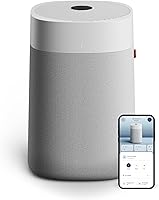
Choose a smart air purifier table by balancing its footprint, room airflow, usable tabletop space and connected controls. Measure the full unit and the clearance around it, then check whether the surface can hold what you plan to place there.
On this page (7 sections)
- What should you measure on a smart air purifier table?
- How does airflow affect placement?
- What connected controls are useful?
- How can you tell if the tabletop will be useful?
- Which product examples fit this kind of planning?
- How should you compare purifier size and usable space?
- What should you check before deciding?
A smart air purifier table needs enough open space to clean the room and enough usable surface for your everyday items. Measure the unit, check where air enters and exits, and confirm that app controls add useful convenience for your room.
Some shoppers mean a purifier with a flat top that can hold light items; others mean a smart purifier placed beside a table. These are different needs, so decide whether the tabletop is essential before comparing features.
For connected options, start with our best smart air purifier guide.
What should you measure on a smart air purifier table?
Measure the full footprint, height and open space around the purifier, then estimate how much of its top is safe and useful for your items. The outside dimensions alone don't show whether a lamp, book or drink will block an air outlet.
Write down the width and depth where the unit will sit. Add the clearance required by the manufacturer, especially near the intake and outlet, and measure the height to any shelf above it.
For a purifier used as an occasional surface, look for a stable top with no vent openings under the objects you plan to place there. Do not assume a flat top is designed to carry weight or to function as furniture; check the model instructions.
A dedicated side table can be the simpler choice when the purifier needs an open top. If floor space is limited, consider a small wall-mounted air purifier.
It lets you keep controls and airflow accessible while putting a drink, lamp or phone on a separate surface.
How does airflow affect placement?
Place a purifier where air can move freely through its intake and outlet, and choose capacity suited to the room. A smart app cannot make up for blocked vents or a unit that is too small for the space.
Check whether the unit pulls air from the sides, the back or another area, and note where cleaned air leaves the housing. Avoid pressing the purifier against curtains, furniture or a wall when that blocks an opening.
Room coverage figures need context. Compare the stated area with the room you plan to use, and look for the air changes per hour at that area when the manufacturer provides it.
A larger room or open floor plan may need a different purifier than a small bedroom.
Windows and doors also affect how a purifier works. If fresh outdoor air is entering, see our guide on whether air purifiers work with the windows open.
What connected controls are useful?
Useful smart controls let you check air quality, change fan settings or schedule operation without reaching the unit. Features vary, so confirm what the app actually controls and what still works from buttons on the purifier.
Before buying, check whether the model offers a timer, schedule, air-quality sensor, filter-life notice or voice assistant support. Consider which features you would use weekly rather than choosing a unit because it has the longest feature list.
Also check whether the purifier can run with its app disconnected. On-device controls matter if the Wi-Fi drops, you change routers or you want a guest to adjust the fan without installing an app.
Compare smart models by brand and room needs with our Coway smart air purifier picks and Dreo smart air purifier picks. For compact spaces, see smart air purifiers for small rooms.
How can you tell if the tabletop will be useful?
Estimate clear surface area after accounting for vents, controls and the shape of the housing. A top that looks broad in a product photo may leave little room for items once you preserve the purifier's air path.
Sketch the top dimensions on paper or mark them on a nearby surface. Test the objects you plan to keep there, such as a small lamp or a few books, and leave controls within reach.
Avoid placing food, drinks, electronics or anything fragile where vibration, airflow or accidental spills could cause a problem. If the unit's manual does not say the top can support objects, treat it as a purifier surface only.
Which product examples fit this kind of planning?
These products illustrate different placement and maintenance considerations, though none is described here as a smart tabletop model. Use them to compare practical trade-offs, not as substitutes for checking connected features and furniture dimensions.
The Honeywell Air Genius 5 has five cleaning levels, an optional night light, fan oscillation and a timer. Its washable filters may suit someone who prefers a reusable filter setup, but its height and floor-standing form make it a poor choice if you need a compact table surface.
This is a replacement filter rather than a complete purifier or furniture-style unit. It is designed for specific Honeywell HPA series models, so verify your purifier's model number before buying a replacement.
The HealthMate Plus uses a four-stage filter with activated carbon and zeolite, and Austin Air describes it for rooms up to 1,500 sq ft. Its height and weight make a tabletop setup impractical; consider it as a floor unit and check the space available around it.
For a separate distinction between the appliance types, read air purifier vs air cleaner. If you are choosing a dedicated room unit, our best smart air purifier guide covers connected options.
How should you compare purifier size and usable space?
Compare cabinet dimensions, room coverage and clearance together, rather than choosing by height or surface area alone. A compact top is not useful if it forces the purifier against a wall or into a tight corner.
| Check | What to measure or confirm | Why it matters |
|---|---|---|
| Footprint | Width and depth of the full housing | Confirms the unit fits its planned spot |
| Height | Unit height plus space above it | Helps avoid shelves or furniture blocking airflow |
| Intake and outlet | Location and required clearance | Protects the air path |
| Usable top | Open area that remains after vents and controls | Shows whether light items can sit there |
| Room fit | Stated room area and air changes per hour | Helps match capacity to the space |
| Access | Filter door, controls and cord reach | Makes setup and maintenance easier |
Measure the route from the door to the final spot if the purifier is heavy or bulky. For a portable option meant for a vehicle, compare our best portable air purifier for a car, since car use calls for different dimensions and power needs.
What should you check before deciding?
A smart air purifier table makes sense only when its controls, airflow and surface design all suit the room. If the manual does not support objects on top, pair a regular purifier with a separate table.
Use this quick decision rule: choose a table-style design when its approved surface is genuinely useful and its air openings stay clear. Choose a standard floor unit with a side table when you need stronger placement flexibility or a wider usable surface.
Check the model dimensions, room coverage, intake and outlet locations, app requirements and filter access before ordering. For a large-room unit with carbon filtration, compare the Austin Air HealthMate vs HealthMate Plus before deciding which configuration fits your needs.
Frequently asked questions
Can you use an air purifier as a table?
Only use an air purifier as a table if its design and instructions allow objects on top. A clear outlet and intake matter for airflow, and added weight can block vents or make a tall unit unstable.
Check the manual and leave the purifier's openings clear.
How much space should you leave around a smart air purifier?
Follow the clearance guidance for the specific purifier, since intake and outlet locations vary. Keep the air path open on every required side, with room to reach controls and remove filters.
A tight corner or placement under a low shelf can restrict airflow.
Does a smart air purifier need Wi-Fi?
Wi-Fi is needed for app features that rely on an internet connection, while basic fan and filter functions may work from onboard controls. Check which controls remain available without a network, and whether the app needs a specific band or setup process.
Is a table-style air purifier suitable for a small room?
It can suit a small room if its airflow capacity fits the room and the unit leaves enough space for furniture and circulation. Compare the purifier's stated room coverage and operating rate with your room size, then check the actual footprint and outlet clearance.