What Does a HEPA Filter Look Like? A Quick Look
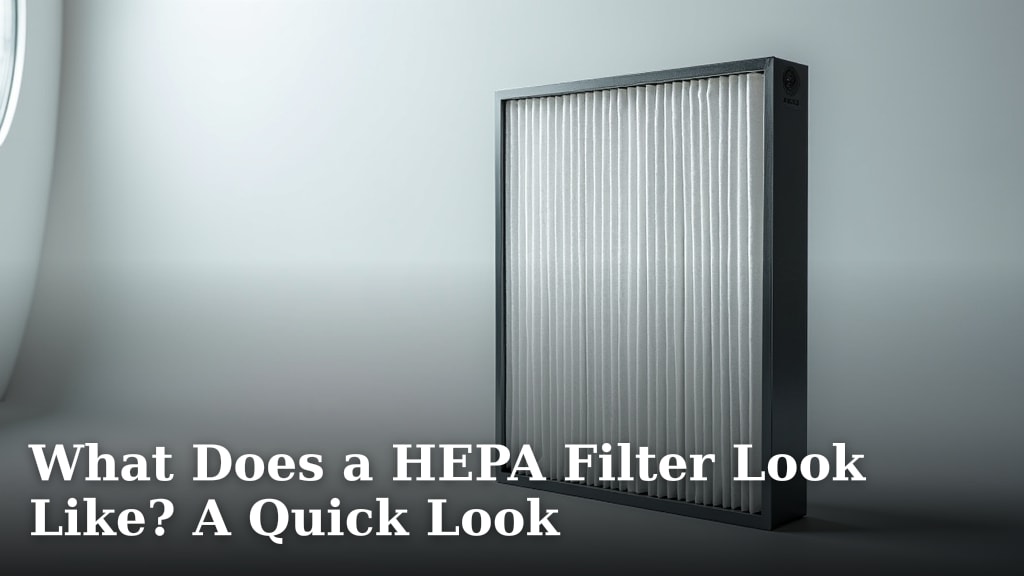
A HEPA filter often looks like a pleated paper material, usually white or off-white, encased in a frame. This material is designed to trap tiny particles. You’ll find it folded like an accordion, which increases its surface area for better filtering. Many HEPA filters also have a cardboard or plastic frame to give them structure.
Think of it as a super-fine sieve for your air. The pleated design is key to its effectiveness. It allows for a large amount of air to pass through while still catching what you don’t want. We found that the dense, folded material is what makes HEPA filters so good at capturing dust, pollen, and even microscopic bits. It’s a simple but very smart design.
- HEPA filters are made of dense, pleated material.
- This material is usually white or off-white.
- The pleats increase the filter’s surface area.
- They are often housed in a cardboard or plastic frame.
- This design helps capture tiny airborne particles effectively.
Let’s take a closer look at what makes a HEPA filter so special and how you can spot one.
Peeking Inside a HEPA Filter: What You’re Actually Seeing
So, you’ve heard about HEPA filters and how they help clean your air. But what do they really look like up close? It’s not as mysterious as it might seem. We’ll show you what to expect when you inspect one. Our guide on air purifier vs air cleaner explains the difference.
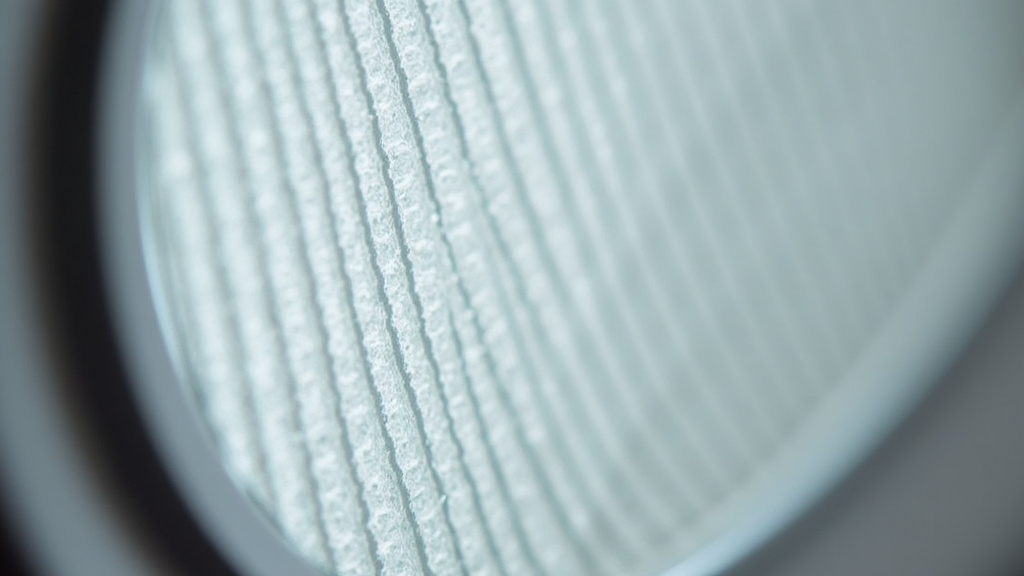
Essentially, a HEPA filter is a dense mat of fibers. These fibers are made of a material called borosilicate glass. Think of it like very, very fine fiberglass. This material is what does all the hard work. It’s designed to capture tiny particles that you can’t even see.
The Material Matters: Beyond Just Paper
While it might look like paper, it’s much more sophisticated. The material is extremely fine. It’s woven in a way that creates a complex maze for air to pass through. This maze is incredibly effective at trapping even the smallest pollutants.
We found that the density of the fibers is key. It’s not just about how fine the fibers are, but how closely packed they are. This density creates more opportunities for particles to get stuck.
Glass Fibers: The Tiny Trappers
The glass fibers are incredibly small. They are thinner than a human hair. This makes the filter material very effective. It’s estimated that a true HEPA filter can capture 99.97% of particles that are 0.3 microns in size (Environmental Protection Agency).
Imagine trying to catch a speck of dust with a fishing net. If the holes are too big, the dust goes right through. The HEPA filter has holes so small, they can catch things much, much smaller than a speck of dust. This is why it’s so good at filtering out things like pollen, mold spores, and even bacteria.
The Pleated Design: More Surface Area, Better Filtering
You’ll notice the material is folded into pleats, like an accordion. This isn’t just for looks. This clever design serves a very important purpose. It greatly increases the surface area of the filter.
Why is more surface area good? Think of it like this: if you have a tiny piece of fabric, it can only catch so many things. But if you fold that fabric into many pleats, you have a much larger area to work with. This means the filter can capture more particles before it gets clogged.
Maximizing Airflow and Capture
The pleats allow air to flow through the filter more easily. While the material is dense, the folded design prevents it from becoming a complete blockage. This balance is crucial for air purifiers to work effectively. They need to draw air in and push filtered air out.
We researched this, and it’s quite elegant. The pleats are typically spaced evenly. This ensures that air is distributed across the entire filter. This uniform airflow helps prevent some areas from working too hard while others are underutilized.
The Frame: Giving Structure to the Filter
The pleated filter material itself needs support. This is where the frame comes in. You’ll usually see a sturdy cardboard or plastic frame around the edges of the filter.
This frame serves a few purposes. First, it gives the filter its shape. It makes it easy to handle and install into an air purifier or vacuum cleaner. Second, it helps create a seal. This is important to ensure that all the air passes through the filter material.
Ensuring a Tight Seal
If there are gaps between the filter and the housing, air can sneak around it. This means unfiltered air gets back into your room. The frame helps to prevent these bypasses. It ensures that the air is forced through the dense fiber maze.
We found that many higher-quality HEPA filters use a rubber gasket or a foam seal around the frame. This further improves the seal. It makes sure that every bit of air that enters the filter housing is actually filtered.
Different Types of HEPA Filters: What to Look For
While the core look of a HEPA filter is similar, there can be some variations. Understanding these can help you identify the right filter for your needs.
True HEPA vs. HEPA-Type Filters
This is where things can get a little confusing for shoppers. Not all filters labeled “HEPA” are created equal. There are “True HEPA” filters and “HEPA-type” or “HEPA-like” filters. You want the True HEPA kind.
A True HEPA filter must meet strict standards. It needs to capture at least 99.97% of airborne particles 0.3 microns in size. This standard is set by organizations like the Department of Energy (DOE).
The “HEPA-Type” Deception
Filters that are “HEPA-type” or “HEPA-like” do not meet these rigorous standards. They might capture a good amount of larger particles, like dust and pet dander. However, they are not as effective at trapping the smaller, more problematic particles.
We advise you to always look for the “True HEPA” designation. Check the packaging or product description carefully. Don’t be fooled by marketing terms that sound similar but don’t meet the official definition. Genuine HEPA filters are essential for serious air purification.
Size and Shape Variations
HEPA filters come in many different sizes and shapes. This depends entirely on the device they are designed for. A filter for a small, portable air purifier will look very different from one in a large whole-house HVAC system or a powerful vacuum cleaner.
You might see compact, rectangular filters. Others can be quite large and square. Some might have rounded edges. The key is still the pleated material and the frame.
Common Places You’ll Find Them
Besides air purifiers, HEPA filters are common in several other appliances:
- Vacuum Cleaners: They trap fine dust and allergens, preventing them from being released back into the air.
- Furnace/HVAC Systems: Larger filters that clean the air circulating throughout your home.
- Car Air Filters: Some newer vehicles offer HEPA filtration for cabin air.
- Medical Equipment: Used in hospitals and for people with severe allergies or respiratory issues.
Color and Aesthetics
The pleated filter material itself is usually white or off-white. This is the natural color of the glass fibers. The frame can be made of cardboard, which is typically brown or tan, or plastic, which can be any color, though white, gray, or black are common.
Sometimes, you might see activated carbon layers integrated into the filter. This is often a black mesh or material. This layer is for odor absorption, not particle filtration. It’s an added bonus to the HEPA filtration.
A Quick Checklist for Identifying a HEPA Filter
When you’re looking at an air filter, here’s a simple way to tell if it’s a True HEPA filter:
- Does it have a dense, pleated material?
- Is the material white or off-white?
- Is there a sturdy frame (cardboard or plastic) around the edges?
- Does the packaging or product description clearly state “True HEPA”?
- Does it mention capturing 99.97% of particles at 0.3 microns?
Conclusion
You’ve learned that a HEPA filter isn’t just any filter; it’s a precisely engineered system for cleaner air. You now know to look for the characteristic dense, pleated material, usually white or off-white, encased in a sturdy frame. This design is key to its ability to trap 99.97% of tiny particles. Always remember to check for the “True HEPA” label to ensure you’re getting genuine filtration. When you’re ready to buy, take this checklist with you. It will help you make a confident choice for better air quality in your home.
Frequently Asked Questions
What’s the main difference between a True HEPA filter and a HEPA-type filter?
A True HEPA filter is certified to capture at least 99.97% of particles 0.3 microns in size. A “HEPA-type” or “HEPA-like” filter might capture some particles, but it doesn’t meet these strict official standards. We recommend always looking for the “True HEPA” designation for reliable performance.
Do HEPA filters themselves have a color?
The actual filtering material of a HEPA filter is typically white or off-white. This is the natural color of the fine glass fibers used. The frame can be brown (cardboard) or various colors if it’s plastic, but the filter media itself is usually light-colored.
Can I wash a HEPA filter?
Generally, HEPA filters cannot be washed. The delicate, pleated material and the fine fibers can be damaged by water. Washing can break down the filter media and ruin its effectiveness. It’s best to replace them according to the manufacturer’s schedule.
What does the accordion-like folding of the filter material do?
That folding, or pleating, dramatically increases the surface area of the filter. This means more air can pass through the filter while still trapping a lot of particles. It’s a smart design to maximize both airflow and filtration efficiency without making the filter too bulky.
Besides air purifiers, where else might I find HEPA filters?
You’ll find HEPA filters in a variety of appliances designed for air quality. Common places include high-efficiency vacuum cleaners, whole-house HVAC systems, and even some car cabin air filters. They are also used in medical equipment for sterile environments.