What Is a Photocatalytic Air Purifier? The Basics
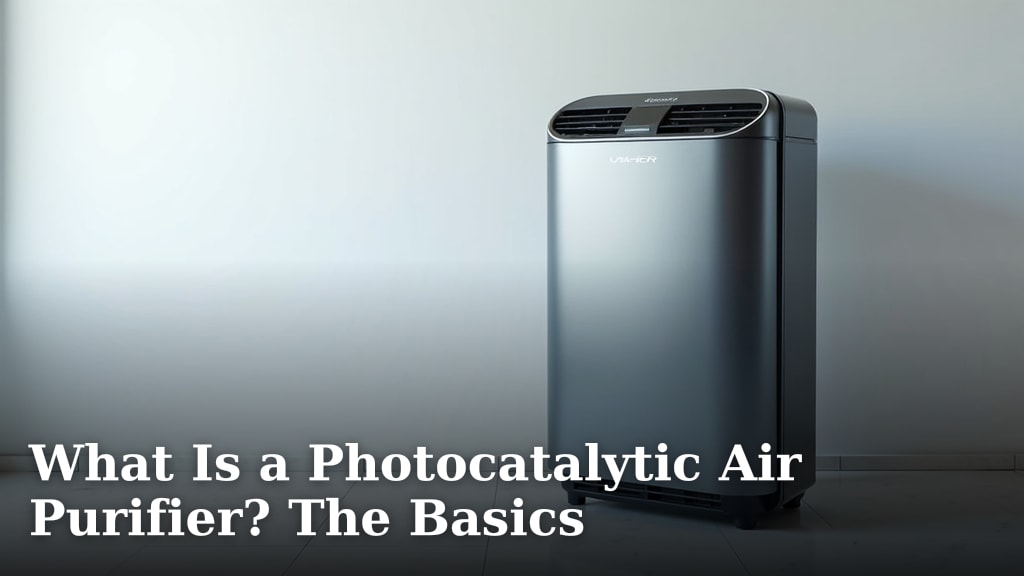
A photocatalytic air purifier uses a special coating and UV light to break down pollutants at a molecular level. This process helps to neutralize odors, allergens, and harmful chemicals in your air. Unlike many purifiers that just trap particles, this technology aims to destroy them.
This type of purifier is often seen as an advanced option for tackling stubborn airborne contaminants. It works by creating a reaction that essentially zaps away unwanted molecules. Many people are interested in this technology for its potential to offer a deeper clean beyond simple filtration.
- Photocatalytic purifiers use UV light and a coating.
- They break down pollutants, not just trap them.
- This can neutralize odors and chemicals.
- It’s a technology aimed at a thorough air cleaning.
Let’s walk through exactly what a photocatalytic air purifier is and how it can help keep your home’s air cleaner.
Understanding How Photocatalytic Air Purifiers Work
You’re probably wondering, “What exactly is happening inside that box?” A photocatalytic air purifier uses a clever combination of UV light and a special catalyst coating. Think of it like a miniature, high-tech chemical reaction happening right in your home. When airborne pollutants come into contact with the catalyst and are zapped by UV light, they are broken down into harmless substances like water and carbon dioxide.
This is different from typical air filters that just capture particles. Instead of just trapping things like dust or pollen, a photocatalytic purifier aims to neutralize them. We found this approach appeals to many people seeking a deeper clean for their air.
The Science Behind the Clean: Photocatalysis Explained
The core of this technology is a process called photocatalysis. The word itself breaks down: “photo” means light, and “catalysis” means speeding up a chemical reaction without being used up itself. So, photocatalysis is a chemical reaction that needs light to happen.
In an air purifier, the light source is usually a UV-C lamp. The catalyst is a material, often titanium dioxide (TiO2), applied as a coating to a surface inside the purifier. When UV light hits the TiO2, it creates reactive oxygen species. These are highly reactive molecules that then break down airborne pollutants.
The Role of Titanium Dioxide (TiO2)
Titanium dioxide is a common white pigment. It’s safe and widely used in things like sunscreen and paint. When it’s used in air purifiers, it’s typically applied as a thin coating. We found that its effectiveness comes from its ability to be energized by UV light, kicking off the purification process.
UV Light: The Trigger for the Reaction
The UV light in these purifiers is not meant to sterilize the air directly by killing germs, though that can be a secondary effect. Its primary job is to activate the catalyst. Without the UV light, the TiO2 coating would just sit there, doing nothing. The light is the switch that turns on the pollutant-destroying power.
What Pollutants Can It Tackle?
Photocatalytic purifiers are often marketed for their ability to handle a wide range of air contaminants. This includes things that filters alone might miss or struggle with. We’ve seen that they are particularly good at addressing:
- Volatile Organic Compounds (VOCs): These are gases emitted from paints, cleaning supplies, furniture, and more. Think of that “new car smell” or the strong scent after painting a room. They can cause headaches and other health issues.
- Odors: From cooking smells to pet odors, VOCs are often the culprits behind lingering smells. Photocatalysis breaks down the molecules causing these odors.
- Bacteria and Viruses: While not their primary function, the reactive oxygen species can also help neutralize some airborne microorganisms.
- Mold Spores: They can assist in breaking down mold fragments.
It’s important to note that while they can break down many things, their efficiency can vary. Research suggests that the effectiveness depends on factors like UV light intensity, the surface area of the catalyst, and the concentration of pollutants (NCBI).
How Photocatalytic Air Purifiers Compare to Other Types
You’ve likely seen other types of air purifiers on the market. Understanding how photocatalysis differs can help you make an informed choice. Most home air purifiers rely on filtration, while others might use different technologies. You’ve likely seen other types of air purifiers on the market, and understanding the air purifier vs air cleaner distinction can help you make an informed choice.
Filtration vs. Photocatalysis: A Key Difference
Standard air purifiers often use HEPA filters. These are excellent at trapping tiny particles like dust, pollen, pet dander, and mold spores. They work like a very fine sieve.
However, HEPA filters don’t do much for gases or odors. That’s where photocatalysis steps in. Instead of trapping, it destroys the offending molecules. This means it can tackle things like chemical fumes and persistent smells that a HEPA filter alone cannot.
Activated Carbon Filters
Another common filter is activated carbon. This material is highly porous and great at adsorbing (think sticky trapping) odors and gases. Many purifiers use a combination of HEPA and activated carbon filters for broad coverage.
Photocatalytic technology offers a different approach to gases and odors by breaking them down rather than just holding onto them. Some systems combine both filtration and photocatalysis for a multi-pronged attack on air pollutants.
Other Technologies to Consider
You might also encounter air purifiers using technologies like ionizers or ozone generators. We found that these can sometimes produce ozone as a byproduct, which can be an irritant for some people, especially those with respiratory issues (EPA). Photocatalytic systems, when designed properly, generally produce minimal or no ozone.
A Comparison Table: Understanding the Mechanisms
Let’s break down the basic function of common air purifier technologies:
| Technology | How It Works | What It’s Best At | Potential Downsides |
|---|---|---|---|
| HEPA Filtration | Traps particles using a fine mesh filter. | Dust, pollen, pet dander, mold spores, bacteria. | Doesn’t remove gases or odors. Filters need regular replacement. |
| Activated Carbon | Adsorbs (traps) gases and odors onto porous carbon. | Odors, VOCs, smoke. | Can become saturated and ineffective. Needs replacement. |
| Photocatalysis | Breaks down pollutants at a molecular level using UV light and a catalyst. | VOCs, odors, some germs, mold spores. | Effectiveness depends on UV intensity and catalyst surface. UV bulb needs replacement. |
| Ionizers | Emits negative ions that attach to particles, causing them to fall from the air. | Dust, smoke, allergens. | Can produce ozone. Particles may settle on surfaces. |
Things to Keep in Mind About Photocatalytic Purifiers
While photocatalytic air purifiers sound promising, there are a few important points to consider before you decide if one is right for your home. We’ve gathered some practical advice to help you.
Maintenance and Lifespan
Like any appliance, these purifiers need some care. The UV bulb will eventually burn out and need replacing, similar to how a lightbulb works. The exact lifespan varies by manufacturer, but it’s often measured in thousands of hours of use.
The catalyst coating itself doesn’t get used up, but it may need to be kept clean. Dust or other buildup could potentially reduce its effectiveness. We found that a gentle wipe-down of the coated surface, following manufacturer instructions, is usually sufficient.
Efficiency and Effectiveness Factors
The performance of a photocatalytic air purifier can depend on several things:
- UV Light Intensity: A stronger UV light source generally leads to a more robust reaction.
- Catalyst Surface Area: More surface area coated with the catalyst means more contact points for pollutants.
- Airflow: How quickly air passes over the catalyst and UV light is crucial. If the air moves too fast, the reaction might not have enough time to work.
- Pollutant Concentration: In highly polluted environments, the system might be overwhelmed.
It’s often recommended that these purifiers include a pre-filter to catch larger particles. This protects the inner workings and ensures the photocatalytic process can focus on smaller, gaseous pollutants.
Potential for Ozone Production
While good designs aim for minimal ozone, it’s something to be aware of. Some older or less refined photocatalytic systems might produce small amounts of ozone. We always advise checking product specifications and looking for certifications that confirm low or no ozone output. For example, CARB (California Air Resources Board) certification is a good indicator.
What to Look For in a Photocatalytic Air Purifier: A Quick Checklist
When you’re shopping, keep these points in mind:
- Check for Certifications: Look for safety certifications like CARB.
- Understand Replacement Parts: Know when and how often the UV bulb needs replacing.
- Read Reviews: See what actual users say about its effectiveness for odors and chemicals.
- Consider Combined Technologies: A unit with HEPA and carbon filters alongside photocatalysis might offer broader protection.
- Look at Coverage Area: Ensure the purifier is sized appropriately for your room.
- Review Maintenance Needs: How easy is it to clean or replace parts?
Conclusion
You’ve learned that a photocatalytic air purifier uses UV light and a catalyst to break down pollutants, offering a deeper clean than just filtration. This technology can tackle tough odors and VOCs that other purifiers might miss. While effective, remember to consider maintenance like UV bulb replacement and potential ozone levels. You can find units that combine this advanced method with HEPA and carbon filters for the most thorough air purification. Ready to breathe easier? Check product certifications and user reviews to find the right photocatalytic purifier for your home.
Frequently Asked Questions
Are photocatalytic air purifiers safe for my home?
When designed properly, photocatalytic air purifiers are generally safe. Look for models certified by organizations like CARB, which ensure low or no ozone production. Ozone can be an irritant, so choosing certified units is a smart step for your home’s air quality.
How often do I need to replace parts in a photocatalytic purifier?
The main component that needs replacement is the UV bulb, much like a regular lightbulb. The lifespan varies, but it’s typically measured in thousands of hours of use. The catalyst coating itself does not get used up but may need occasional cleaning.
Can a photocatalytic purifier eliminate all odors?
Photocatalytic purifiers are very effective at breaking down the molecules that cause odors, like those from cooking or pets. While they can significantly reduce most smells, their effectiveness can depend on the intensity of the odor and the purifier’s design.
Do photocatalytic purifiers work on viruses and bacteria?
While not their primary function, the reactive oxygen species created during photocatalysis can help neutralize some airborne viruses and bacteria. However, they are not typically relied upon as a primary method for germ disinfection. For germ concerns, consider purifiers with HEPA filters.
Should I choose a photocatalytic purifier over one with only a HEPA filter?
It depends on your main concerns. HEPA filters excel at trapping particles like dust and pollen. If you’re more worried about gases, chemical fumes, and strong odors, a photocatalytic purifier, or one that combines both HEPA and photocatalysis, might be a better choice for you.