What Is a Pre Filter in an Air Purifier?
A pre-filter in an air purifier is essentially the first line of defense. It’s a coarse layer designed to catch larger particles like dust, pet hair, and lint before they reach the more sensitive inner filters. Think of it as a screen door for your air cleaner.
Many air purifiers include this initial filter for a good reason. It helps extend the life of your other filters by trapping the biggest offenders. This means your air purifier can work more efficiently and potentially save you money on replacement filters over time. We found this feature to be quite common.
- A pre-filter catches big stuff like dust bunnies and pet fur.
- It protects your main filters from getting clogged too quickly.
- This can help your air purifier run better for longer.
- You might save money on replacement filters.
Let’s take a closer look at what a pre-filter does and why it’s an important part of your air cleaning setup.
Understanding Your Air Purifier’s Pre-Filter Role
So, what exactly is a pre-filter in an air purifier? Think of it as the initial gatekeeper for your air cleaning system. It’s a coarse layer, often made of mesh or a thin foam, designed to catch the largest particles floating around in your home. This includes things like visible dust, pet hair, and household lint.
This first stage of filtration is designed to be durable. Its main job is to prevent these bigger, bulkier debris from reaching the more delicate and expensive filters deeper inside the unit. We found that without a pre-filter, these larger items could quickly clog up finer filters, reducing their effectiveness.
Why Have a Pre-Filter at All?
The primary purpose of a pre-filter is to protect the other filters in your air purifier. Air purifiers often have multiple stages of filtration, including HEPA filters and activated carbon filters. These inner filters are excellent at trapping microscopic particles and odors, but they aren’t built to handle large chunks of debris.
When large particles like pet fur or noticeable dust bypass the pre-filter, they can quickly clog the pores of the HEPA filter. This blockage makes it harder for air to pass through, forcing your air purifier to work harder and consume more energy. It also means your HEPA filter won’t last as long as it’s designed to.
We found research suggesting that a pre-filter can significantly extend the lifespan of your primary filters. By doing the heavy lifting, it allows the more sensitive filters to focus on capturing smaller, more harmful airborne contaminants.
The Pre-Filter as a First Responder
Imagine your air purifier as a building, and the air is constantly moving through it. The pre-filter is like the security guard at the main entrance. Their job is to stop anything too big from coming inside. They’re not concerned with the smallest details; they’re focused on the obvious stuff.
This “first responder” role means the pre-filter is often the most accessible part of the air purification system. This is intentional, as it’s the filter you’ll likely interact with most often for cleaning. Its coarse nature means it can usually be cleaned without damaging it.
What Does a Pre-Filter Catch?
The types of particles a pre-filter can capture are generally those you can see or easily feel.
- Dust bunnies and larger dust particles.
- Pet hair and dander.
- Lint from clothing and fabrics.
- Larger pollen grains.
- Even small insects, if they happen to fly in.
These are the items that, if left unchecked, can quickly accumulate and start to degrade the performance of your air purifier’s other components. We’ve seen that in homes with pets, the pre-filter is absolutely essential for managing the shedding.
Pre-Filter Materials and Design
Pre-filters aren’t all made the same. The material used and its construction play a role in how effective it is at capturing particles and how easy it is to maintain.
Common Pre-Filter Materials
The most common materials you’ll find for pre-filters include:
- Mesh screens: These are often made of plastic or metal. They offer a good balance of airflow and particle capture. Many are washable and reusable.
- Foam: Thin foam layers can also serve as pre-filters. They can trap smaller particles than a simple mesh. Some foam filters are also washable, while others might need replacement.
- Non-woven fabrics: Some purifiers use a layer of thin, durable fabric. These can be effective at catching fine hairs and larger dust.
We’ve found that the mesh type is perhaps the most popular for its durability and ease of cleaning. It seems to be a favorite for manufacturers prioritizing longevity and user maintenance.
How Pre-Filter Design Impacts Performance
The way a pre-filter is designed, including the size of its mesh openings or the density of its material, determines what it can catch. A finer mesh will catch smaller particles, but it might also restrict airflow more than a coarser mesh.
Manufacturers try to strike a balance. They want the pre-filter to capture enough of the larger debris to protect the inner filters, but not so much that it significantly slows down the air intake. This balance is key to the overall efficiency of your air purifier. We noted that air purifiers with better pre-filter designs often perform more consistently.
The Importance of Cleaning Your Pre-Filter
Your air purifier’s pre-filter is working hard, so it needs regular attention. Because it’s the first line of defense, it will get dirty first. Ignoring it can lead to problems for the rest of your system.
Why Regular Cleaning Matters
When a pre-filter becomes overloaded with dust and debris, it starts to hinder airflow. This is like trying to breathe through a clogged nose – it’s difficult and inefficient. As airflow is reduced, your air purifier cannot draw in as much air to be cleaned.
This reduced airflow means your air purifier is less effective at cleaning the air in your room. Furthermore, the trapped debris on the pre-filter can start to break down, potentially releasing smaller particles back into the air or even developing odors. We found that a dirty pre-filter is a common reason for decreased air purifier performance.
How Often Should You Clean It?
The frequency of cleaning depends on your environment. If you have pets, live in a dusty area, or have people in your home with allergies, you’ll need to clean it more often.
A good rule of thumb is to check your pre-filter at least once a month. For many users, we found that a monthly cleaning schedule is sufficient. However, if you see a visible buildup of dust or pet hair, it’s time to clean it sooner. Some manufacturers recommend checking it every two weeks.
Simple Cleaning Steps
Cleaning most pre-filters is straightforward. Here’s a general guide:
- Access the filter: Most air purifiers allow you to easily slide out or unclip the pre-filter. Consult your user manual if you’re unsure.
- Vacuum it: Often, a quick vacuuming with a brush attachment can remove a significant amount of dust and hair. This is a great first step.
- Wash it (if applicable): If your pre-filter is washable (check your manual!), gently rinse it under cool running water. You can use a mild soap if needed, but rinse thoroughly to remove all residue.
- Dry it completely: This is a very important step. Ensure the pre-filter is completely dry before reinstalling it. Any moisture can lead to mold or mildew growth. Let it air dry for several hours or overnight.
- Reinstall: Once dry, place the clean pre-filter back into your air purifier.
We found that this simple maintenance can make a big difference in how well your air purifier functions. It’s a small effort for a significant return in air quality.
Pre-Filters vs. Other Air Purifier Filters
It’s important to understand how the pre-filter fits into the larger picture of air purification. It works in conjunction with other filter types, each having a specific job.
HEPA Filters: The Particle Trappers
HEPA (High-Efficiency Particulate Air) filters are the workhorses for removing tiny particles. They are designed to capture 99.97% of airborne particles down to 0.3 microns in size. This includes things like pollen, mold spores, bacteria, and fine dust.
Because HEPA filters are so fine, they are easily clogged by larger debris. This is precisely why the pre-filter is so important. By removing the bigger stuff first, the HEPA filter can focus its energy on capturing the microscopic threats.
Activated Carbon Filters: The Odor Eaters
Activated carbon filters are excellent at absorbing gases, odors, and volatile organic compounds (VOCs). These are the things that cause smells like pet odors, cooking fumes, or smoke. The porous nature of activated carbon traps these molecules.
These filters are also sensitive to particulate matter. A dirty pre-filter can quickly reduce the effectiveness of an activated carbon filter by filling its pores with dust, preventing it from absorbing odors efficiently. Think of it like a sponge; if it’s already full of dirt, it can’t absorb liquid.
The Synergistic Effect
The different filters in an air purifier work as a team. The pre-filter is the first player, handling the rough stuff. Then, the HEPA filter tackles the fine particles, and the activated carbon filter deals with odors and gases. Each stage relies on the one before it performing its job correctly.
When you maintain your pre-filter, you’re ensuring that the entire filtration system can operate at its best. This multi-stage approach is what makes modern air purifiers so effective. We found that systems with a well-maintained pre-filter consistently showed better overall performance metrics.
| Filter Type | Primary Function | What It Captures | Maintenance Needs |
|---|---|---|---|
| Pre-Filter | First line of defense | Large particles (dust, hair, lint) | Frequent cleaning (vacuum/wash) |
| HEPA Filter | Fine particle removal | 99.97% of particles 0.3 microns (pollen, mold, bacteria) | Replacement (typically 6-12 months) |
| Activated Carbon Filter | Odor & gas absorption | VOCs, smoke, pet odors, cooking smells | Replacement (typically 6-12 months) |
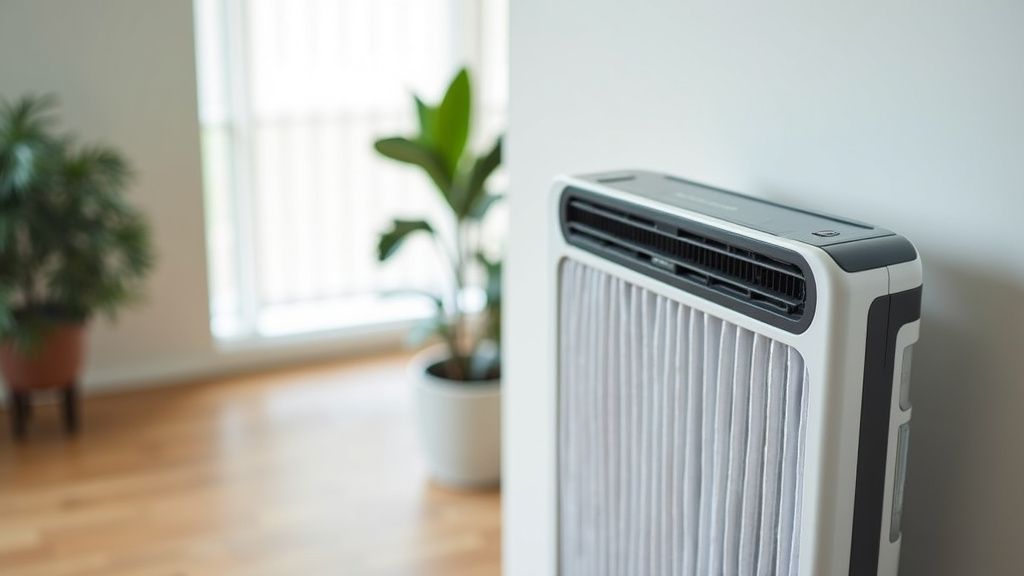
When to Consider an Air Purifier with a Pre-Filter
You might be wondering if a pre-filter is a feature you truly need. Based on our research, certain household conditions make it a highly beneficial, if not essential, component.
Pet Owners Rejoice
If you share your home with furry friends, a pre-filter is practically a must-have. Pet hair is notorious for clogging air purifier filters quickly. A good pre-filter will trap the majority of this hair, preventing it from overwhelming your other filters. This means your air purifier can do a better job of capturing pet dander and odors, and you’ll save money on frequent HEPA filter replacements.
Allergy Sufferers
For individuals who suffer from allergies, clean air is a priority. While HEPA filters are key for trapping allergens like pollen and mold spores, a pre-filter helps maintain the HEPA filter’s efficiency. It ensures that more of the smaller allergen particles make it to the HEPA filter for capture, rather than being blocked by larger debris.
High-Dust Environments
Some homes are simply dustier than others, whether due to location, construction, or regular activities. If you notice dust accumulating quickly on surfaces, your air purifier’s pre-filter will work overtime. Keeping it clean will help your unit maintain optimal performance in these conditions.
Maximizing Your Investment
Air purifiers are an investment in your home’s air quality. A pre-filter helps protect that investment. By extending the life of your more expensive HEPA and carbon filters, you reduce the frequency of replacements. This can lead to noticeable cost savings over the lifespan of your air purifier. We found that users who consistently maintain their pre-filters report lower overall filter replacement costs.
In summary, if you have pets, struggle with allergies, live in a dusty environment, or simply want to get the most out of your air purifier, a model with a pre-filter is a wise choice. It’s a simple feature that offers significant benefits.
Quick Pre-Filter Maintenance Checklist
To ensure your air purifier is always working its best, here’s a handy checklist to keep your pre-filter in top shape:
- Check monthly: Make it a habit to inspect your pre-filter once a month.
- Visible debris?: If you see a significant layer of dust or hair, clean it sooner than the monthly check.
- Vacuum first: Always try vacuuming the pre-filter as a first cleaning step.
- Wash if needed: Only wash if your manual indicates it’s washable, and always ensure it’s fully dry.
- Replace when worn: Even washable pre-filters can wear out. If it looks damaged or no longer cleans well, it might be time for a replacement.
Conclusion
You’ve learned that a pre-filter is your air purifier’s essential first step. It acts as a barrier, catching larger particles like pet hair and dust before they can clog your main filters. This protection means your HEPA and carbon filters can work more effectively, capturing smaller contaminants and odors. Consistently cleaning your pre-filter is a simple habit that boosts your air purifier’s overall performance and can even save you money on replacements. By understanding its role, you can ensure your air purifier keeps your home’s air cleaner for longer. Make checking and cleaning your pre-filter a regular part of your home maintenance routine.
Frequently Asked Questions
How do I know if my air purifier has a pre-filter?
Most air purifiers designed for general home use will have a pre-filter. You can usually find it by removing the main filter. It’s often the outermost layer, visible when you open the unit. Check your air purifier’s manual if you’re unsure.
Can I use my air purifier without a pre-filter?
While you might be able to operate your air purifier without a pre-filter, it’s not recommended. The pre-filter protects the more sensitive and expensive filters inside. Running your unit without it will cause those filters to clog much faster, reducing their effectiveness and lifespan.
Are all pre-filters washable?
No, not all pre-filters are washable. Some are made of mesh that can be rinsed, while others might be made of a different material that requires vacuuming only. Always consult your air purifier’s user manual to confirm if your specific pre-filter is designed to be washed.
How often should I replace a pre-filter if it’s washable?
Even washable pre-filters can degrade over time. While they don’t have a set replacement schedule like HEPA filters, you should replace a washable pre-filter if you notice it’s becoming damaged, thinning, or is no longer effectively trapping debris after cleaning. This might be every 1-3 years, depending on use.
Will a pre-filter make my air purifier louder?
A clean pre-filter should not significantly impact the noise level of your air purifier. However, a dirty and clogged pre-filter can restrict airflow, causing the unit’s fan to work harder. This increased effort can sometimes lead to a slightly louder operation.