When to Use a Warm Mist Humidifier
Use a warm mist humidifier when you want added moisture in a room and prefer heated mist, especially in a space without a burn risk to children or pets. Keep it on a stable surface, clean it as directed, and monitor indoor humidity.
On this page (9 sections)
- When should you use a warm mist humidifier?
- What is a warm mist humidifier, and what is it good for?
- When is a warm mist humidifier a poor fit?
- How do you choose between warm mist and cool mist?
- How should you place and maintain one?
- Which products help with humidity choices?
- How can you tell whether your room needs more moisture?
- When should you choose a different humidifier?
- How do you decide when to use a warm mist humidifier?
Use a warm mist humidifier when you want added moisture in a room and prefer heated mist, and you can place the unit where hot water and steam won't create a burn risk. It can suit a dry-feeling room, but it doesn't clean the air or treat an illness.
A warm mist unit heats water before releasing moisture. That makes placement, cleaning, and humidity control part of deciding whether it suits your home.
When should you use a warm mist humidifier?
Use one when indoor air feels dry and you want to add moisture to a room with a heated mist. The room should have a stable, out-of-reach place for the unit, away from children, pets, and anything that could be damaged by moisture.
It may fit a bedroom or living area where adults can keep the unit secure and follow its care instructions. If you need to humidify a larger area, check the room coverage and operating instructions for the specific model.
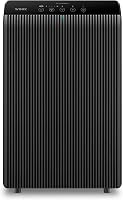
Warm mist humidifiers don't remove particles or odors from the air. If your main goal is air cleaning, choose an air purifier for that job and consider humidity as a separate comfort issue.
What is a warm mist humidifier, and what is it good for?
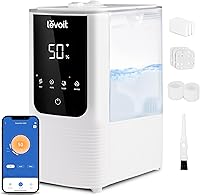
A warm mist humidifier heats water and releases moisture into the air. People choose this type when they prefer warm rather than cool mist in a room that feels dry.
The heating process means the water and unit can become hot. Keep it on a level, stable surface where it cannot be bumped, and don't put it where someone could reach over it or trip on its cord.
A humidifier can add moisture, but it can't promise relief from a cough, cold, allergies, or another health concern. Follow the unit's manual and ask a health professional about ongoing symptoms.
Can warm mist replace an air purifier?
No. A warm mist humidifier adds water vapor, while an air purifier is designed to filter airborne particles.
One appliance can't be assumed to do both jobs.
If dust, smoke, or other particles are your concern, look at an air purifier guide only for humidifier choices; choose an air-cleaning guide for particle removal. Keep the two needs separate when choosing equipment.
When is a warm mist humidifier a poor fit?
Skip or reconsider warm mist if children or pets could touch, tip, or pull the unit. Heated water and surfaces add a burn hazard, so choose a location they cannot reach or consider a cool mist model.
It can also be a poor choice if you can't clean it as often as its instructions require. Standing water and neglected humidifier parts can become dirty, so maintenance matters regardless of mist type.
Avoid adding moisture when the room is already damp. Condensation on windows or walls is a sign to reduce use and address the moisture source instead.
How do you choose between warm mist and cool mist?
Choose warm mist if you prefer heated mist and can manage its heat and placement safely. Choose cool mist if avoiding a heating element matters more, while recognizing that cool mist units still need careful cleaning.
For the differences, compare cool mist humidifiers and vaporizers.
Compare the strengths and tradeoffs in our cool mist vs warm mist humidifier guide. For model options, see the best warm mist humidifier guide.
A small room may call for a compact unit rather than a large one. Browse best small warm mist humidifier options if space is limited.
How should you place and maintain one?
Place the humidifier on a firm, level surface, following the clearance and placement directions in its manual. Keep it away from edges, bedding, electronics, and places where people walk.
Empty and clean the unit as often as the instructions require. Don't let water sit longer than recommended, and use only the cleaning method and water type the manufacturer allows.
Check for moisture on nearby surfaces as you use it. If windows fog or walls feel damp, lower the output or stop and ventilate the room.
For a Vicks model, read how to use a Vicks warm mist humidifier for model-specific setup and care. If you're comparing that brand, see best Vicks warm mist humidifier options.
Which products help with humidity choices?
These products address different humidity needs: room moisture, whole-home humidification, or excess dampness in a small enclosed space. They aren't substitutes for one another, so match the item to the space and the problem.
A whole-house unit works through a home's HVAC system and needs installation and ongoing maintenance. A portable warm mist model is a room-level appliance with heated water, so its safety and cleaning needs differ.
AprilAire says its Model 600M is designed for homes up to 5,000 square feet in tightly built homes. It uses a furnace system to move air through a water panel, so it isn't a portable warm mist humidifier.
This pad fits specified Honeywell Home whole-house humidifier models, including HE200, HE250, and HE260. Check your humidifier's model number before choosing a replacement.
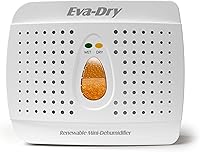
If a small enclosed space is damp rather than dry, a moisture absorber may be more relevant than adding humidity. The Eva-Dry unit is cordless and rechargeable, and is intended for spaces such as closets and cabinets.
Its stated use area is up to 333 cubic feet, so don't treat it as a room dehumidifier. Recharge it according to its instructions when its moisture indicator signals that it's time.
How can you tell whether your room needs more moisture?
Look for signs of excess dryness, but don't rely on feel alone if you can measure humidity. A humidity monitor can help you decide whether to run a humidifier and when to stop.
Don't aim to make the room feel steamy. Too much humidity can leave condensation on cold surfaces and support mold growth, so reduce output if you see dampness.
If your home already has a whole-house system, use its controls and maintenance schedule before adding another humidifier. A Honeywell pad replacement applies only to compatible Honeywell models; confirm the appliance model before buying any replacement part.
When should you choose a different humidifier?
Choose a different type if heated water is hard to keep out of reach, or if you prefer not to manage a hot appliance. Compare the room size, cleaning routine, and safety concerns before choosing a model.
A room humidifier also may not suit a whole-home need. For a larger space, compare a whole-house option such as the AprilAire 600M humidifier with the requirements of your HVAC system.
How do you decide when to use a warm mist humidifier?
Use a warm mist humidifier when a room feels dry, you want heated mist, and you can keep the unit safely placed and clean. Choose cool mist if avoiding heat is a priority, and use no humidifier when the room is already damp.
For one-room use, compare warm mist models by room fit and care requirements. For Vicks-specific steps, see how to use a Vicks warm mist humidifier.
Frequently asked questions
What is a warm mist humidifier?
A warm mist humidifier heats water to release moisture into room air. The heat can make the mist feel warm, but it also creates hot water and burn risks.
Follow the unit’s instructions for placement, cleaning, and use, and keep it away from children and pets.
What is a warm mist humidifier good for?
A warm mist humidifier adds moisture to indoor air when the room feels dry and you want a heated mist. It doesn't clean the air or remove dust, and using one doesn't guarantee relief from a health problem.
Monitor room humidity and clean the unit as instructed.
Is warm mist better than cool mist?
Neither type is best for every home. Warm mist heats water and can pose a burn risk, while cool mist avoids a heating element but still needs regular cleaning.
Compare the room, household safety, and care needs in the cool mist vs warm mist humidifier guide.
Can you use a warm mist humidifier around children or pets?
Use extra caution because warm mist units contain heated water and can cause burns if tipped or touched. Keep the humidifier on a stable, out-of-reach surface, and follow the manufacturer's safety instructions.
Choose another approach if you can't keep the unit away from children or pets.
How do you know when to stop using a humidifier?
Stop or turn down a humidifier if windows or walls become damp, or if the room feels clammy. Excess moisture can encourage mold growth.
Use a humidity monitor if needed, and follow public health guidance for a suitable indoor humidity range.