Air Purifier vs Ionizer: Which Should You Choose? (October 2026)
Choose a filter-based air purifier for particle removal you can match to a room; consider an ionizer for a compact, filterless option when its limits and ozone details are clear. The right choice depends on what you want removed and how you plan to use the device.
On this page (7 sections)
- Air Purifier vs Ionizer: Which Should You Choose?
- Air purifier vs ionizer: how do their cleaning methods differ?
- Which option is easier to compare for room coverage?
- Which is better for dust, pollen and pet dander?
- Which option needs more upkeep?
- Should ozone affect your choice?
- Which device fits your needs?
Air Purifier vs Ionizer: Which Should You Choose?
Choose a filter-based air purifier when you want airborne particles captured and a room-sized performance figure to compare. An ionizer may be a compact, filterless choice, but verify its cleaning performance and ozone emissions before you rely on it.
An air purifier vs ionizer comparison is mainly a choice between drawing air through a filter and using charged ions to affect particles. Those methods have different upkeep and evidence, so pick based on the pollutant and room rather than the device label.
A filter purifier can collect particles in its filter. An ionizer may make particles settle on surfaces or collect on a device plate, depending on its design.
The device's exact performance matters more than broad claims about either technology.


Air purifier vs ionizer: how do their cleaning methods differ?
A filter-based purifier traps particles in its filter, while an ionizer charges particles and can make them settle or collect. The second method may move particles out of the air, but they can remain in the room on nearby surfaces.
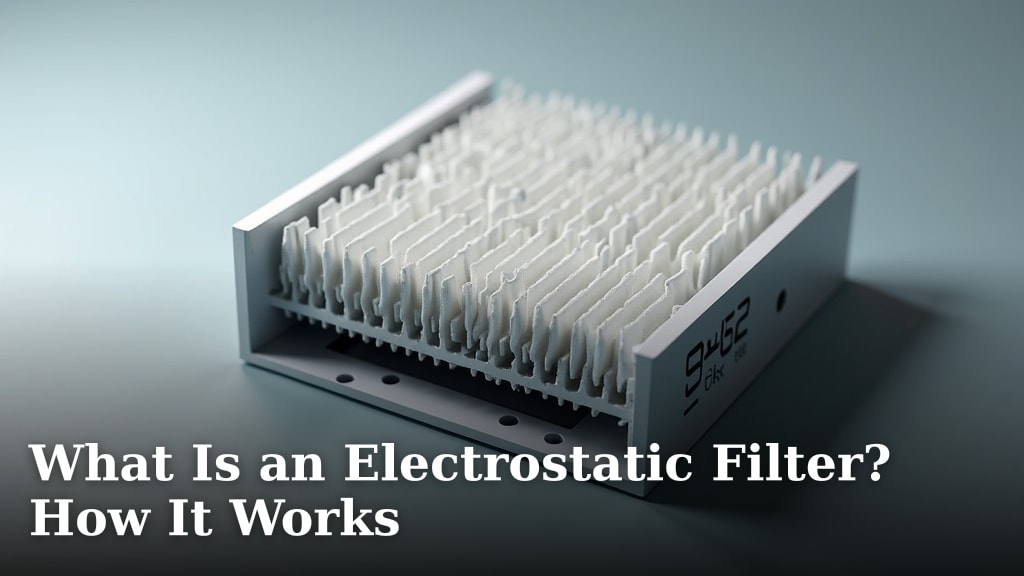
A purifier with a particle filter pulls room air through its intake and passes it through filter media. The used filter holds captured material until you replace it according to the manufacturer's guidance.
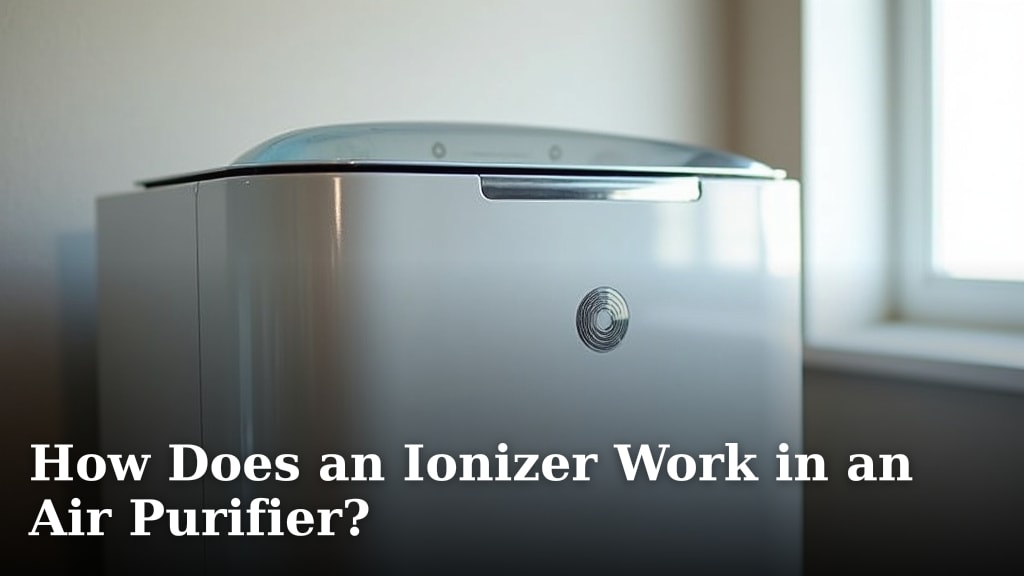
An ionizer releases charged ions into the air. Those ions can attach to particles, which may then clump or settle onto surfaces; some designs collect them on a plate instead.
That distinction affects cleanup. A settled particle can become airborne again when disturbed, while a particle trapped in a filter stays there until the filter is handled or changed.
What does an ionizer do to particles?
An ionizer changes the charge of airborne particles so they may gather or settle. It doesn't necessarily pull them into a replaceable filter, and its effectiveness depends on the model and the room.
Read what a negative ion air purifier is and how it works for a closer explanation of the terminology. The phrase “air purifier” on an ionizer doesn't by itself guarantee measured particle removal.
For a more detailed mechanism overview, see how an ionizer works in an air purifier. Keep the practical question in view: does the device have credible performance information for your room and concern?
Which option is easier to compare for room coverage?
A purifier with a published CADR gives you a concrete figure to compare with room size. For ionizers without a CADR or coverage figure, don't assume that a compact plug-in device will clean a full room at the same rate.
CADR, or Clean Air Delivery Rate, describes the volume of filtered air delivered for specific particles. Compare the rating with your room and intended use, then follow the manufacturer's coverage guidance.
The Levoit Core 300-P has a published smoke CADR of 143 CFM, with dust and pollen CADR figures of 153 and 167 CFM. Its stated coverage is 222 sq ft at 4.8 air changes per hour.
For a larger space, the Levoit Vital 200S-P has smoke, dust and pollen CADR figures of 250, 254 and 289 CFM, respectively. It is described for rooms up to 1,875 sq ft, but compare the intended air-change rate and your room layout before choosing by the largest coverage number alone.
The ShaoDelynxia plug-in ionizers are described as compact and filterless, but no CADR or room coverage figure is available here. Treat them as a separate convenience option, not as a measured replacement for a purifier sized to your room.
Which is better for dust, pollen and pet dander?
A filter-based purifier is the more direct fit when your goal is to capture dust, pollen or pet dander. Choose a model with particle filtration and room performance figures that suit the space where you will use it.
The Levoit Core 300-P is described as filtering fine airborne particulates, including pollen, dust and animal dander, with 99.97% filtration efficiency for 0.1 to 0.3 μm particles based on independent lab testing. Its filter is described as HEPA-grade while operating in Sleep Mode.
An ionizer may reduce some particles in the air by making them settle, but that doesn't mean they have been removed from the room. You may still need to clean surfaces, and the device's own data should support any particle-removal claim.
For larger rooms, compare CADR rather than assuming the same model works equally well in every space. An air purifier vs air cleaner comparison can also help clarify terms that manufacturers and shoppers use in different ways.
Which option needs more upkeep?
An ionizer designed without filters avoids filter replacement, while a filter purifier needs regular filter care. The trade is between replacement chores and having a filter that physically holds captured particles.
A filter purifier's ongoing tasks may include checking the filter indicator, replacing the filter and keeping the intake and outlet clear. Levoit recommends official replacement filters for the Core 300-P and says replacement timing is generally every 6 to 8 months.
The ShaoDelynxia ionizers are described as filterless, with no filter replacements. That can reduce one maintenance task, though surfaces may need more attention if charged particles settle in the room.
A filterless design doesn't mean maintenance-free performance. Follow the device instructions for cleaning and placement, and check what it collects or leaves on nearby surfaces.
Should ozone affect your choice?
Check ozone emissions before choosing an ionizer, because some air-cleaning devices can produce ozone. Ozone can irritate the lungs, so look for information for the exact model rather than relying on the general term “ionizer.”
Don't confuse an ionizer with an ozone generator. An ozone generator is intended to produce ozone, while ionizers use charged particles, though some ionizing devices may also emit ozone.
Read ozone generator vs air purifier for the distinction and the safety questions to consider.
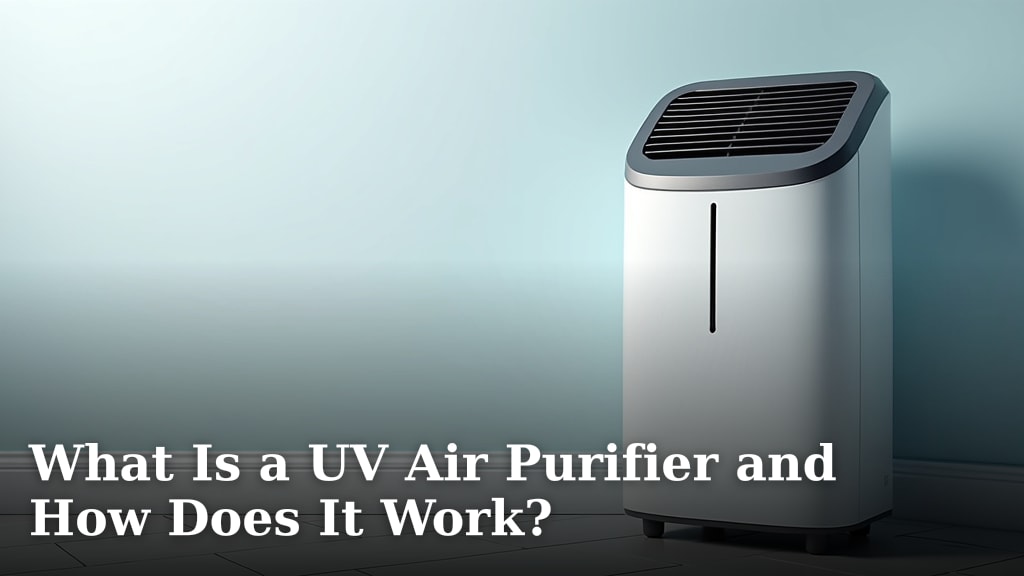
If you want another technology comparison, UV air purifiers and how they work explains how ultraviolet devices differ from particle filters and ionizers. UV features also don't replace checking the full unit's performance and safety information.
Which device fits your needs?
Choose a filter purifier for measurable particle capture; choose an ionizer only when its performance, ozone details and room fit are clear. Match the technology to the job, then compare upkeep and placement.
The Core 300-P is the more room-specific option among these picks, with published CADR and a stated 222 sq ft coverage at 4.8 air changes per hour. The Vital 200S-P is aimed at larger spaces and also has published CADR figures.
The two ShaoDelynxia 4-packs suit shoppers who value compact plug-in form and no filter replacements. The available information doesn't give a measured room-cleaning rate, so use them only when that uncertainty matches your needs.
If your concern includes particles carried in from a renovation or damaged material, an air ionizer isn't a substitute for safe cleanup practices. See how to choose a HEPA vacuum for asbestos for a separate tool choice and handling guidance.
Air purifier vs ionizer: which should you choose?
Pick a filter-based air purifier if you want particle filtration with room coverage and CADR figures you can compare. Pick an ionizer if its compact, filterless design matters more and you can verify its performance and ozone emissions for your exact space.
Think about what you want removed, how large the room is, and whether you'll keep up with filter replacement or surface cleaning. Those answers give you a more useful choice than the words “air purifier” or “ionizer” on a box.
Frequently asked questions
Is an air purifier better than an ionizer?
A filter-based air purifier is usually the clearer choice when you want to remove airborne particles, because you can compare filter details and CADR for the room. An ionizer may suit someone seeking a compact, filterless device, but check independent performance information and ozone emissions before choosing it.
Do ionizers remove dust from the air?
Ionizers charge particles so they can settle on nearby surfaces or collect on a plate, depending on the design. Settled dust hasn't left the room, so you may need to clean surfaces, and performance can vary.
Look for independent data that matches the device and room.
Can an ionizer produce ozone?
Some ionizing air cleaners can produce ozone, a lung irritant. Check the exact model's emissions information and any applicable certification before use, and avoid relying on broad claims such as “ozone free” without supporting details.
People with breathing concerns may prefer a filter-based cleaner.
Do air purifiers and ionizers need filters?
Many conventional air purifiers use replaceable filters, while some ionizers are designed to work without them. Filterless operation can reduce replacement chores, but it doesn't tell you how well a unit cleans a room.
Compare measured particle performance, ozone information and maintenance needs.
Can you use an ionizer and a HEPA purifier together?
You can use both only if each device's instructions allow it and the ionizer's emissions are acceptable for your space. A HEPA-style filter purifier and an ionizer work in different ways, so check room sizing and avoid assuming their effects add up to a known performance level.