What Is an Ozone Air Purifier?
An ozone air purifier is a device that releases ozone gas to react with odors and other compounds. It works differently from a filter-based purifier, and ozone generators should only run in unoccupied spaces.
On this page (7 sections)
- What is an ozone air purifier?
- How does ozone differ from filtration?
- Can you use an ozone generator around people or pets?
- Does ozone remove dust, pollen, or pet hair?
- What is the difference between an ozone generator and an air purifier?
- When might an ozone-producing device be considered?
- What should you remember about ozone air purifiers?
An ozone air purifier releases ozone gas to react with odors and other compounds in a treated space. To compare another air-cleaning approach, read air purifier vs ionizer.
It differs from a filter-based air purifier, which pulls air through a filter to capture particles.
Ozone generators have strict use limits: operate them only in unoccupied spaces, with people, pets, and plants removed. For routine air cleaning while a room is in use, look at filtration instead.
What is an ozone air purifier?
An ozone air purifier is a device that intentionally produces ozone, a reactive gas, rather than relying only on air passing through a filter. Some devices are sold as ozone generators or ozone air purifiers, but the key feature is ozone production.
Ozone reacts with odors in the air and on materials. That process does not mean the device captures dust or pollen like a particle filter, and it does not make ozone a suitable choice for occupied rooms.
The Enerzen Ozone Generator is described for deodorizing spaces such as cars, basements, kitchens, and areas affected by smoke or musty odors. Its instructions say to remove people, pets, and plants while it runs.
How does ozone differ from filtration?
Ozone reacts with compounds in a space; filtration captures particles as air passes through a filter. The methods address different needs and have different safety considerations.
A filter-based purifier can be a better fit for dust, pollen, and pet dander. For pet-focused options, compare the best air purifiers for pets.
For example, the Levoit Air Purifier for Home Pets Hair uses a 3-stage filter and is described for airborne particles including pollen, dust, and animal dander allergens.
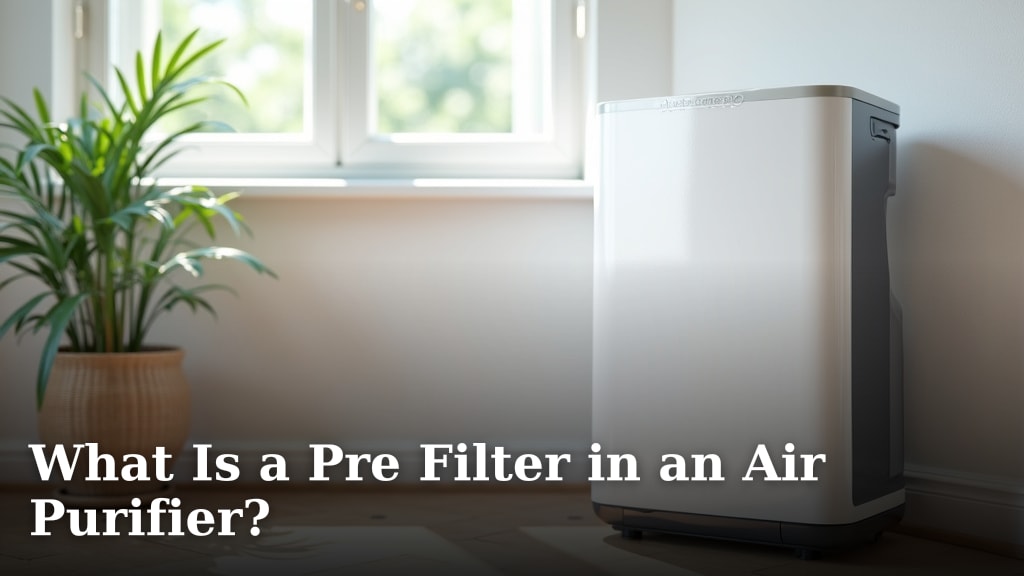
The Vital 200S-P is another filter-based option, with a washable pre-filter and an activated carbon filter included. Its listed filtration uses a 3-stage filter, so compare filter-based devices by their particle filtration, room needs, and maintenance.
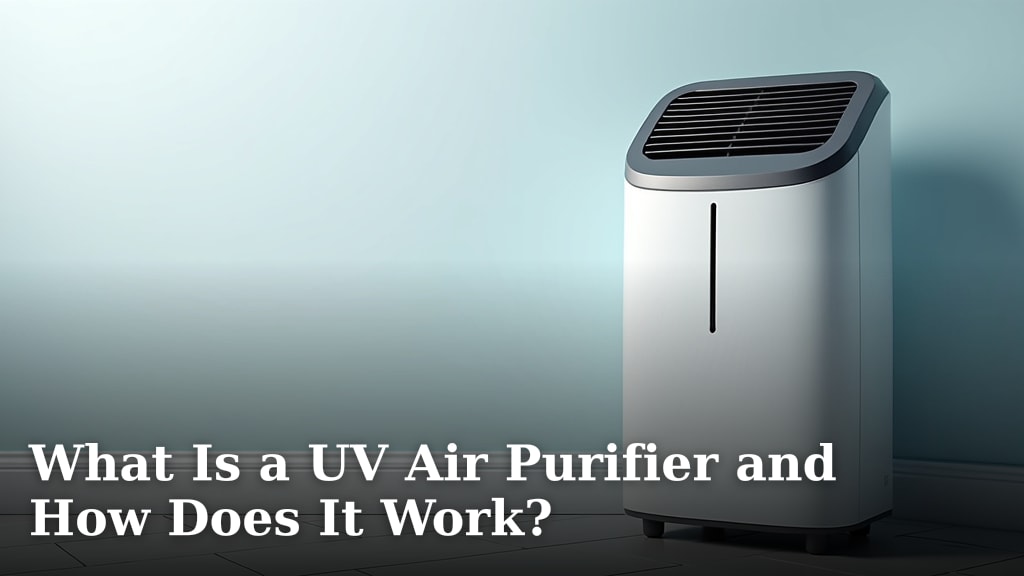
Ozone generation also differs from ionization and UV treatment. Learn what a negative ion air purifier does or compare how a UV air purifier works.
Can you use an ozone generator around people or pets?
No. Ozone generators are meant to run only in unoccupied spaces.
Remove people, pets, and plants before operating one, and follow its instructions for airing out the space before returning.
Ozone is not a scent or a harmless freshness signal. Don't use a generator in a bedroom, living room, or other area while anyone is present, and don't rely on an open window as a substitute for the device's directions.
The Enerzen instructions say to allow an additional 30 minutes after ozone generation ends for residual ozone to revert back to breathable air. Follow the specific device instructions, since operating and re-entry directions can vary.
Does ozone remove dust, pollen, or pet hair?
Ozone generation is not the same as capturing particles in a filter. If dust is your concern, see the best air purifiers for dust.
If dust, pollen, or pet hair is your concern, compare a purifier that draws air through a filter designed for particles.
A HEPA-grade filter claim applies to the filtration method, not ozone. The Levoit Core 300-P is described as having a HEPA-grade filter while operating in Sleep Mode, and its filtration is described for fine particles including pollen, dust, and animal dander allergens.
For larger rooms, the Vital 200S-P is described with a 3-stage filter and a washable pre-filter. Match the purifier to the room and the particle problem you want to address, rather than assuming ozone and filtration do the same job.
What is the difference between an ozone generator and an air purifier?
An ozone generator releases ozone into a space to react with odors, while a filter-based air purifier circulates air through filters. The right choice depends on whether you need odor treatment in an empty space or routine particle filtration.
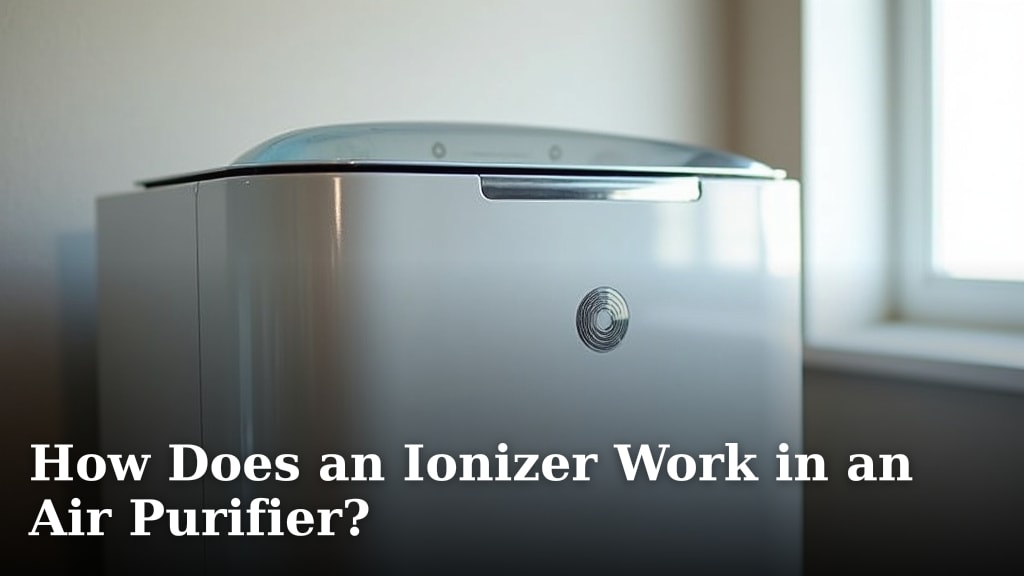
The ozone generator vs air purifier comparison explains the distinction in more detail. If you're comparing an ionizing purifier, see how an ionizer works in an air purifier.
Odors may also come from volatile organic compounds, or VOCs, which can be released by household products and materials. Read what VOCs in the air are and how a charcoal filter in an air purifier works before choosing a filtration approach.
When might an ozone-producing device be considered?
An ozone-producing device may be considered for odor treatment in an empty space, if its directions and local rules allow that use. It is not a general-purpose purifier for a home while people or pets are present.
The Enerzen is described for odors in cars, boats, kitchens, bathrooms, basements, and areas affected by flooding or fire. Those examples do not remove the need to clear the space and follow the operating and airing-out instructions.
For everyday room air, choose a suitable filter-based purifier and keep it operating as its instructions direct. Use ozone only for a specific empty-space treatment, with the device's safety steps followed closely.
What should you remember about ozone air purifiers?
An ozone air purifier produces ozone to react with odors, while a filter-based purifier captures particles as air moves through its filters. Keep that difference in mind when choosing a device for your home.
Choose ozone generation only for a permitted treatment in an unoccupied space, with people, pets, and plants removed. Choose filtration for routine particle removal around occupants, and compare the device's filter type and room guidance.
If you're deciding what is an ozone air purifier for your situation, start with the use case: empty-space odor treatment calls for strict ozone precautions; occupied-room air cleaning calls for filtration.
Frequently asked questions
What does an ozone air purifier do?
An ozone air purifier releases ozone gas, which reacts with odors and other compounds in the treated space. It does not clean by drawing air through a particle filter, so it works differently from a HEPA-style purifier.
Ozone generators are intended for unoccupied spaces; people, pets, and plants should be removed during operation.
Is an ozone generator the same as an air purifier?
No. An ozone generator releases ozone to react with odors in a space, while a filter-based air purifier draws air through filters that capture particles.
These methods address different problems and have different operating rules.
Use an ozone generator only in an empty space and follow its instructions before re-entry.
Can you run an ozone air purifier in a room with people?
No. Ozone generators are meant to run only in unoccupied spaces, with people, pets, and plants removed.
Follow the device instructions for airing out the room before re-entry, and don't assume that a short timer makes occupied use safe.
Choose a filtration purifier for routine use around people.
Do ozone air purifiers remove dust?
Ozone generation is not particle filtration, so it is not the right method for capturing dust, pollen, or pet dander from indoor air. A filter-based purifier moves air through a filter designed to trap particles.
Check the purifier's filtration claims and room coverage when comparing options.