Can You Use Water Treatments in a Cool Mist Humidifier?
Use a water treatment only if your humidifier manual allows that specific additive. Ultrasonic models can send dissolved minerals and additives into the air as mist, while evaporative models hold water in a wick or pad.
On this page (7 sections)
- Can you use water treatment in a cool mist humidifier?
- Why does the humidifier type matter?
- What should you check before adding a treatment?
- Does treatment replace regular cleaning?
- Can an evaporative whole-house humidifier use water treatment?
- What if the treatment instructions are unclear?
- How should you decide whether to use a treatment?
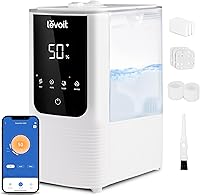
Use a water treatment only if your cool mist humidifier's manual allows that specific additive. Ultrasonic humidifiers can send minerals and dissolved substances into the air as mist, while evaporative models draw water through a wick or pad.
“Cool mist” describes the moisture output, not one single mechanism. Before adding a bacteriostatic product, scent, or other treatment, check the manual for your humidifier type and the treatment label for compatible models.
Can you use water treatment in a cool mist humidifier?
Sometimes, but only when the humidifier and treatment instructions agree. A treatment designed for one type of humidifier may not be suitable for another, even if both produce cool mist.
Check where the treatment is meant to go. Some products are made for the water tank, while others are placed in a specific tray or reservoir; putting one in the wrong part may affect operation or expose materials to something they weren't designed to handle.
If the manual says to use only water, follow that direction. Don't assume that a product is safe because it is labeled for humidifiers in general.
For an overview of humidifier types and features, start with our humidifier buying guide. If you're comparing additives, see our guide to best humidifier water treatment.
Why does the humidifier type matter?
Ultrasonic and evaporative humidifiers handle water differently, so they can carry different risks from additives. Identify the mechanism before choosing a treatment.
Can ultrasonic humidifiers disperse additives into the air?
Yes, an ultrasonic humidifier can disperse dissolved substances along with its water mist. Minerals in hard water can leave white dust on nearby surfaces, and additives may also be carried into the room.
That is why an ultrasonic model's manual matters. Use only water types and treatments it approves, and avoid adding substances simply because they dissolve or smell pleasant.
Learn more about selecting an ultrasonic humidifier water treatment. For mineral dust concerns, check whether the manufacturer recommends distilled or demineralized water.
Do evaporative humidifiers work differently?
Yes, an evaporative humidifier draws water through a wick or pad and moves air across the damp material. The moisture evaporates into the air rather than being released as a visible mist from an ultrasonic plate.
This difference doesn't make every additive compatible. Treatments can still affect the tank, wick, pad, or other parts, so follow both sets of instructions.
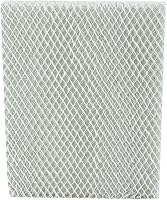
A replacement pad can matter more than a chemical treatment if the manual calls for routine changes. The Honeywell Home HC26P paper humidifier pad fits specified Honeywell Home models and is intended to distribute moisture through those systems.
Check your model number before buying a pad. The HC26P is compatible with Honeywell Home HE200, HE250, HE260, HE265, HE280, HE300, HE360, and HE365 humidifiers.
What should you check before adding a treatment?
Check the humidifier manual, treatment label, and placement instructions before use. For a warm mist model, follow the Vicks warm mist humidifier instructions.
If any instruction conflicts or leaves compatibility unclear, don't add the treatment.
Look for these details:
- Whether the humidifier is ultrasonic or evaporative.
- Which water types the manual permits.
- Whether a treatment is allowed, and where it belongs.
- Whether the treatment label names your humidifier type or model.
- Any cleaning or replacement steps required after use.
Don't put oils, cleaners, disinfectants, or fragrance into the tank unless the manual specifically permits them. A pleasant smell isn't evidence that a substance is safe to humidify.
If you want to compare products made for preventing buildup or odor, read our guide to best humidifier bacteriostatic treatment. Follow its instructions alongside the humidifier manual.
Does treatment replace regular cleaning?
No, a water treatment doesn't replace emptying, drying, or cleaning the humidifier as directed. Follow the schedule in the manual, since residue and standing water can remain even when you use an approved additive.
Unplug the unit before cleaning, and use only the cleaners and methods its maker allows. Rinse as directed and let parts dry before reassembly.
Cleaning accessories may help with access to a tank or narrow areas, but they don't change the cleaning requirements. See our guide to best humidifier cleaning fish if you need a tool for a compatible model.
Can an evaporative whole-house humidifier use water treatment?
Follow the whole-house humidifier's instructions for water, maintenance, and replacement parts. Its water panel or pad is part of the evaporation system, so an unapproved additive could leave residue on components.
The AprilAire 600M is a manual whole-house evaporative humidifier for homes up to 5,000 sq ft in tightly built homes. It uses a water panel and moves furnace air through it, where natural evaporation turns water into vapor.
For a compatible Honeywell Home whole-house humidifier, the HC26P pad is a replacement part for the listed models. Change it according to the humidifier instructions.
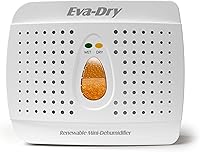
If a room is already too damp, adding more moisture may not suit the space. The Eva-Dry Wireless Mini Dehumidifier is a cordless moisture absorber for small spaces such as closets, cabinets, and cars.
For a room unit, the filling steps can vary by model. See how to fill a Honeywell humidifier and follow the instructions for your exact unit.
What if the treatment instructions are unclear?
Use plain water and clean the humidifier according to its manual until you can confirm compatibility. Don't guess based on the words “cool mist” or “humidifier safe.”
Contact the humidifier maker or treatment maker with the model number and product name if the instructions don't answer your question. Ask whether the additive is approved for the tank, the specific humidifier mechanism, and the materials inside the unit.
If you are still choosing a type, compare a cool mist vaporizer vs humidifier to understand how each works. For a bedroom, our best quiet humidifier for bedroom guide can help narrow the options.
How should you decide whether to use a treatment?
Use an additive only when both the humidifier manual and treatment label allow it for your model and placement. With an ultrasonic unit, be especially careful about substances that could travel with the mist.
Choose an approved treatment if its purpose matches your need and the instructions are clear. Choose plain water and routine cleaning when compatibility is uncertain, and replace a wick or pad when the manual says it's due.
Frequently asked questions
Can you put bacteriostatic treatment in a cool mist humidifier?
Only if the humidifier manual and the treatment label both say they're compatible. Some products are made for specific humidifier types or tanks, and ultrasonic units can send dissolved substances into the air.
If either set of instructions is unclear, use plain water and clean the unit as directed.
Can you use essential oils in a cool mist humidifier?
Use essential oils only in a model with a separate tray or a manual that specifically permits them. Oils can damage parts or leave residue in a water tank that isn't designed for them.
A diffuser is a better choice when the humidifier instructions don't allow oils.
Is distilled water better for an ultrasonic humidifier?
Distilled or demineralized water can reduce mineral dust from an ultrasonic humidifier, especially where tap water is hard. Check the manual for approved water types, since some models have specific requirements.
Changing water and cleaning the tank still matter even when you use distilled water.
Do evaporative humidifiers need water treatment?
Usually, the first step is to follow the manual's instructions for water, cleaning, and replacing the wick or pad. Evaporative units move air across a wet wick, but that doesn't make every additive safe.
Use a treatment only when both the humidifier maker and treatment label allow it.