Can a Young Living Diffuser Work as a Humidifier?
A Young Living diffuser can add a small amount of moisture, but it is not a replacement for a room humidifier. It is designed to disperse water and aroma, while a humidifier is built to raise room humidity.
On this page (9 sections)
- Does a Young Living diffuser work as a humidifier?
- How much moisture does a diffuser add?
- When is a Young Living diffuser enough?
- When should you buy a real humidifier?
- What should you use for one room?
- What works for whole-home humidity?
- What maintenance does a whole-house humidifier need?
- Can a diffuser and humidifier run in the same home?
- What is the best choice for humidifier young living searches?
A Young Living diffuser can add a small amount of moisture, but it is not a true replacement for a humidifier. The diffuser's main purpose is to disperse water and essential oil aroma, while a humidifier is designed to add enough moisture to affect indoor humidity.
The difference matters most during dry weather. If your goal is a pleasant scent, a diffuser may be enough.
If you want to raise the humidity in a bedroom, nursery, or larger living space, compare the room size, water capacity, output, and controls of a real humidifier.
Does a Young Living diffuser work as a humidifier?
A Young Living diffuser works as a small mist device, not as a full room humidifier. It may release water vapor while operating, but that does not mean it can maintain a target humidity level.
A diffuser is usually chosen for aroma and atmosphere. Its water reservoir supports that job, but the amount of moisture released may be too small to change a room meaningfully, especially in a large or very dry space.
It also may not include the controls you need for humidity management. A humidifier can be designed for longer operation, larger coverage, or adjustable humidity control.
You can read our guide to humidifier vs diffuser difference for a closer comparison.
How much moisture does a diffuser add?
The moisture from a diffuser depends on its model, reservoir, run time, and mist output. Without a measured output figure for your exact Young Living model, you should not treat it as a dependable source of room humidification.
A diffuser can make the air near the unit feel slightly more damp while it runs. That local effect is different from raising the relative humidity across an entire bedroom or living area.
Use a hygrometer if humidity matters to you. This gives you a reading before and after the diffuser runs, so you can see whether it changes the room enough for your purpose.
The U.S. Environmental Protection Agency's guide to indoor air quality and humidity explains why indoor moisture needs monitoring.
High humidity can also create conditions that support mold and other indoor air concerns.
When is a Young Living diffuser enough?
A diffuser may be enough when you want aroma and only a small amount of nearby mist. It can suit a desk, bedside table, or other small personal area where fragrance is the main goal.
Keep the unit on a stable, water-safe surface and follow its cleaning instructions. Essential oil residue can build up, so regular care matters even when you are not using the diffuser for humidity.
Don't place the diffuser next to electronics, books, untreated wood, or anything that could be damaged by moisture. A small mist stream should not be mistaken for room-wide humidity control.
Choose a diffuser if your main need is scented air. Choose a humidifier if dry air is the problem you are trying to solve.
Our humidifiers complete buying guide covers reservoir size, room coverage, controls, cleaning, and placement.
When should you buy a real humidifier?
Buy a real humidifier when you need measurable moisture over a larger area or for several hours at a time. A dedicated unit is easier to match to a room because its purpose is humidity control.
A portable humidifier may suit one bedroom or office. A whole-house humidifier is a different category that connects to a home's heating and air system, so it requires more planning and installation.
For a small room, compare the unit's stated coverage and operating details. For a home with several dry rooms, look at whole-house systems rather than expecting one diffuser to spread moisture through the building.
If you want aroma and moisture together, see our guide to the best humidifier with essential oil diffuser. Check the manufacturer's instructions before adding oils to any humidifier, since some models are not designed for them.
Is a dehumidifier useful for the opposite problem?
A dehumidifier helps when indoor air is too damp, not when it is dry. It removes moisture, so it solves the opposite humidity problem from a diffuser or humidifier.
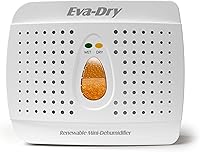
The Eva-Dry Wireless Mini Dehumidifier is designed for small areas up to 333 cubic feet. It has a 6-ounce capacity, uses a renewable silica gel solution, and can hang from its included hook or sit in a small space.
Choose it when excess moisture is the issue in a compact space. Its purpose is not to add humidity, so it is the wrong direction for dry winter air.
The unit is 6.25 in deep, 1.25 in wide, and 4.75 in high, with a white plastic body and a 6-ounce tank volume. Its compact design suits readers who need moisture removal without a cord or battery.
What should you use for one room?
Use a portable humidifier for one room when the diffuser does not raise humidity enough. Match the humidifier to the room rather than choosing by appearance or aroma features alone.
Look for a water capacity and operating pattern that fit your schedule. Place the unit where mist can disperse safely, keep the surrounding area dry, and clean it as often as the instructions require.
A diffuser can remain useful beside a humidifier if fragrance is important to you. Run the devices for separate purposes and monitor the room so you do not add more moisture than needed.
Our guide to best small humidifier diffuser can help if you want a compact device that combines both functions. Measure your available space before choosing one.
What works for whole-home humidity?
A whole-house humidifier is the better fit when several rooms need moisture through the home's HVAC system. These systems are larger, more involved, and different from a tabletop diffuser.
The AprilAire 600M Whole-House Humidifier is a manual high-output furnace humidifier for homes up to 5,000 square feet in tightly built homes. It has a stated capacity of 17 gallons per day and includes a humidistat, water panel, transformer, sensor, valve, and instructions.
The 600M uses a manual control with a built-in sensor to monitor indoor relative humidity. Its white plastic body measures 10.25 in deep, 15.38 in wide, and 15.75 in high.
This type of system suits homeowners planning HVAC installation rather than renters seeking a quick bedside solution. Follow the installation instructions and confirm that the system fits your furnace setup before ordering.
What maintenance does a whole-house humidifier need?
Whole-house humidifiers need regular water-panel maintenance to keep moisture distribution working properly. A replacement pad is a maintenance item, not a diffuser accessory.
The Honeywell Home HC26P Whole House Humidifier Pad measures 10 x 13 x 1.5 in and uses paper in an evaporative humidifier system. It is compatible with Honeywell Home HE200, HE250, HE260, HE265, HE280, HE300, HE360, and HE365 models.
Honeywell Home recommends changing the pad twice a year to maximize humidifier effectiveness. Check your existing model before buying because this pad is tied to the compatible Honeywell Home systems named above.
The HC26P is useful when your whole-house humidifier already exists and needs scheduled maintenance. It does not operate by itself and cannot replace a diffuser or complete humidifier.
Can a diffuser and humidifier run in the same home?
A diffuser and humidifier can serve different purposes in the same home, but monitor humidity and follow both devices' instructions. One disperses aroma, while the other adds moisture at a level suited to the room.
Keep enough space around each device for safe airflow and cleaning. Avoid placing them where mist can settle on walls, furniture, cords, or electronics.
Do not assume that more mist is better. If windows collect condensation or the room feels damp, reduce operation and check the humidity reading.
For a decorative combined design, see our guide to the best jellyfish humidifier diffuser. These products can blend a diffuser-style appearance with humidifying, but the same care and humidity checks still apply.
What is the best choice for humidifier young living searches?
Choose a Young Living diffuser for aroma, a portable humidifier for one-room moisture, and a whole-house system for HVAC-wide coverage. The right choice depends on whether you want scent, humidity, or both.
Use the diffuser when the mist is a secondary effect. Choose a dedicated humidifier when you need to change room humidity, and use a hygrometer to confirm the result.
Pick the Eva-Dry unit only when you need to remove moisture from a small area. Pick the Honeywell Home pad for compatible whole-house humidifier maintenance, or the AprilAire 600M when a furnace-connected system matches your home and installation plans.
Frequently asked questions
Can a Young Living diffuser raise room humidity?
A Young Living diffuser can add some water vapor while it runs, but its main job is dispersing aroma. It usually does not provide the sustained moisture output, room coverage, or humidity control needed to correct dry indoor air.
Use a hygrometer to check your room instead of assuming the diffuser changed humidity enough.
How is a diffuser different from a humidifier?
A diffuser is made to disperse essential oils, while a humidifier is made to add moisture to indoor air. A diffuser usually has a smaller water reservoir and shorter operating purpose.
A humidifier may offer longer operation, greater coverage, and controls designed around a target humidity level.
Can you use a Young Living diffuser without essential oils?
A diffuser may run with water alone if its instructions allow it, but follow the specific care and operating guidance for your model. Removing essential oils does not turn the unit into a room humidifier.
The reservoir, output, and controls still determine how much moisture it can add.
What should you use for very dry air?
Use a humidifier sized for the room and monitor the result with a hygrometer. A whole-house system may suit homes that need moisture throughout several rooms, while a portable humidifier is more practical for one bedroom or living area.
Avoid adding moisture blindly because excess humidity can create other indoor air problems.