Humidifier vs Dehumidifier: Which Does Your Room Need? (November 2026)
Choose a humidifier when your room feels too dry, and choose a dehumidifier when damp air, condensation or musty odors are the problem. The right choice depends on the room's moisture level, not the appliance's size alone.
On this page (7 sections)
- Humidifier vs dehumidifier: which one does your room need?
- When should you choose a humidifier?
- When should you choose a dehumidifier?
- Dehumidifier or humidifier for a bedroom?
- What should you compare before buying?
- Can you run a humidifier and dehumidifier together?
- Which should you choose: humidifier or dehumidifier?
Choose a humidifier when your room is too dry, and choose a dehumidifier when the room is damp. The decision is about whether moisture needs to be added or removed.
A humidifier releases moisture into the air. A dehumidifier lowers moisture by collecting or absorbing it, so the wrong appliance can make the room less comfortable.
A humidity monitor is the clearest way to check the room before you buy. Condensation, musty odors and a clammy feel suggest excess moisture, while static and very dry air suggest the room may need added moisture.
Damp air can leave fabrics feeling heavy and make a room smell stale even when the temperature seems fine. Dry air can feel harsh and make a room feel cold and uncomfortable.
A monitor gives you a reading you can compare over a day or two instead of guessing from one moment. Place it where you sleep or spend time, not right next to a window or a heater.
That position gives a better sense of the room you actually live in. Check the room at different times if the weather changes, as morning damp and afternoon dry can be normal.
Think about where the moisture comes from in your home. Cooking, bathing, laundry and weather can push a room toward damp, while heating and winter air can pull it toward dry.
A humidifier will not fix a leak or poor ventilation. A dehumidifier will not fix dry air caused by heating, so the first step is to name the actual problem.
Once you know the direction, coverage becomes the next question. A unit made for a small closet will not handle a basement, and a large unit will be excessive in a cabinet.
Care also differs by appliance type. Humidifiers need regular tank cleaning and refilling, while dehumidifiers need emptying, drainage or recharging depending on the design.
Starting with measurement keeps the choice simple. Add moisture only when the room is dry, and remove it only when the room is damp.

 Best for large damp areas
AEOCKY 5500 Sq.Ft Energy Star Most Efficient
Humidifier vs dehumidifier: which one does your room need?
Pick the appliance that corrects the room's actual moisture problem. A humidifier belongs in a dry room, while a dehumidifier belongs in a damp room.
Look for water collecting on windows, damp-feeling fabrics or a musty smell when deciding whether to remove moisture. These signs can also point to leaks or poor ventilation, so the appliance should not replace repairs.
Dry air may feel uncomfortable around your nose, throat or skin. Those signs alone do not prove a humidity problem, but they can tell you to measure the room before adding water vapor.
For broader humidifier guidance, see our humidifier buying guide. It explains the main types and the room details that affect your choice.
How does a humidifier work?
A humidifier adds moisture to dry air. It is useful when the room needs more humidity, but the tank, base and mist path need regular care.
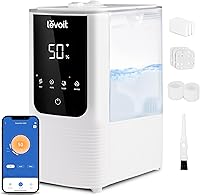
The Levoit Neo Classic 450 uses an ultrasonic operating mode and has a 4.2-liter tank. It covers a stated 432 square feet and can run for up to 42 hours in Sleep Mode.
The Levoit Classic 160 also uses ultrasonic operation. Its 2.5-liter tank is rated for up to 219 square feet and up to 25 hours on low.
A humidifier does not cool a room like an air conditioner. Our guide answers do air purifiers cool the room if you are comparing air movement with actual temperature control.
How does a dehumidifier work?
A dehumidifier removes moisture from damp air. The best format depends on how much water the room needs removed and whether the space is open or enclosed.
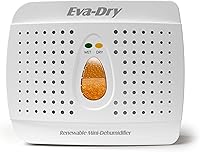
The Eva-Dry Wireless Mini Dehumidifier uses a renewable, rechargeable silica gel solution. It absorbs up to 6 oz and works in areas up to 333 cubic feet, making it a better fit for a closet, cabinet, car or other small space.
The AEOCKY RHEA-001 is a compressor dehumidifier rated for 5,500 square feet and 80 pints per day. Its 1.45-gallon tank and included drain hose support a larger basement or household moisture problem.
A small absorber cannot replace a high-capacity unit in a wet basement. A large compressor unit can also be excessive for a gun safe or closet.
When should you choose a humidifier?
Choose a humidifier when measurement and room conditions show that the air is too dry. Start with the smallest coverage and tank size that fit the space, then plan for cleaning and refilling.
The Levoit Classic 160 fits a smaller bedroom or nursery with its stated 219-square-foot coverage. Its top-fill tank, 360-degree nozzle and auto shut-off make daily operation easier when you need moisture overnight.
For a larger bedroom, living room or nursery, the Levoit Neo Classic 450 covers a stated 432 square feet. Its 4.2-liter tank can run for up to 42 hours in Sleep Mode, and its Sleep Mode noise level is 21dB.
The Neo Classic 450 has a detachable tray that is dishwasher-safe when placed on the top rack with mild detergent and no heated drying. The water tank and silencer cover are hand-wash only.
The Classic 160 has a large opening for cleaning and includes a cleaning brush and water filter sponge. Follow the care instructions for either unit, empty standing water and do not let routine cleaning slide.
If you need a simple filling routine, our guide explains how to fill a humidifier. If you are comparing steam with cool mist, read humidifier vs vaporizer before choosing.
When should you choose a dehumidifier?
Choose a dehumidifier when damp air, condensation or musty odors are the main concern. Match the unit to the room size and moisture load rather than choosing by the cabinet alone.
The Eva-Dry Wireless Mini Dehumidifier is made for small enclosed spaces. It has a cordless design, a hanging hook and a stated absorption capacity of up to 6 oz.
It lasts about 20 to 30 days before the silica gel beads need recharging, depending on conditions. The small format makes it easy to place where a power cord would be awkward.
For a basement or broad household area, the AEOCKY RHEA-001 offers a much higher stated capacity. It has an 80-pint-per-day dehumidification capacity, a 5,500-square-foot coverage claim and a drain hose for continuous drainage setup.
The AEOCKY has Auto Mode, Constant Humidity Mode, Continuous Mode, Smart Drying Mode and Sleep Mode. It also includes adjustable humidity control, fan speed control, a timer and child lock.
Its cabinet measures 14.45 x 8.66 x 24.09 inches. Measure the floor area, doorway and drainage route before choosing a large unit, and keep the required working space around it.
Dehumidifier or humidifier for a bedroom?
Use a humidifier in a dry bedroom and a dehumidifier in a damp bedroom. Bedroom size helps you choose coverage, but it does not tell you which direction the moisture needs to move.
The Classic 160 is rated for 219 square feet and runs at 25dB. It suits a smaller sleeping space when a 2.5-liter tank and auto shut-off meet your needs.
The Neo Classic 450 is rated for 432 square feet and has a 21dB Sleep Mode. Its larger 4.2-liter tank may reduce refill frequency, but it also needs consistent cleaning.
A damp bedroom may need the Eva-Dry in a small enclosed area, or a larger compressor unit if the issue affects a broad space. Do not use a humidifier just because the room feels uncomfortable if measurement shows high moisture.
For more bedroom-specific comparisons, see best humidifier for a small bedroom. For larger systems, our guide to the best whole house humidifier for a furnace covers a different installation approach.
What should you compare before buying?
Compare moisture direction first, then coverage, capacity, placement and care. A large tank is useful only if the room needs that much moisture added or removed.
For humidifiers, check the water tank, stated coverage, runtime and cleaning method. The 4.2-liter Levoit covers more space than the 2.5-liter model, while the smaller unit may be easier to place in a compact room.
For dehumidifiers, check the moisture-removal capacity and drainage plan. The Eva-Dry absorbs up to 6 oz for small enclosed spaces, while the AEOCKY is built around a stated 80-pint-per-day capacity and includes a drain hose.
Noise and placement also matter. The 21dB Neo Classic 450 and 25dB Classic 160 are bedroom-focused humidifiers, while the AEOCKY measures 44dB at its lowest fan speed according to its product data.
Do not place either appliance where spills, mist or airflow can damage electronics. Use a level, suitable surface, keep vents clear and follow the exact care and placement directions for the model.
If you want another brand-specific humidifier comparison, see best Honeywell humidifiers for home. For replacement care, our best AIRCARE humidifier filter replacement guide covers a different filter system.
Can you run a humidifier and dehumidifier together?
You can run both in one room, but doing so at the same time usually wastes energy and works against the goal. One appliance adds moisture while the other removes it.
Use a humidity monitor to decide which direction the room needs. If the room changes from damp to dry because of weather, heating or ventilation, adjust the appliance rather than leaving both on by default.
Different rooms can need different solutions. A damp basement may need the AEOCKY, while a dry bedroom upstairs may suit the Levoit Classic 160 or Neo Classic 450.
Fix leaks, improve suitable ventilation and address condensation sources when possible. Appliances control room moisture, but they do not repair building problems.
Running both at once can also make it harder to read the room. The monitor may sit in the middle while each appliance pulls in the opposite direction.
That struggle can waste electricity and leave neither side satisfied. It can also hide a simpler issue, such as a window that needs better sealing or a bathroom that needs more airflow.
A better routine is to pick one direction based on the current reading. Turn the other appliance off, give the room time to settle, and check again before switching.
Seasonal changes make this step worthwhile. Summer humidity, winter heating and spring storms can move the same room from damp to dry within a few weeks.
Placement matters when you separate the jobs. A dehumidifier in a basement and a humidifier in a bedroom can each fit the space where it sits.
Do not move a humidifier into a damp room to soften the feel of the air. Added moisture can make damp fabrics, odors and condensation worse.
Do not move a dehumidifier into a dry room to make it feel cooler. Removing moisture from already dry air can leave the room feeling harsher.
Keep each appliance on a level surface with clear space around it. Follow the cleaning and emptying schedule for the model you use, as a neglected tank or a full collection container will not give you a fair result.
If the room keeps swinging between damp and dry, look for the cause. Use the monitor as your guide rather than comfort alone, as comfort can lag behind the actual moisture level.
One appliance at a time is usually the clearest setup. It saves energy, protects the room from excess moisture and makes the next choice easier.
Which should you choose: humidifier or dehumidifier?
Pick a humidifier for dry air and a dehumidifier for damp air. Choose the Levoit Classic 160 for a smaller dry bedroom, the Neo Classic 450 for a larger dry room, the Eva-Dry for a small enclosed damp space and the AEOCKY for broad, heavy moisture removal.
The best humidifier vs dehumidifier choice starts with measurement. Once you know whether moisture needs to be added or removed, match the product's coverage, tank or absorption capacity, placement and care needs to the room.
For a smaller dry bedroom, the Classic 160 fits a stated 219 square feet with a 2.5-liter tank. Its top fill design, 360-degree nozzle and auto shut-off suit overnight use in a compact space.
For a larger dry room, the Neo Classic 450 covers a stated 432 square feet with a 4.2-liter tank. Its Sleep Mode runs at 21dB and can run for up to 42 hours, which may mean fewer refills.
For a small enclosed damp space, the Eva-Dry suits a closet, cabinet, car or similar area up to 333 cubic feet. Its cordless design and hanging hook make it easy to place where a cord would be awkward.
For a broad damp area, the AEOCKY is built for large household spaces with a stated 80 pints per day. Its 1.45-gallon tank and drain hose support continuous drainage in a basement or similar room.
Do not choose by size alone. A large dehumidifier will be excessive in a gun safe, and a small absorber will not handle a wet basement.
Check the setup before you buy. Measure the floor area, plan where the unit will sit and think about refilling, cleaning, recharging or drainage.
A humidity monitor helps you confirm the choice after setup. It shows whether the appliance is moving the room in the right direction over time.
Pick the unit that fits the moisture problem and the space you have. That match will serve the room better than a bigger or smaller appliance chosen by guesswork.
Frequently asked questions
Should I use a humidifier or dehumidifier?
Use a humidifier when the air is too dry and a dehumidifier when the room is damp. Condensation on windows, musty odors and a clammy feel point toward moisture removal, while dry skin, static and a parched-feeling room may point toward adding moisture.
A humidity monitor can help confirm the choice.
Can you use a humidifier and dehumidifier in the same room?
You can use both in the same room, but running them together works against itself. A humidifier adds moisture while a dehumidifier removes it, so use a humidity monitor and operate only the appliance that matches the room's current condition.
Separate rooms may need different solutions.
Is a dehumidifier better than a humidifier for mold?
A dehumidifier is the relevant choice when excess moisture is contributing to damp conditions, but it cannot repair existing mold or solve leaks. Find and fix the moisture source, improve ventilation where suitable, and follow local health guidance for cleanup.
A humidifier adds moisture and is not the right tool for a damp room.
What is the difference between a humidifier and dehumidifier?
A humidifier adds water vapor or mist to dry air, while a dehumidifier collects or absorbs moisture from damp air. The appliances solve opposite problems.
Choose by the room's moisture level, then match the appliance's coverage, capacity, placement and care needs to the space.