Ozone Generator vs Air Purifier: Which Should You Choose? (October 2026)
Choose a filter-based air purifier for rooms people or pets occupy; reserve ozone generators for unoccupied odor treatment. They work in different ways, so an ozone generator is not a substitute for everyday particle filtration.
On this page (6 sections)
Choose a filter-based air purifier for rooms people or pets occupy; use an ozone generator only to treat odors in a vacant space. An ozone generator vs air purifier comparison is mainly a choice between ozone-based odor treatment and filtration for airborne particles.
A filter-based purifier pulls air through filters that capture particles. An ozone generator releases ozone, which reacts with odor compounds; it doesn't clean air by drawing it through a filter.
That difference decides where each can be used. Ozone generators must run only in unoccupied spaces, while a filter-based purifier is the practical choice for an occupied bedroom or living area.

 Best for everyday particle filtration
Levoit Air Purifier for Home Pets Hair
Ozone generator vs air purifier: how do they work?
An ozone generator produces ozone for odor treatment; a filter-based air purifier captures airborne particles as air passes through its filters. They use different methods and aren't interchangeable.
Ozone can react with odors in the air and on surfaces. It doesn't function as a particle-catching filter, and the ozone itself is a reason to keep people, pets and plants out during treatment.
A conventional filter-based purifier uses a fan to move room air through its filter system. Depending on the filters, it can capture particles such as dust, pollen and animal dander; activated carbon may also help with some odors.
The term “air purifier” can describe different technologies. For example, a negative ion air purifier and how it works uses a different approach from a HEPA-style filter unit.
Does an ozone generator air purifier filter particles?
An ozone generator does not replace a particle filter. Its purpose is odor treatment, not capturing dust, pollen or dander as air passes through a filter.
Some products use phrases such as “ozone air purifier” or “air purifier generator ozone.” Read those labels carefully: the key question is whether the device filters air, generates ozone, or combines methods.
An ozone treatment also doesn't remove the source of an odor. Clean spills, fabrics or other odor sources first when practical, then follow the generator's operating and ventilation directions.
Which option is suitable for an occupied room?
A filter-based purifier is the suitable choice for ongoing use in an occupied room; ozone generators are for unoccupied spaces only. This safety distinction should come before room size or odor strength.
Ozone generator directions require people, pets and plants to leave before operation. You must also wait and air out or ventilate the space as instructed before returning.
The Enerzen unit calls for an additional 30 minutes of airing out after ozone generation finishes. The hadlook unit instructs users to ventilate for 30 to 60 minutes, so follow the specific directions for the unit you use.
For occupied spaces, choose a purifier with the filter type and capacity that fit the room. The air purifier vs ionizer comparison explains another common distinction between filter-based cleaning and devices that charge particles.
What does each option handle best?
Choose filtration for airborne particles during normal room use, and consider ozone only for odor treatment when the space can stay vacant. The right option depends on the problem and whether the room must remain occupied.
A filter-based purifier is a better fit for dust, pollen and pet dander that circulate through a room. A model's CADR and room guidance help you compare its stated cleaning capacity with the space.
Ozone generators are designed for odors that linger in enclosed areas such as cars, basements or kitchens. They don't provide continuous particle filtration, and the room must remain empty during treatment and until it's safe to return.
When is an ozone generator useful?
An ozone generator may suit a one-time odor treatment in a vacant, enclosed area, such as a car or a room affected by smoke. Remove people, pets and plants, address the odor source first when possible, then follow the unit's full instructions.
The guide to what an ozone air purifier is covers how ozone devices work and why their use differs from everyday filtration. Don't treat an ozone generator as a device to run in a room while you work or sleep.
When is a filter-based air purifier useful?
A filter-based purifier suits a room that people use throughout the day. It can keep moving air through its filters to capture particles, provided you select a suitable unit and maintain its filters.
The Levoit Core 300-P has a stated smoke CADR of 143 CFM and is rated for 222 ft² at 4.8 air changes per hour. Its filter is described as HEPA-grade while operating in Sleep Mode.
For a larger room, the LEVOIT Vital 200S-P has a stated smoke CADR of 250 CFM and coverage up to 1,875 ft². Compare the room guidance and CADR with your intended cleaning rate, rather than relying on floor area alone.
Can an air purifier remove odors without ozone?
Some filter-based purifiers can reduce certain odors with activated carbon, but they don't work the same way as an ozone generator. Check the filter design and the specific odor before choosing.
Carbon filters adsorb some gases and odor compounds as air passes through them. Learn what a charcoal filter in an air purifier does before deciding whether that method suits the odor you need to address.
Filter performance depends on the filter material, amount of carbon and airflow. A purifier that captures particles well may not be equally effective for every gas or strong odor.
A filter-based unit can be more appropriate for an occupied space because it doesn't intentionally generate ozone as its cleaning method. Still, review the unit's documentation and follow its use instructions.
How should you compare room size and upkeep?
Match a filter-based purifier's room guidance and CADR to your space, then plan for filter replacement. For an ozone generator, room size doesn't override the requirement to keep the space unoccupied.
The Core 300-P gives a room figure of 222 ft² at 4.8 air changes per hour and a larger 1,073 ft² figure at one air change per hour. Those rates differ, so consider how quickly you want room air cleaned.
The Vital 200S-P gives coverage up to 1,875 ft², plus smoke, dust and pollen CADR figures. Larger spaces and open layouts can affect how well a purifier serves the area, so use the model's guidance for your room.
Filter-based models need suitable replacement filters to keep working as intended. The Core 300-P recommends replacing its filter every 6 to 8 months; actual timing depends on use and conditions.
Ozone generators don't have particle filters to replace, but they have strict operating and re-entry directions. Read those instructions before use and don't shorten the ventilation period.
Ozone generator vs air purifier: what should you choose?
Choose a filter-based air purifier for everyday use in an occupied room, and choose an ozone generator only when you can treat a vacant space and follow its ventilation instructions. For particles, prioritize filtration; for persistent odors, first address the source and consider whether a vacant-space treatment is appropriate.
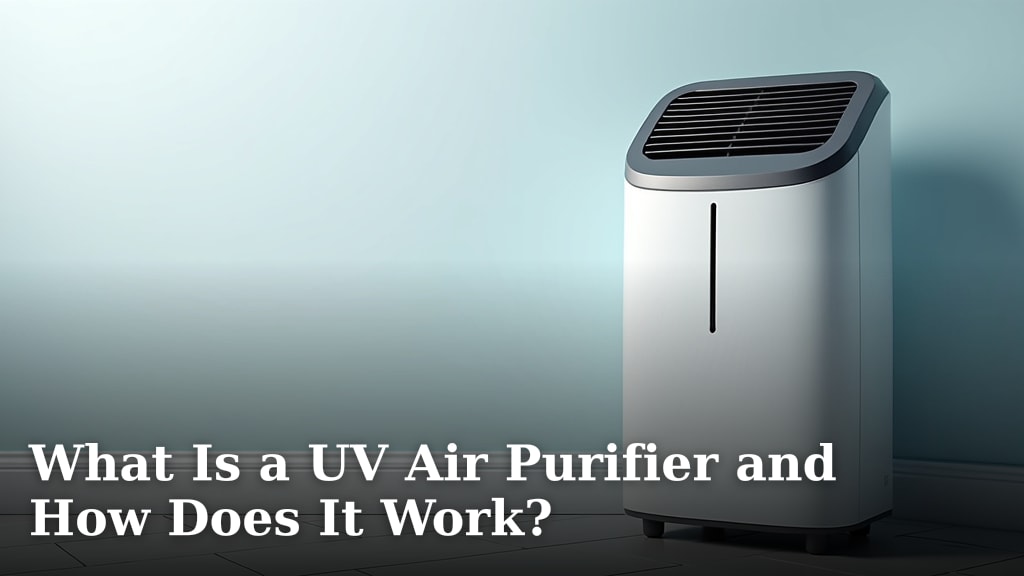
If you are comparing other room-cleaning technologies, see what a UV air purifier does. UV devices also differ from both filters and ozone generators, so check what a specific model is designed to do.
The decision rule is simple: choose a filter-based purifier for occupied rooms and particle control. Consider an ozone generator only for odor treatment in a vacant, enclosed space, with everyone kept away until the space has been aired out as directed.
Our score weighs specs and features against what you're shopping for.
Frequently asked questions
Can you run an ozone generator in an occupied room?
No. Ozone generators should be used only in unoccupied spaces, with people, pets and plants kept away during operation.
Follow the exact unit's directions for airing out or ventilating before anyone returns; the required time varies by product.
Does an air purifier remove odors like an ozone generator?
A filter-based purifier can capture particles and may reduce some odors when it has suitable activated carbon, but it works differently from ozone treatment. Check the filter type and intended contaminants for the exact model, and address the odor source where possible.
Is an ozone generator an air purifier?
Some products use both terms, but an ozone generator works by producing ozone for odor treatment, while a filter-based air purifier draws air through filters to capture particles. The shared label doesn't mean they do the same job or have the same occupancy rules.
Which should I choose for a bedroom?
Choose a filter-based air purifier for a bedroom in use, sized for the room and maintained with the correct replacement filter. Ozone generators are for unoccupied spaces only, so they aren't suitable for continuous treatment while you sleep.